
Key Takeaways
Sourcing the right components is crucial for long-term vehicle maintenance and performance. This guide outlines how to navigate the market to ensure you choose reliable pieces for your car.
- Understand the differences between OEM and aftermarket components.
- Leverage your vehicle identification number for precise searches.
- Verify dealer legitimacy when ordering components on the internet.
- Inspect used items carefully for wear before committing to a purchase.
- Maintain a set of basic tools for common maintenance tasks.
Understanding the different types of Volvo parts
Choosing the right component type involves balancing your budget against the performance and longevity you expect from your machine. Whether you are performing routine maintenance or a major repair, having clarity on these categories makes the selection process much smoother.
OEM vs. aftermarket options
The market for automotive components is split primarily between original equipment manufacturer (OEM) items and third-party aftermarket alternatives. While OEM items are built to the exact specifications of the original factory parts, aftermarket options are often produced by independent manufacturers who focus on compatibility and cost-effectiveness. The following table helps summarize the key differences often encountered when navigating these two paths.
| Feature | OEM Parts | Aftermarket Parts |
|---|---|---|
| Compatibility | Guaranteed match | Varies per brand |
| Price Range | Higher cost | More competitive |
| Availability | Dealership networks | Wide online retail |
Selecting between these often depends on how much you value specific brand standards versus overall savings for basic systems.
Remanufactured components defined
Remanufactured parts have been returned to the manufacturer, disassembled, and restored to current specifications. They provide a middle ground for those wanting the reliability of authentic components at a lower price point than brand-new units. Many shops prefer these because they are more environmentally sustainable than new manufacture while still offering the same operational performance level.
Identifying genuine Volvo performance parts
Performance components specifically engineered for enhanced output often feature unique markings or distinct design changes meant to handle increased stress. You must ensure that these components match your specific engine configuration to avoid potential damage or inefficient power delivery. It is always wise to verify the specific part number before confirming your purchase to avoid future confusion.
Benefits of choosing genuine Volvo parts
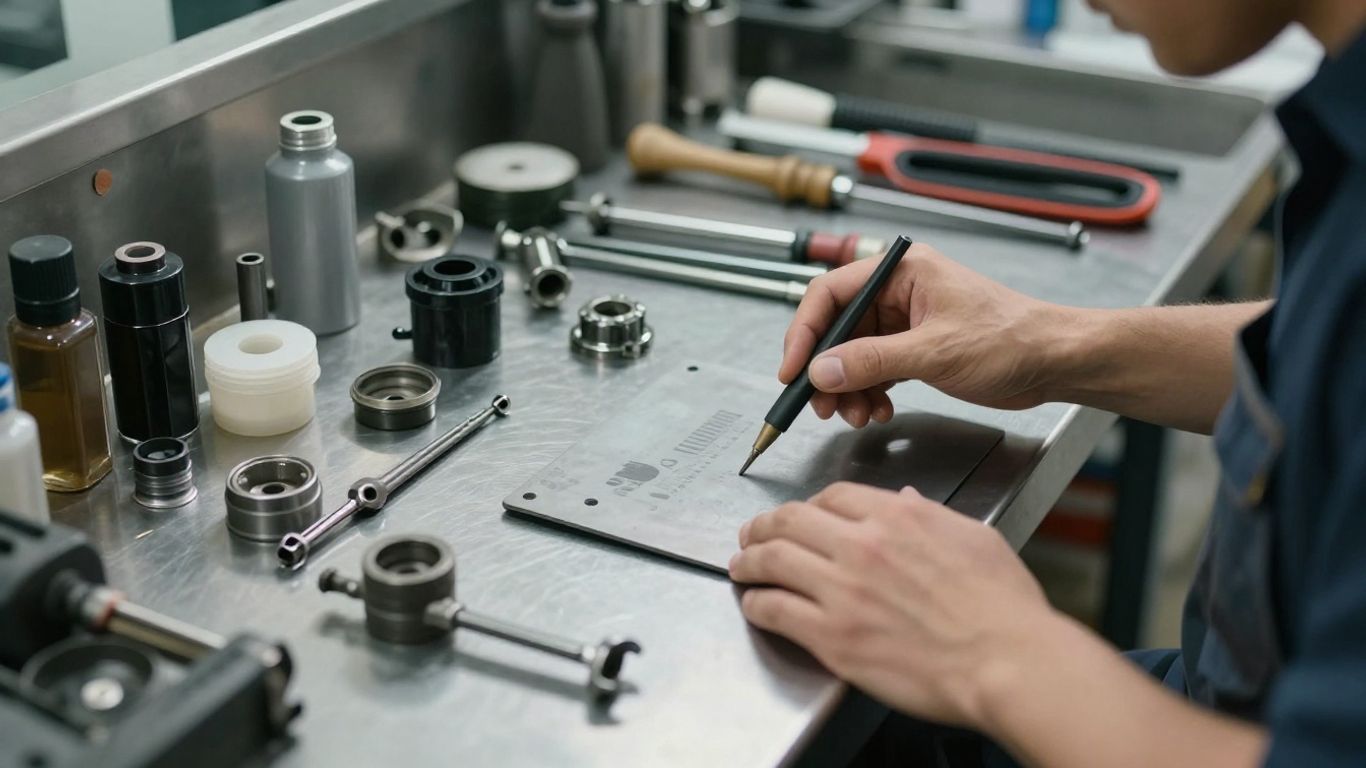
Investing in components strictly designed for your vehicle architecture helps preserve its operational integrity. These items are engineered with the same precision as the rest of the car, ensuring each piece works in harmony with existing systems.
Guaranteed compatibility and fitment
Genuine items alleviate the stress of trial-and-error installations because they are manufactured with exact tolerances in mind. You generally find that installing these components is straightforward, requiring no modifications or forced adjustments that might compromise the surrounding hardware. Getting your components from a specialized resource like Valentine Volvo helps ensure you receive the specific items designed for your individual trim and model package.
Warranty coverage and reliability
These components often come with the backing of a manufacturer warranty, providing a safety net if a part fails prematurely within the specified period. This coverage is essential for owners who want reliability and peace of mind without worrying about the costs associated with defective hardware. Beyond the warranty itself, the consistency in quality control means that you are less likely to encounter premature failure during the daily operation of your vehicle.
Impact on vehicle resale value
Maintaining your vehicle with high-quality components ensures that the entire system remains in prime condition for future buyers. Documentation showing that you utilized original parts can be a strong selling point when it comes time to trade in or sell your vehicle, as it proves that you did not cut corners during the ownership lifecycle.
How to identify the correct part for your Volvo model
Navigating the sea of available options requires a systematic approach to ensure the piece you order eventually matches what is under your hood. By mastering the search tools available to you, you can bypass the frustration of returning the wrong items later.
Using your vehicle identification number (VIN)
The VIN is the most accurate way to filter available components for your specific build. This unique sequence is encoded with information about your transmission, engine type, and production date, making it the primary key for any catalog search engine you use.
Navigating online parts catalogs and diagrams
Most modern warehouses provide digital diagrams that break down your vehicle into exploded views of its components. Following these diagrams is often easier than searching by text alone. Here are the steps for effectively utilizing these tools during your search:
- Input your exact VIN to populate available vehicle options.
- Locate the major assembly related to the repair you are undertaking.
- Compare the visual diagram against the physical part currently in your car.
- Confirm the compatibility notes listed for each specific component version.
Taking these steps allows you to visually match your needs with the stock requirements, reducing the likelihood of ordering incorrect equipment.
Reading part numbers and production codes
Every authentic component features a stamped or etched code that links it to specific manufacturing batches. Cross-referencing these codes against the catalog is the final verification step before completing your transaction. This practice ensures that even subtle design changes throughout a model year are correctly accounted for.
Tips for buying Volvo parts online
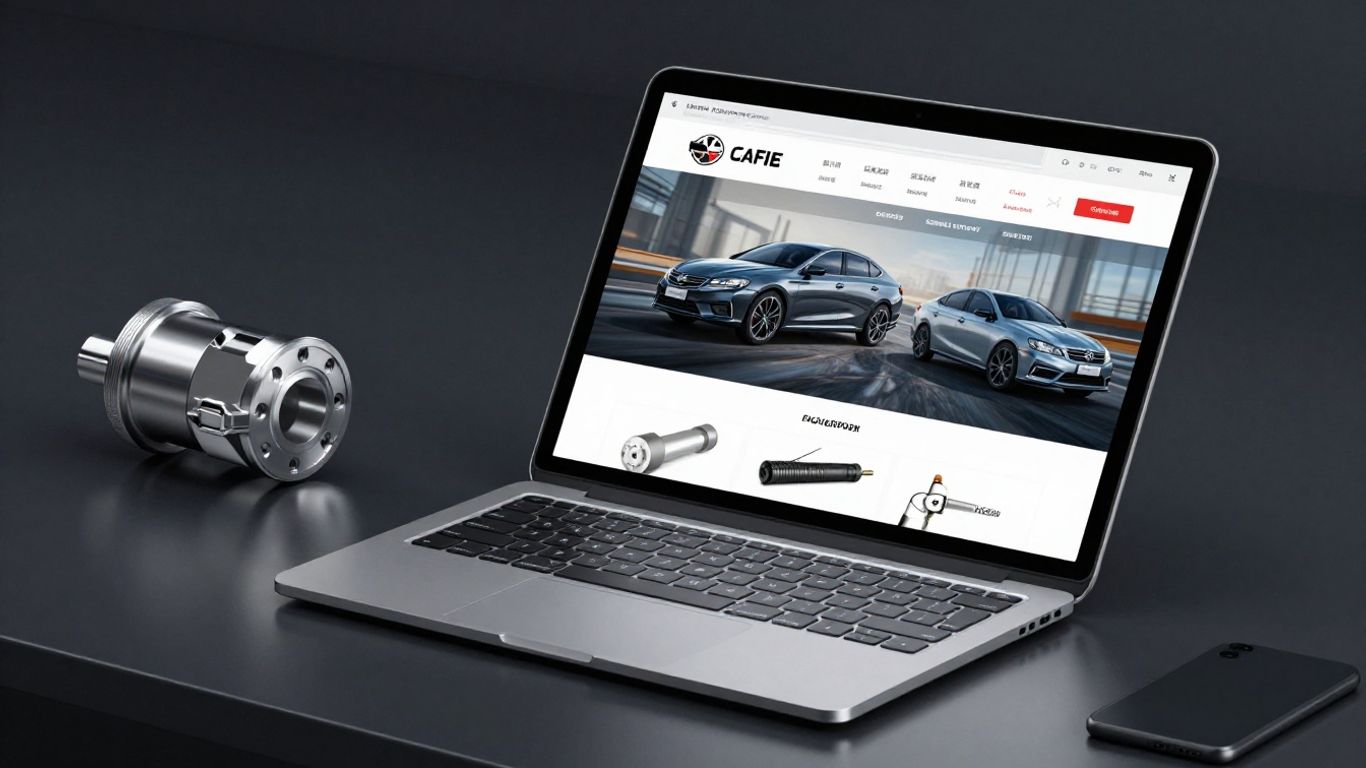
Buying online offers incredible convenience, but it requires a careful eye to ensure quality. Understanding which digital channels provide the most reliable service is the first part of a successful transaction.
Verifying authorized dealer websites
When shopping online, look for official portals connected to established dealership networks. Utilizing a platform like Volvo Trucks USA can provide direct access to verified inventory, ensuring that what you order is authentic and up to current manufacturing standards.
Evaluating shipping costs and return policies
Before finalizing any order, confirm the shipping time and the store’s policy on returns. Since some components are heavy or fragile, understanding who pays for return freight if the part does not fit is prudent. A fair policy demonstrates that the seller stands behind their goods and values customer satisfaction, which is essential for recurring maintenance tasks.
Avoiding counterfeit automotive components
Counterfeit items pose real risks to your engine, brake systems, and overall driving safety. Never purchase components that seem priced far lower than market standards, as these items often lack the rigorous safety testing required for legitimate automotive hardware. Stay cautious when prices look too good to be true.
When to consider used or salvage parts
Sometimes, finding new parts for older model years proves difficult or prohibitively expensive. In these instances, looking toward recycled options can be a smart, budget-friendly strategy for keeping your vehicle operational.
Assessing the condition of reclaimed parts
When you visit a yard or browse listings, you should examine any salvaged item for signs of excessive wear or corrosion. Always seek detailed photos or descriptions of the item’s history before buying, as some seals and electronic sensors degrade significantly over time. It is a good practice to Find genuine used Volvo parts from sources that specialize in thorough inspections and provide clear reporting on the state of their inventory.
Finding reputable salvage yards for Volvo models
Look for facilities that specialize in your specific make and model range, as staff at these locations will have superior knowledge regarding part interchangeability. Such specialized yards are more likely to have organized inventory systems that allow for faster, more accurate identification of salvageable items.
Parts suitable for reuse vs. safety-critical items
It is generally advisable to use recycled parts for interior trim, exterior panels, or non-moving decorative pieces while avoiding reclaimed components for any system that directly affects stop-and-go safety functions.
Critical items such as braking hardware, steering linkages, or sensitive internal timing components should ideally always be purchased as brand-new parts. Prioritizing safety over small cost savings ensures your vehicle remains reliable under harsh operating conditions.
Essential tools for installing Volvo parts at home
Conducting home repairs can be satisfying and informative, provided you possess the right equipment for the task. Without the correct tools, even a simple bolt replacement can become a frustrating ordeal.
Specialized diagnostic and scanning software
Modern vehicles are heavily reliant on electronic control modules that require specific scanners to read error codes accurately. A decent diagnostic tool that speaks the ‘language’ of your vehicle’s computer helps you isolate which sensors or actuators are truly failing.
Common hand tools required for basic repairs
Beyond specialized electronics, a high-quality set of professional hand tools is necessary for removing stuck bolts and reaching cramped engine bays. When working on your home environment, you might also find that items like the Signature Solitaire Collection of household maintenance tips for climate control can overlap with simple automotive cooling system checks.
Safety considerations for DIY automotive work
Never attempt repairs without proper support such as jack stands or a stable surface to keep your car secured. Keep your area clean and well-lit to prevent accidents, and ensure you have adequate ventilation, especially when handling fluids or working in a garage space. Prioritizing your physical safety during these tasks is just as important as protecting the longevity of your mechanical systems.
Conclusion
Sourcing high-quality components is an essential part of the vehicle ownership experience that directly influences how your car performs and holds up over the years. By carefully choosing between new and used options, utilizing proper identification tools like your VIN, and maintaining a robust set of repair equipment, you can ensure your vehicle reaches its full potential. Taking the time to research your parts will ultimately save you money and headaches while keeping your car on the road for many miles to come.
Frequently Asked Questions
Is it safe to use aftermarket parts for minor repairs?
Aftermarket components are often perfectly suitable for non-critical repairs, provided you purchase from a reputable provider who offers clear compatibility notes for your specific vehicle.
How often should I check part numbers before ordering?
You should verify the part number against your current component or a verified digital catalog every single time you search to prevent ordering legacy or incorrect model-year items.
Do I need special software for all repairs?
Specialized software is mostly necessary for clearing electronic codes or calibrating new modules, while many basic mechanical repairs can be handled with standard hand tools.
Why do dealers prefer using genuine components?
Dealers prioritize authentic components because they are guaranteed to fit the specific design of the vehicle, which speeds up repair times and ensures reliability for the customer.
What should I look for in a used salvage part?
Look for a clear history of the donor vehicle, visible signs of damage, and any existing evidence of wear, such as cracked rubber, stripped threads, or fluid leaks.
Can I install performance parts by myself?
Yes, provided you have the proper technical documentation and the correct tools, though complex electronic performance parts might still require a professional to calibrate the vehicle computer.
What is the primary advantage of remanufactured parts?
They provide a sustainable, cost-effective alternative that restores original performance specifications, often with the same reliability as brand-new parts.