

Key Takeaways
Upgrading your vehicle requires a balanced approach to ensure reliability and improved driving dynamics. By selecting high-quality components, owners can unlock the full potential of their chassis and powertrain systems.
- Prioritize engine cooling before increasing boost levels.
- Suspension upgrades significantly affect daily driving comfort and handling characteristics.
- Upgraded braking systems are essential for safety when power output climbs.
- Match transmission cooling capacity to your new torque levels.
- Research platform-specific compatibility to avoid unnecessary installation headaches.
Engine and power upgrades
Increasing the output of a modern engine involves careful coordination between air, fuel, and spark. Most performance builds focus on improving thermal management and airflow to safely increase horsepower and responsiveness. Integrating these modifications correctly ensures that your engine continues to run efficiently while providing a noticeable increase in power.
Software tuning and ECU remapping
Modern engine management systems control almost every aspect of performance, from fuel ratios to ignition timing. Professional remapping optimizes these factory parameters to extract more power without compromising reliability. When considering high-performance parts, software is often the foundational step that communicates efficiently with existing sensors and hardware.
Upgraded turbochargers and wastegates
For turbocharged engines, managing exhaust gas flow is the key to faster spooling and higher peak pressure. Selecting the appropriate turbocharger size allows you to reach target performance goals while minimizing lag. A sturdy wastegate ensures that boost pressure is regulated precisely, preventing over-boosting and potential mechanical damage during high-load conditions.
Cold air intake systems and intercoolers
Density is everything in an internal combustion engine, and cooler air provides a more oxygen-rich environment for combustion. By installing oversized intercoolers, you reduce intake air temperatures, which helps prevent power loss in hot weather. Many enthusiasts enhance this cooling chain with high-flow intake kits to reduce restriction directly at the source.
High-flow exhaust system modifications
Efficiently evacuating spent gases is just as important as feeding the engine fresh air, particularly under heavy load. A well-designed exhaust system minimizes backpressure, allowing the turbine to spin freely while producing a more authoritative engine tone. Balancing flow typically requires a high-flow catalytic converter or a full cat-back system to properly support other engine upgrades.
Handling and suspension enhancements
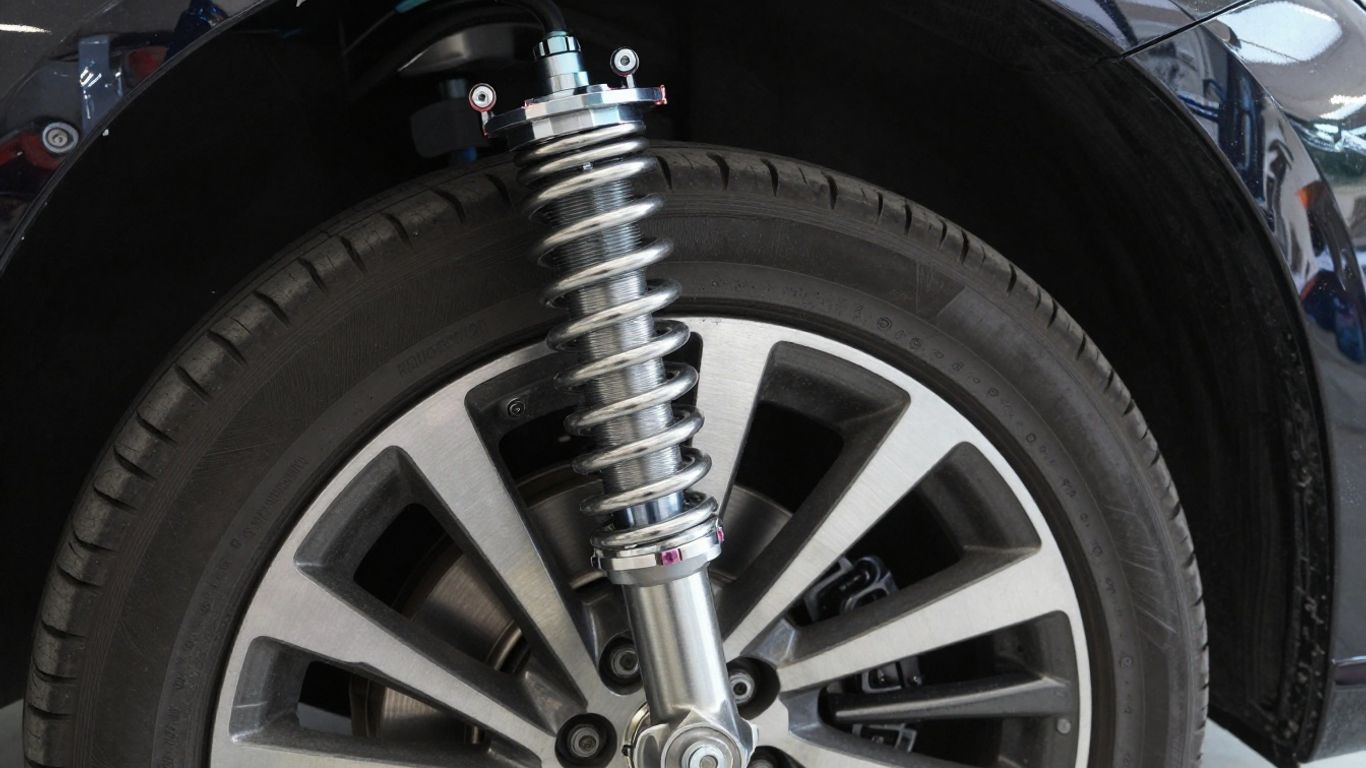
Transforming the driving feel of a vehicle often centers on how it negotiates corners and absorbs road imperfections. Upgrading the suspension geometry and spring rates allows the chassis to remain composed under aggressive driving or during high-speed maneuvering. A well-sorted suspension setup should feel intuitive, giving the driver confidence while maintaining proper tire contact patches even on imperfect surfaces.
Coilover kits and lowering springs
Lowering the center of gravity reduces body roll and improves turn-in response significantly. Coilover kits offer height and damping adjustability, allowing for fine-tuned setups tailored to specific needs. For those utilizing high-performance vehicles, these systems are a staple for achieving sharper handling profiles.
Sway bars and strut tower braces
Chassis stiffness is critical when you want to minimize flex during hard cornering. Sway bars, also known as anti-roll bars, connect the left and right wheels to keep the car level, while strut tower braces prevent energy dissipation by linking the shock towers. These structural reinforcements help keep the suspension components within their ideal operating range.
Polyurethane bushing upgrades
Rubber chassis bushings eventually degrade, leading to imprecise steering feedback and vague cornering sensations. Upgrading to polyurethane alternatives provides a direct, responsive feel through the steering wheel because it eliminates unwanted deflection. This modification is highly recommended for performance-oriented drivers who want to tighten up the connection between the road and the cabin.
High-performance shock absorbers
Quality damping determines how smoothly the energy from bumps is absorbed and released by the springs. High-performance dampers often feature multiple adjustment stages, allowing you to switch between soft comfort for the highway and firm control for a spirited backroad drive.
Braking system performance
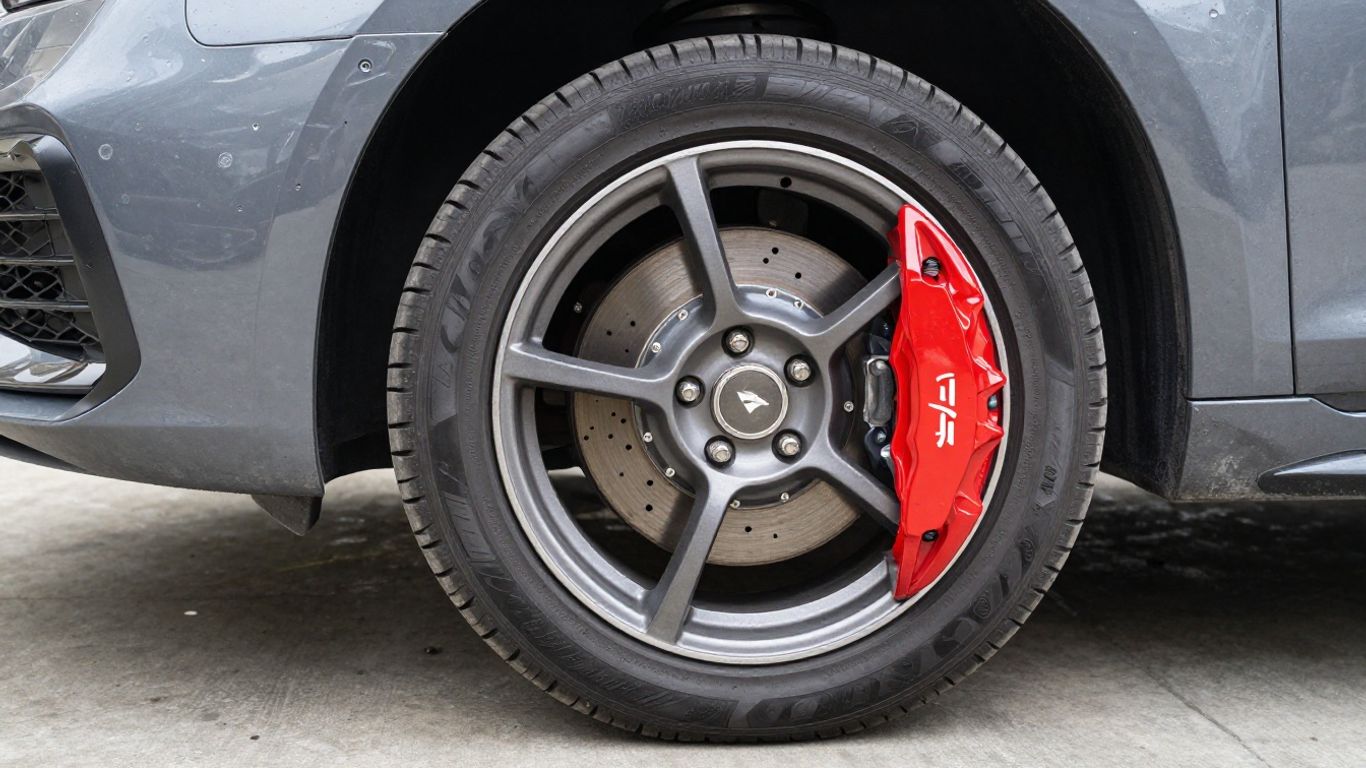
Stopping power is the most critical safety factor when adding horsepower to any platform. Upgrading the braking system improves thermal capacity, which is essential for preventing fade during heavy use. The following table summarizes common upgrades used to improve deceleration capabilities, alongside the performance brake components often found on capable builds.
| Upgrade Component | Function | Expected Benefit |
|---|---|---|
| Big Brake Kits | Increases rotor diameter and caliper piston count | Enhanced thermal mass and power |
| Braided Lines | Replaces flexible rubber for consistent pressure | Firmer pedal feel and feedback |
| Performance Pads | Increases friction coefficient at higher temps | Reduced stopping distances |
Big brake kits for increased stopping power
Larger rotors provide more surface area for the calipers to grab onto, improving heat dissipation during repeated stops. These kits frequently include multi-piston calipers that distribute clamping force more evenly, resulting in a more predictable pedal feel. When combined with performance cooling strategies, professional-grade brake setups offer the durability required for track activities.
Performance brake pads and high-temp fluid
Selecting the right friction material is essential for street and track use. High-temperature brake fluid maintains its liquid state longer under severe heat, preventing the dreaded "soft pedal" feeling caused by boiling fluid. These components ensure that the entire system remains responsive in demanding conditions.
Braided stainless steel brake lines
Standard brake hoses can expand under high pressure, leading to a mushy pedal experience. Switching to stainless steel braided lines ensures that the force applied by the master cylinder is transferred directly and immediately to the brake calipers. This ensures sharper feedback during every input.
Slotted or cross-drilled rotors
These designs help off-gas the heat-related build-up that can cause fading during intense deceleration sequences. By channeling heat and debris away from the contact patch, these rotors maintain consistent friction throughout the braking event. This is especially helpful for drivers who prioritize safety and repeat performance.
Drivetrain and transmission improvements
Power means nothing if it cannot reach the wheels effectively, and the drivetrain is the critical link in that chain. Transmission upgrades for modern vehicles often involve cooling and refined shifting mechanisms. Each of these components ensures your car remains reliable even after significant power increases.
Short-throw shifters and linkage upgrades
Reducing the travel time between gears can significantly improve the driver interface and engagement level. Upgraded linkages remove the sloppiness often found in factory setups, providing a crisp, mechanical feeling during every gear change. This tactile improvement makes shifting feel more deliberate and precise.
Upgraded clutches for high-torque builds
Factory clutches are designed for standard daily driving parameters and will slip when faced with significantly higher torque output. Installing a performance clutch ensures that every bit of extra power gets transferred to the gearbox without failure. These units use high-friction materials and reinforced pressure plates to hold power effectively.
Limited-slip differential installations
Distributing power to both drive wheels equally prevents the inside wheel from spinning during tight cornering. Limited-slip mechanisms lock the wheels together when traction is compromised, ensuring consistent forward momentum. They are vital for anyone looking to maximize mechanical grip in low-traction scenarios.
Transmission coolers for modified automatics
Increased engine output often results in higher transmission fluid temperatures, which can lead to premature wear or failure. An external cooler is a simple yet vital mechanism that circulates fluid through an secondary air- cooled radiator to keep peak heat within safe limits. This ensures that the automatic gearbox operates smoothly even when pushing the car to its limits.
Selecting the right parts for your Volvo model
Choosing components requires understanding how your driving habits align with your car’s current state. The most important step is often conducting basic routine maintenance before adding any extra performance hardware to ensure a stable foundation. Whether you drive a legacy sedan or a contemporary crossover, the goal is to enhance the character of the vehicle without losing the aspects you enjoy daily.
Balancing street comfort with track performance
Daily drivers require a different level of compliance compared to dedicated weekend builds. When choosing parts, look for systems that allow adjustment, so you can soften or stiffen the ride based on your destination. The key is identifying the point where the car becomes too aggressive for your local road conditions.
Compatibility differences between legacy and modern Volvos
Classic platforms and newer electronic architectures have vastly different needs. Older models with mechanical heritage benefit from structural reinforcements, whereas modern platforms often rely on ECU interaction and sensor integration. Always verify that a part fits your specific chassis code before purchasing.
Sourcing components from reputable aftermarket brands
Reliability depends directly on the quality of the components you install. Stick to suppliers that specialize in the platform to avoid poor material choices or incorrect fitments. Researching community feedback and verifying the track record of an aftermarket brand provides peace of mind throughout the project lifecycle.
Budgeting for long-term reliability and maintenance
Performance comes with increased stress on original systems, so your budget must account for this shift. Always set aside funds for items like high-quality fluids, tires, or sensor replacements that become necessary after modifying the engine or suspension. A successful build is one that remains reliable while performing better than stock.
Conclusion
Upgrading your vehicle is a rewarding process that bridges the gap between your car’s factory capability and your personal driving needs. By carefully planning each modification and focusing on the synergy across engine, suspension, braking, and drivetrain systems, you can create a machine that feels truly dialed-in and responsive. Remember that maintaining your car with care while choosing high-quality, reputable components will ensure that these improvements last for years on the road or the track.
Frequently Asked Questions
Is it safer to modify the engine or the suspension first?
It is generally recommended to address handling and braking before increasing engine output, as managing higher speeds safely requires improved control and stopping power. Your modifications should always focus on maintaining a balanced vehicle profile.
How do performance parts affect my fuel economy?
Many modifications that improve air intake or exhaust flow can slightly increase fuel efficiency by making the engine work less to produce power. However, aggressive tuning or changes in driving style will typically result in increased fuel consumption.
Should I always use the thickest sway bars available?
Not necessarily, as sway bars that are too thick can cause the car to skip over bumps or lose grip on one wheel during cornering. It is best to choose a diameter that matches your spring rates and tire compound for optimal balance.
What happens to a warranty after installing performance parts?
Installing aftermarket hardware can impact segments of your factory warranty, especially if the new component is proven to be the cause of a claim. It is important to discuss potential modifications with a service advisor if you have concerns regarding ongoing factory coverage.
Can I install performance parts by myself at home?
Many common upgrades like intake systems or exterior bracing can be installed with basic hand tools and standard garage equipment. For more complex jobs like turbocharger installation or clutch replacement, specialized tools and mechanical experience are necessary to ensure the project is completed correctly.
Do performance brake pads always make noise?
High-performance brake materials often have a higher metallic content to withstand heat, which can lead to more brake dust and occasional noise compared to standard street pads. Choosing a street-oriented performance pad can minimize this trade-off while still improving stopping power.
How do I ensure my custom build remains reliable?
Reliability is maintained by adhering strictly to a shortened maintenance schedule, including more frequent oil changes and fluid replacements. Regularly inspecting your performance components for signs of wear will help identify potential issues before they cause a breakdown.