
Key Takeaways
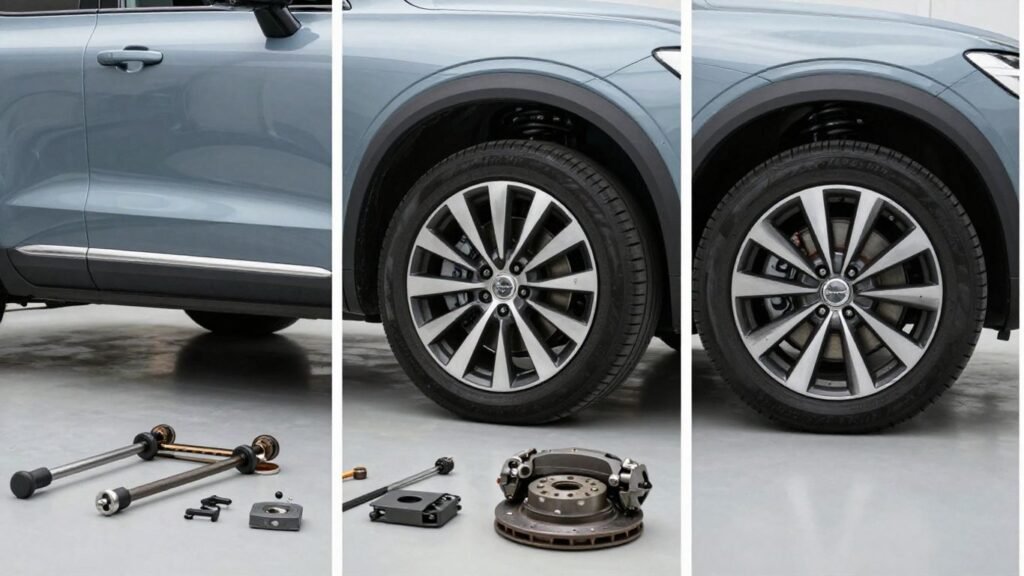
Healthy brakes depend on compatible parts, regular checks, and prompt attention to changes in noise, pedal feel, or stopping distance.
- Inspect friction materials, rotors, calipers, and fluid as a system.
- Treat grinding, pulling, vibration, and warning messages as reasons to investigate.
- Match replacement parts to the exact Volvo model, year, and axle.
- Compare estimates by parts, labor, and the work included.
- Use safe working methods and professional help when electronic systems or diagnosis are involved.
Understanding how Volvo brakes work
Volvo brakes use friction to turn the car’s movement into heat, while hydraulic pressure transfers force from the pedal to the wheels. The basic arrangement is familiar, but its dimensions, materials, sensors, and controls vary between models and production years. Understanding the system makes inspection results easier to interpret and helps prevent mismatched replacement parts.
The role of brake pads, rotors, calipers, and fluid
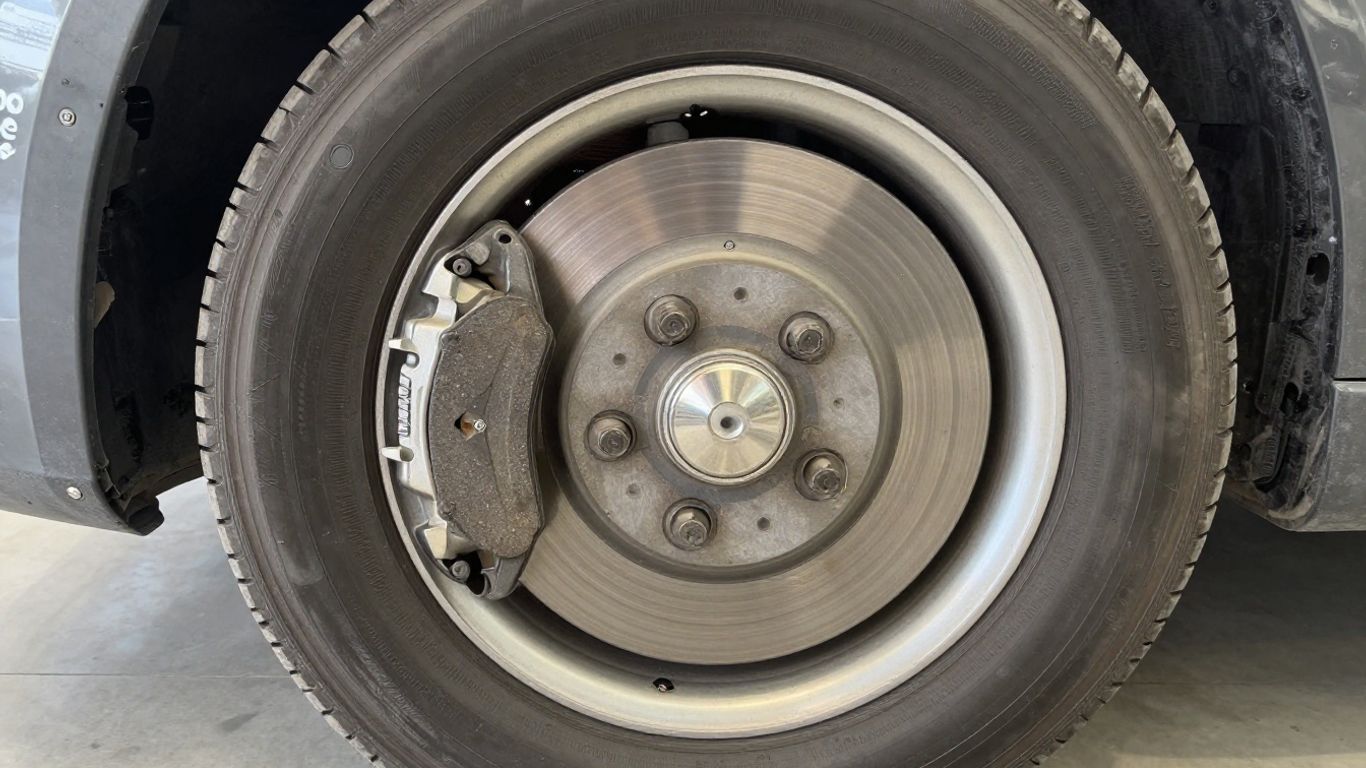
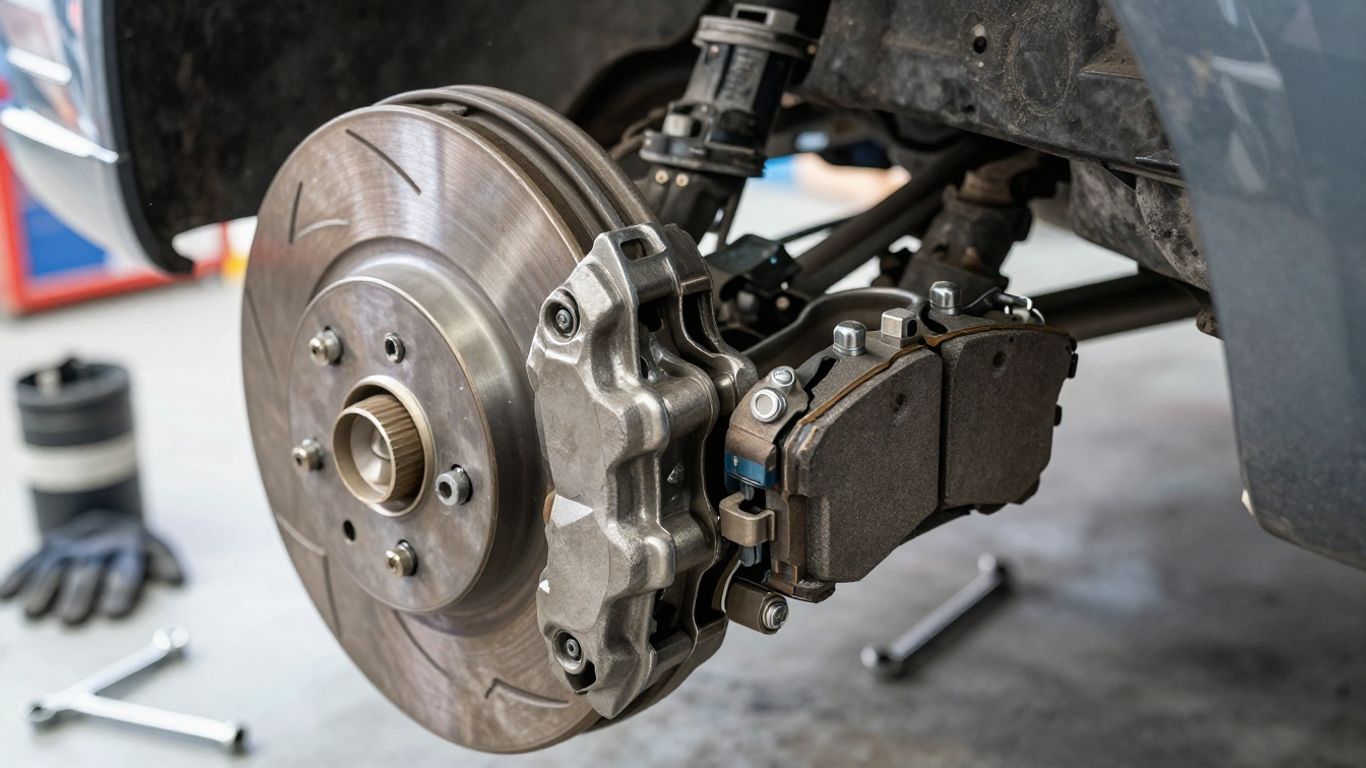
When you press the pedal, brake fluid carries pressure through the hydraulic system. Calipers push the pads against the rotors, and that contact slows the wheel. Pads gradually lose friction material, while rotors can develop scoring, corrosion, heat marks, or thickness variation. A problem in one component can affect the others, so replacing a pad without investigating a sticking caliper may only provide a temporary fix.
How Volvo braking systems vary by model and year
Brake sizes and hardware are not universal across the range. A compact model, a heavier SUV, and a performance-oriented trim may use different pad shapes, rotor diameters, calipers, sensors, and rear-brake arrangements. Confirm the VIN, model year, engine or motor configuration, wheel size, and axle before ordering; a product page for C30 brakes is useful only when the vehicle is actually a C30.
Electronic parking brakes and brake-by-wire features
Some vehicles use an electronically controlled parking brake rather than a simple hand-operated cable. Rear-pad service may then require a service mode or scan-tool procedure, and forcing the mechanism can damage it. Brake-by-wire systems also place more emphasis on sensors, control modules, and correct calibration, although the friction parts at the wheel still need ordinary physical inspection.
How safety and driver-assistance systems affect braking
Automatic emergency braking, stability control, and other assistance systems can apply or modulate braking without the driver pressing the pedal. They do not make worn pads or damaged rotors safe to ignore. After work involving sensors, wheel-speed wiring, or electronic controls, confirm that warning messages have cleared and that the system behaves normally in a controlled setting.
Recognizing signs of Volvo brake problems
Brake symptoms often begin subtly: a new chirp on the morning commute, a pedal that feels different, or a car that no longer stops with its usual confidence. These clues are more useful when considered together with mileage, recent repairs, and driving conditions. A practical brake warning signs guide can help organize observations, but it cannot replace a hands-on diagnosis.
Squealing, grinding, and other unusual noises
A light squeal can come from pad material, dust, moisture, or vibration between contact surfaces. Persistent squealing may indicate wear or hardware that needs attention. Grinding is more urgent because it can mean the friction material is exhausted and the backing plate is contacting the rotor. Clicking, scraping, or noise that changes with wheel speed also deserves inspection.
Vibration, pulling, or changes in pedal feel
A pulsing pedal or steering-wheel vibration during braking may point to rotor thickness variation, uneven deposits, worn suspension parts, or a wheel issue. Pulling to one side can result from unequal braking force, a seized caliper, tire differences, or alignment trouble. A soft or sinking pedal raises a different concern, such as air, a leak, or a hydraulic fault.
Warning lights and dashboard messages
A brake warning light may relate to pad wear, fluid level, the parking brake, or an electronic fault. Read the exact dashboard message rather than assuming every light means the same thing. If the warning is accompanied by a soft pedal, fluid loss, or poor braking, stop driving when safe and arrange qualified assistance.
Longer stopping distances and reduced braking performance
Longer stopping distances are a safety issue even when no noise is present. Heat can reduce friction temporarily, while worn pads, contaminated surfaces, old fluid, or a failing hydraulic component can reduce performance more persistently. Do not test questionable brakes at speed; slow down, leave extra space, and have the vehicle checked.
Knowing when Volvo brakes need inspection
Inspection timing should combine the manufacturer’s schedule with the way the vehicle is used. A car that sees steep hills, heavy traffic, towing, or winter road salt may need closer attention than one used gently on open roads. The goal is to find wear while there is still enough material to protect the more expensive components.
Recommended inspection intervals
Check the service schedule for the exact vehicle and have the brakes examined whenever wheels are removed, tires are changed, or routine maintenance reveals a concern. An inspection is also sensible before a long trip and after symptoms appear. Do not rely on a fixed mileage figure alone, because brake wear varies widely with weight, traffic, terrain, and driving style.
What to check during a visual inspection
Look through the wheel for pad thickness, rotor scoring, heavy rust, cracks, and an uneven contact band. Check for wetness around hoses, calipers, and the master-cylinder area, while also checking the fluid reservoir against its marked level. A visual check is useful, but it cannot reliably measure inner-pad wear or reveal every fault without removing the wheel.
How driving conditions affect brake wear
Frequent short trips can leave corrosion on lightly used rotor surfaces. Stop-and-go traffic creates repeated heat cycles, and mountain roads demand sustained braking. Carrying heavy loads or towing increases energy at each stop. Smooth anticipation and suitable lower gearing on descents can reduce unnecessary pedal use, but they do not eliminate the need for periodic inspection.
Why uneven wear requires further diagnosis
One pad being much thinner than its partner is not normal wear to dismiss. It may indicate a seized slider, restricted hose, uneven caliper movement, or a hardware problem. Uneven rotor wear can produce noise and vibration, and fitting new pads without correcting the cause may quickly repeat the repair. Ask the technician to explain what created the difference.
Choosing replacement Volvo brake parts
Replacement decisions should begin with fitment and intended use, then move to material, noise, dust, heat tolerance, and price. The correct part is not simply the most expensive one. Keep the model and axle configuration in view, and compare the full set of components rather than choosing pads and rotors in isolation.
Original equipment versus aftermarket components
Original-equipment parts are designed around the vehicle’s specified braking system. Reputable aftermarket parts can also be suitable when their dimensions, friction characteristics, certifications, and application data match the car. Avoid parts with unclear provenance or vague fitment claims. A written specification is more useful than a promise of universal improvement.
Selecting the right pads for your Volvo model
Pad compounds trade off noise, dust, cold response, heat resistance, and pedal feel. Confirm the exact shape and axle application, then consider whether the car is mainly used for commuting, towing, hills, or spirited road driving. For a documented aftermarket option, Brembo Xtra offers dedicated pads and drilled or slotted disc options described for Volvo applications; compatibility still needs checking.
Comparing rotor materials and designs
Standard solid or vented rotors may be appropriate for ordinary road use, depending on the vehicle specification. Drilled or slotted designs can change heat and surface behavior, but they are not automatically better for every driver. Compare minimum thickness, ventilation, corrosion protection, balancing, and application data. A rotor that looks attractive but does not match the caliper and pad system is the wrong choice.
When Brembo and other premium brands may be worthwhile
A premium component may make sense when the vehicle works hard, the driver values consistent pedal response, or the product offers clear application data and quality control. The documented Brembo Xtra Ceramic option is positioned toward comfort and wheel cleanliness, while the Brembo Max disc range is listed alongside Xtra and Sport discs. Those features should be weighed against price and actual driving needs.
Understanding Volvo brake replacement costs
Brake estimates are easier to judge when the work is separated into parts, labor, diagnosis, and follow-up checks. Prices vary by model, access, corrosion, local labor rates, and whether electronic service procedures are needed. Online articles about unrelated costs, such as backyard levelling costs, illustrate why a headline figure is less useful than a clear breakdown of the work included.
Typical costs for pads, rotors, and related parts
Pads alone are usually less expensive than pads and rotors together, but the exact total depends on axle design and part quality. Related items may include clips, shims, wear sensors, fluid, caliper hardware, or a seized fastener that needs extra labor. Ask whether the quote covers cleaning, measurement, disposal, and a road test rather than comparing only the first number shown.
Factors that change labor and repair prices
Labor can increase when fasteners are corroded, caliper sliders are seized, rotors are difficult to remove, or electronic parking-brake procedures are required. Diagnosis adds time when symptoms could come from suspension, tires, or hydraulics rather than friction parts. A local workshop’s experience with the exact model can reduce guesswork, even if its hourly rate is not the lowest.
Replacing components in pairs or complete axles
Pads should generally be replaced on both sides of the same axle so braking remains balanced. Rotors are commonly replaced as an axle pair for the same reason, especially when one is scored or below its service limit. A technician may recommend a complete axle service when pad and rotor wear are closely related, but the estimate should explain why each item is necessary.
How to evaluate a repair estimate
Look for the vehicle identification, axle being repaired, part numbers or quality level, labor hours, taxes, warranty, and any diagnostic charge. Ask whether the shop measured rotor thickness and inspected caliper movement. A useful estimate explains the safety reason for the work instead of simply listing a package. For unrelated appointment preparation, even a first hearing test guide follows the same helpful principle: know what the quoted service includes.
Maintaining Volvo brakes for longer service life
Brake maintenance is mostly about controlling heat, moisture, contamination, and delayed repairs. It cannot prevent normal friction wear, but it can help components wear evenly and make faults easier to spot. Keep service records so a change in pedal feel or pad thickness can be compared with earlier visits.
Brake fluid inspection and replacement
Brake fluid absorbs moisture over time, which can lower its boiling point and contribute to corrosion inside the hydraulic system. Check the specified fluid type and replacement interval for the vehicle, and never open the reservoir with dirty tools nearby. Fluid that is low, dark, or disappearing requires investigation rather than simply topping up.
Proper bedding-in for new pads and rotors
New friction surfaces need a controlled bedding process so pad material transfers evenly to the rotor. Follow the parts maker’s instructions, using moderate stops and allowing cooling periods rather than repeated hard braking. Avoid holding the pedal firmly while stationary immediately after a very hot stop, as this can encourage uneven deposits.
Driving habits that reduce brake wear
Look farther ahead and lift off early when traffic slows. Maintain a sensible following distance, use appropriate gearing on long descents, and avoid carrying unnecessary weight. These habits reduce repeated abrupt stops without compromising safety. Never coast in neutral or use a lower gear as a substitute for braking when an immediate stop is needed.
Keeping wheels and brake components clean
Road salt, mud, and brake dust can collect around calipers and wheel openings. Gentle cleaning during wheel service helps reveal leaks, damaged boots, and uneven deposits, but do not spray cold water onto extremely hot rotors. Do not apply lubricant to friction surfaces. Use only the specified lubricant on suitable caliper contact points.
Deciding between DIY and professional brake service
Some brake work is within the reach of an experienced owner, but the consequences of an error are serious. The decision depends on skill, equipment, workspace, and the vehicle’s electronic systems, not just on whether the job looks simple. When uncertain, a professional inspection is usually cheaper than repairing damage caused by an improvised procedure.
Repairs that experienced owners may handle
An experienced owner with service information may replace straightforward pads or rotors on a conventional system. The person should understand torque specifications, caliper support, wear-sensor routing, and the required bedding procedure. A job should stop if the hardware differs from the instructions, a piston will not retract normally, or a warning appears after reassembly.
Tools and safety precautions for brake work
Use a level surface, axle stands rated for the vehicle, wheel chocks, eye protection, and a dependable torque wrench. Never rely on a jack alone, and never let a caliper hang from its hose. Keep friction surfaces free of grease, photograph cable and sensor routing before removal, and follow the repair manual rather than memory.
Situations that require a qualified technician
Seek professional help for hydraulic leaks, a sinking pedal, persistent pulling, electronic parking-brake faults, brake-by-wire systems, seized components, or unexplained uneven wear. Diagnosis is also the safer choice when warning lights remain on. If braking performance is poor, arrange transport instead of driving the vehicle to the shop.
Post-repair checks and road testing
Before moving, press the pedal several times until it feels firm, check the fluid level, and confirm that wheels and fasteners are secure. Begin with a slow test in a safe area, checking for noise, pulling, vibration, and warning messages. After the first drive, inspect for leaks and recheck wheel torque according to the service instructions.
Conclusion
Reliable Volvo brakes come from matching parts carefully, inspecting the entire system, and responding early to changes in sound, feel, warning messages, or stopping ability. A clear estimate and disciplined maintenance make routine work more predictable, while serious symptoms and electronic faults deserve qualified attention.
Frequently Asked Questions
How often should brakes be inspected?
Check the vehicle’s service schedule and inspect the brakes whenever symptoms appear, wheels are removed, or the car has experienced demanding use such as towing, mountain driving, or heavy traffic.
How long do brake pads usually last?
Pad life varies with vehicle weight, traffic, terrain, material, and driving habits. Measure the remaining friction material rather than relying on a universal mileage promise.
Should pads and rotors be replaced together?
Not always, but rotors should be measured and inspected whenever pads are replaced. If rotors are scored, below their service limit, or uneven, replacing them with the pads may be appropriate.
Is brake squeal always a serious problem?
No. Squeal can come from moisture, dust, or pad vibration, but persistent noise or any grinding should be investigated before it damages other components.
What does a soft brake pedal mean?
A soft pedal can indicate air, a leak, old fluid, hose expansion, or another hydraulic fault. Do not continue normal driving until the cause has been checked.
Can I replace brake pads myself?
A capable owner may handle a straightforward job with the correct tools and service information. Electronic parking brakes, hydraulic faults, seized hardware, and uncertain diagnosis are reasons to use a qualified technician.
How should new brakes be tested?
Confirm a firm pedal and no leaks before driving slowly in a safe area. Check braking response, noise, pulling, vibration, and dashboard warnings, then follow the specified bedding procedure.