
Key Takeaways
Proper maintenance relies on selecting the appropriate components for your vehicle. This guide helps you navigate the complexities of sourcing quality parts to ensure long-term reliability.
- Understand the distinction between genuine, OEM, and aftermarket parts.
- Use your VIN to guarantee specific part compatibility.
- Prioritize safety by avoiding low-quality or counterfeit components.
- Utilize authorized networks to prevent premature wear and system failure.
- Perform thorough inspections when sourcing used or aftermarket hardware.
Understanding the different types of Volvo spare parts
Navigating the replacement market often feels overwhelming due to the variety of catalog options available to owners. Understanding how these components are categorized helps you make an informed decision for your vehicle’s health.
Genuine Volvo parts
Genuine items include components manufactured or distributed directly through the factory network. When you choose Volvo Genuine Parts, you receive items explicitly engineered for your specific model architecture to ensure your Volvo runs optimally. These components meet internal factory specs exactly.
OEM Volvo parts
Original Equipment Manufacturer or OEM components are produced by the same companies that supply the factory but are sold in their own branding. These parts function identically to the factory-issued versions without the specific automaker packaging. Choosing these remains a standard path for many independent shops as they offer a reliable baseline for repair.
Aftermarket alternatives
Aftermarket components are produced by third-party companies that design parts to be compatible with various vehicles. While some offer budget-friendly solutions, quality can vary significantly between brands. It is essential to research the reputation of these companies if you plan to move away from original equipment standards for non-critical repairs.
Remanufactured components
Remanufactured parts represent a sustainable approach where used components are disassembled, cleaned, and restored to original functioning. These are a great middle-ground for complex systems like alternators or steering racks where cost-efficiency is vital. Consider the following comparison to see how these options typically stack up:
| Part Type | Quality Standard | Cost Estimate |
|---|---|---|
| Genuine | Factory Certified | High |
| OEM | Factory Equivalent | Moderate |
| Aftermarket | Variable | Low |
Selecting the right tier depends largely on the critical nature of the part you intend to replace.
Identifying the right part for your vehicle
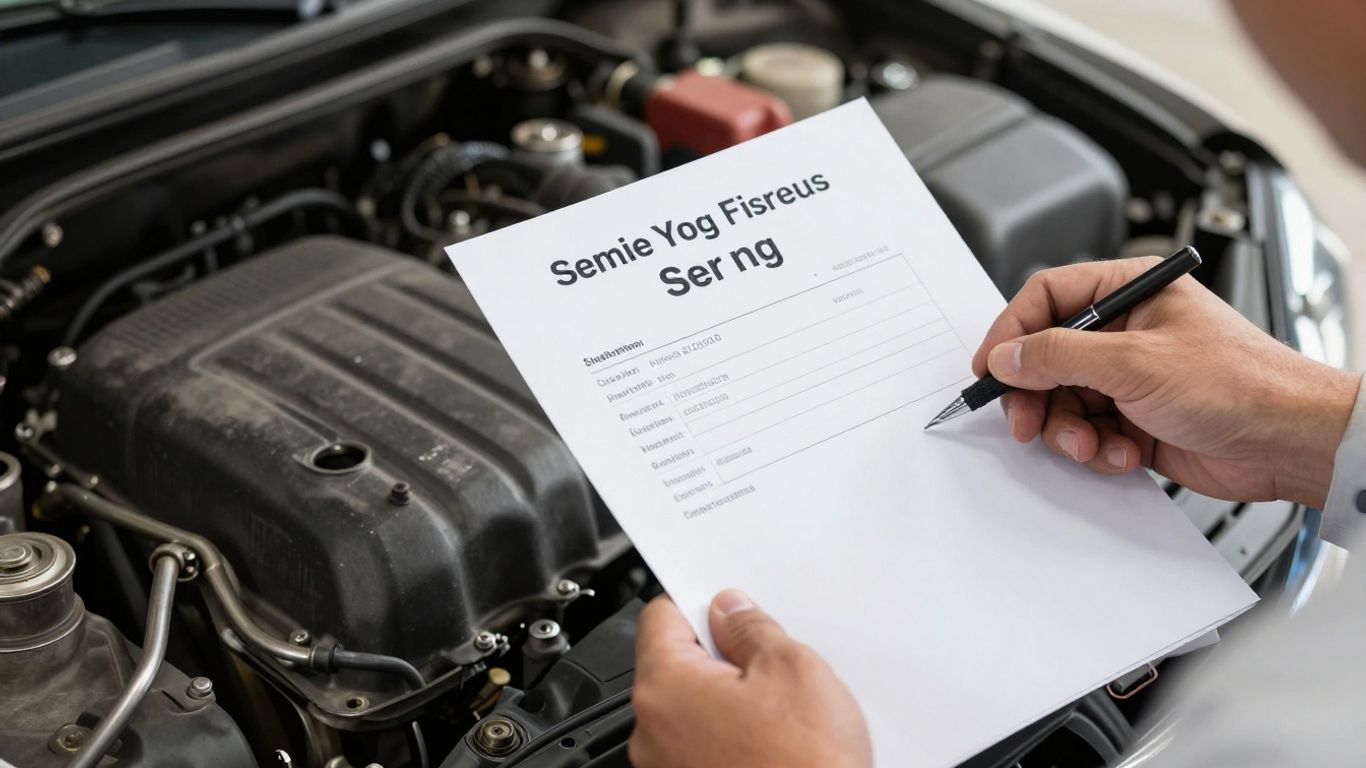
Finding the exact match requires careful attention to detail throughout the searching process. Precision is paramount to avoid the frustration of returning incompatible hardware later.
Using your VIN for accuracy
Your Vehicle Identification Number serves as the ultimate key for searching databases. It contains specific production data that ensures you receive components tailored precisely to your engine type and sub-series. Always start your search by inputting this number into the ordering portal to filter out incompatible results.
Navigating online parts catalogs
Online systems offer a vast repository of diagrams and lists that simplify the identification phase. You should follow the schematic breakdowns to find specific hardware groups rather than performing a general text search. Following these steps helps streamline the process:
- Locate the specific diagram for your vehicle system.
- Cross-reference the part number with your digital VIN decoder.
- Verify the production month and year against the specific application.
This structured approach minimizes the likelihood of ordering incorrect equipment.
Checking compatibility by model year
Manufacturing processes change frequently, sometimes mid-year, which makes year-based filtering essential. Just because a part looks the same does not guarantee it matches the mounting points of your specific build. Thoroughly check the application list provided by the merchant to confirm your build year is explicitly supported.
Consulting your owner’s manual
Never overlook the documentation provided with your purchase. The manual often contains specific codes and maintenance requirements that dictate exactly what type of fluids or filters are needed for your engine. Using these defined specifications ensures that your maintenance routine remains compliant with factory expectations.
Benefits of choosing genuine Volvo parts
Opting for Volvo Genuine Parts offers peace of mind through consistent quality assurance and engineering standards. These parts are specifically designed to fit your vehicle perfectly, reducing the risk of installation friction.
Guaranteed fit and performance
When components are built to the exact blueprint of your car, the installation process becomes significantly smoother. You avoid the common issues of forced fits or modified brackets that often plague generic replacements. These parts maintain the intended geometry of your engine bay.
Maintaining manufacturer warranty
Using authorized parts is a critical factor for protecting the longevity of your factory warranty coverage. Many agreements require that repairs are conducted using components that meet specific certifications to keep the protection valid. Skipping this step may lead to complications during potential claim reviews.
Access to rigorous quality control standards
Every authentic component undergoes extensive testing to verify that it functions as expected under diverse climate conditions. This rigorous validation process ensures that the part can withstand the heat, friction, and stress typical of daily driving. The consistency provides stability that random generic brands often struggle to replicate.
Long-term impact on vehicle resale value
Potential buyers often look for records indicating that maintenance was handled with high-quality components. Keeping a track record of proper repairs serves as a testament to how well you maintained the machine. This documentation can prove beneficial when you eventually decide to trade up or sell your car.
Where to source reliable Volvo spare parts
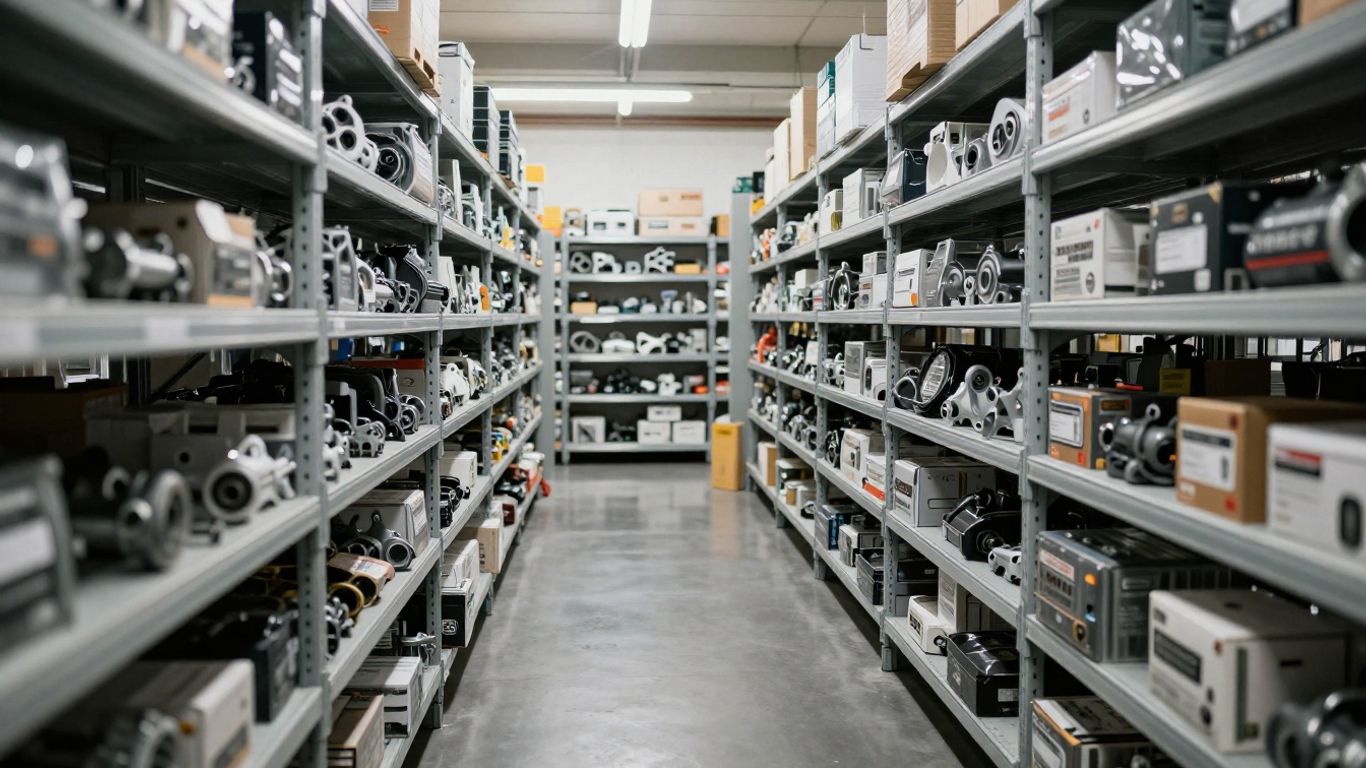
Maintaining the integrity of your drive requires securing your hardware from trusted channels. Where you purchase makes a massive difference in whether you receive authentic product or unreliable knock-offs.
Authorized dealership networks
Visiting a local dealership provides access to professional expertise and genuine inventory. They hold the most accurate databases for current part numbers and updates regarding your specific model. While they are often the most expensive option, they represent the absolute safest route for critical engine and drivetrain components.
Reputable online parts retailers
Digital retailers allow you to price-check while remaining within trusted distribution networks. Look for shops that partner directly with verified warehouses to ensure you receive genuine Volvo Genuine Parts rather than third-party substitutes. Always verify their return policies and ship speed before confirming your checkout.
Specialist independent Volvo shops
Independent mechanics who focus exclusively on this marque usually have reliable, well-tested supply chains. They often recommend the best aftermarket brands for non-essential parts, helping you save money without compromising safety. Their real-world knowledge is an invaluable asset when you are deciding between genuine and alternative tiers.
Verified local salvage yards
Salvage yards are useful for sourcing discontinued interior trim pieces or body panels that are no longer in production. Treat these sources as an option of last resort for structural or electrical mechanical components. Only purchase from yards that provide a clear history of the donor vehicle’s condition.
Risks of using low-quality or counterfeit parts
Counterfeit goods often look identical to the real items but lack the internal structural health or material quality required for safe operation. The danger is that these faults are frequently hidden until the part fails unexpectedly on the road.
Safety concerns and mechanical failure
Low-grade materials can snap or degrade under heat, leading to sudden breakdowns in traffic. Genuine components are tested to survive these conditions, whereas counterfeit items often use inferior alloys or plastics that cannot handle standard operating loads. Your safety is not worth the minor savings of a discount generic part.
Potential damage to complex electrical systems
Modern electronics are highly sensitive to voltage fluctuations and poor connectivity. Using a connector or sensor that does not perfectly meet factory specifications can send false signals to the central computer. This can trigger unnecessary warning lights or damage sensitive control modules, leading to expensive repairs.
Legal and safety certification issues
Parts certified by safety bodies must pass stringent vibration and impact tests. Counterfeit versions lack these certifications, meaning they haven’t been vetted for how they behave in an accident. Using non-compliant hardware could potentially leave you liable if a component failure occurs.
Hidden costs of premature wear and tear
What seems like a bargain often turns out to be a waste when it fails months earlier than projected. You end up paying for the labor to replace the part twice, effectively doubling your total cost of ownership. Over time, high-quality hardware is almost always the more economical choice.
Tips for inspecting used or aftermarket parts
Before you finalize any installation, you must perform a thorough visual assessment of the part in your hands. This small investment of time prevents you from installing a faulty component that could jeopardize your vehicle.
Visual inspection for damage signs
Check for surface scratches, odd discoloration, or signs of stress fractures that could indicate prior usage. Even if a part is sold as new, shipping damage can happen at any stage of the transit process. Look at the packaging to see if it has been opened or resealed recently.
Verifying manufacturer certifications
Look for official markings, serial numbers, or safety seals that prove the part originated from a verified facility. Authentic parts usually carry clear identification that you can verify with a quick online search or a call to a dealer parts counter. If the markings look blurred or are missing entirely, exercise extreme caution before moving forward.
Checking for signs of unauthorized refurbishment
Look for tool marks on screw heads or worn contact pins that would suggest the item was opened by someone without specialized equipment. An item that arrives in a generic box with signs of previous mounting is an immediate red flag. Never install a part that appears to have been forced or modified by a third party.
Comparing dimensions and specifications to original hardware
Place the new item next to your old part and compare every mounting hole, gasket channel, and thread pitch. If you notice even a slight deviation in length or width, stop the assembly immediately. An incorrect dimension will usually lead to secondary damage once you start the engine or apply load to the system.
Conclusion
Selecting the right parts for your vehicle is a fundamental responsibility that preserves longevity and ensures safety on the road. By leveraging authorized channels and performing diligent checks on every replacement component, you protect your investment and maintain the high standards of performance expected of your car.
Frequently Asked Questions
Why does my vehicle require specific part numbers?
Automakers frequently update component designs during a model’s lifecycle to address performance issues. Using the exact part number ensures the component fits your specific build date and engine configuration, preventing mechanical conflicts.
Can I use parts from a different model year?
Compatibility between model years is never guaranteed because internal architecture changes frequently. Unless a parts catalog explicitly states that a component is cross-compatible, it is safer to stick with the part designated for your specific production year.
How do I identify a counterfeit component?
Counterfeit parts often feature poor-quality packaging, missing security holograms, or discrepancies in the manufacturer logo. Always purchase from authorized networks rather than unverified sellers to avoid receiving imitation hardware.
Is it safer to buy from a local dealership?
Dealerships offer a direct link to factory-authorized parts and expert database access. While these outlets may have higher pricing, they offer the highest level of assurance regarding the authenticity and accuracy of the components provided.
What are the risks of using recycled components?
Used parts carry an unknown history of stress and usage. While they may be budget-friendly for minor aesthetic issues, they are risky for critical engine, braking, or safety systems where reliability is non-negotiable.
Why does the VIN matter for parts ordering?
Your VIN contains the specific build blueprint for your car. It allows retailers to accurately filter through thousands of variations to provide the one part that matches your electrical system, engine output, and trim level.
How can I verify that a part is damaged?
Perform a physical check for surface deformation, stress lines, or unusual markings. Compare the component dimensions side-by-side with your original part to identify any deviations that could cause mounting issues during installation.