

Key Takeaways
Maintaining the integrity of your vehicle ensures longevity and performance, especially when utilizing components designed by the manufacturer.
- Original components match exact factory engineering requirements.
- Safety systems rely on specific hardware to function correctly.
- Using correct parts protects the validity of manufacturer warranties.
- Authentic components often provide lower total cost of ownership.
- Identifying genuine sources prevents the dangers of counterfeit materials.
The importance of choosing genuine Volvo parts
Every vehicle is a complex machine where thousands of components work in harmony to deliver a safe, reliable driving experience. When a replacement becomes necessary, the choice of hardware significantly influences how that machine maintains its performance over the years. By opting for original equipment, owners ensure their vehicles continue to behave exactly as they did when they left the production line.
Maintaining factory specifications
Your vehicle was designed with specific tolerances and performance targets in mind. When you select Volvo Genuine Parts for repairs, you are choosing components that were built to the exact same specifications as the ones originally installed at the factory. This compatibility preserves the inherent balance of your vehicle’s mechanical systems.
Critical safety considerations
Modern automotive safety systems, such as automated braking or stability control, operate on highly sensitive sensor data and precise mechanical responses. Using unauthorized parts can disrupt these interactions, potentially leading to delayed or incorrect system engagement during emergency situations. Maintaining these systems is the most crucial aspect of long-term vehicle ownership.
Impact on vehicle resale value
Potential buyers prioritize vehicles with documented service histories that exclusively utilize high-quality components. When you consistently install parts that meet official standards, you are investing in the long-term desirability and physical condition of your car. Future owners appreciate knowing that the machine has been preserved with the care originally intended by the manufacturer.
Benefits of official Volvo components
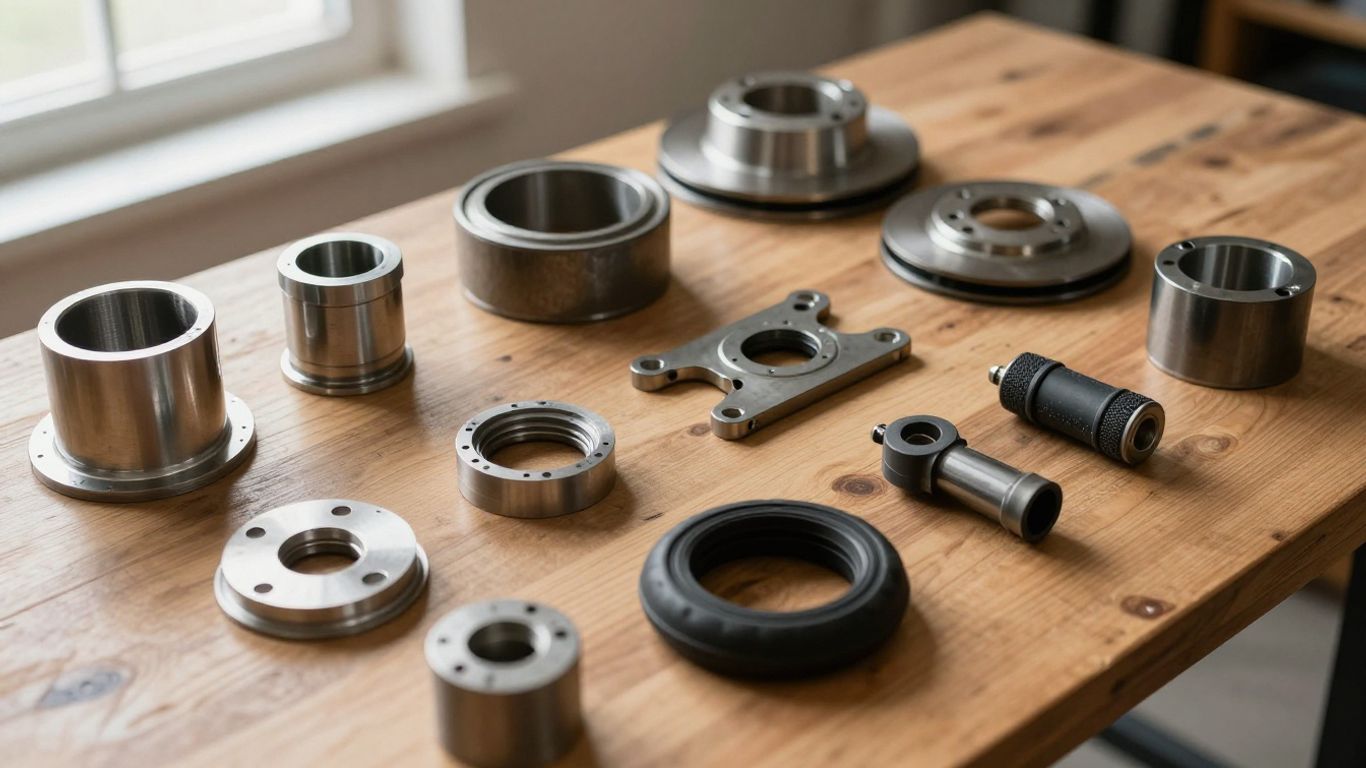
Choosing components engineered by the manufacturer transforms the maintenance process into a precise science rather than a game of chance. By aligning the mechanical requirements of the engine with the exact specifications it was built for, owners effectively bridge the gap between simple repair and genuine equipment restoration. This consistency is fundamental to keeping any machine on the road for extended periods.
Precision engineering and fit
Every component is crafted to interface seamlessly with existing assemblies, ensuring that installation is straightforward and trouble-free. There is no need for force or heavy modification, as these items are built on the same production lines as the original hardware. This high degree of precision ensures that moving parts reach their expected service life without causing premature wear to adjacent systems.
Rigorous quality control standards
Manufacturers enforce strict testing regimens to ensure that every single item meets durability and safety thresholds before leaving the distribution center. Testing involves temperature cycling and stress analysis that generic producers often bypass to cut costs. These internal standards provide a baseline of quality that is rarely replicated by unauthorized alternatives.
Extended durability and material strength
To help illustrate why material choices matter, consider the performance differences between official and generic components in adverse conditions:
| Component Type | Material Tolerance | Heat Resistance | Expected Lifespan |
|---|---|---|---|
| Official Brake Disc | High-Carbon Steel | Extreme | Long-term use |
| Aftermarket Disc | Standard Steel | Moderate | Short-term usage |
| Generic Alternative | Low-Grade Metal | Poor | Rapid failure |
Selecting superior materials prevents the cycle of needing constant replacements and ensures the car remains stable even under heavy load. When materials fail to meet these high thresholds, it often results in collateral damage to more expensive engine or drivetrain elements.
How to identify and source authentic parts
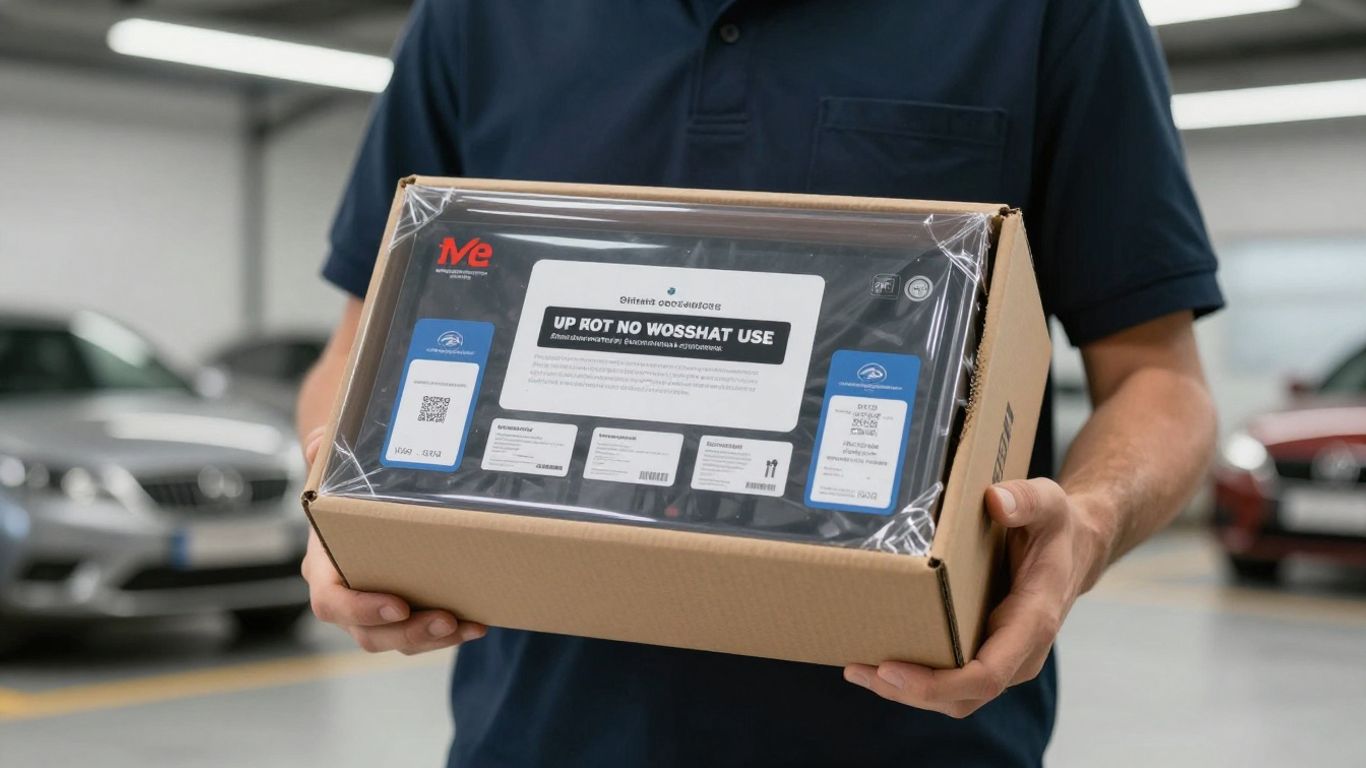
Navigating the world of automotive supply can feel overwhelming, but clarity exists for those who know where to look. Establishing a relationship with a certified dealer network is the most effective method for ensuring that the items you receive are authentic and warrantied. Understanding the markings and packaging associated with official goods provides an additional layer of verification before your mechanic begins the work.
Detecting counterfeit packaging
Check for inconsistencies in printing, misaligned logos, and flimsy packaging materials that often hint at lower quality standards. Authentic items come in standardized boxes with clear indicators of origin and legitimate manufacturing details. If the packaging lacks a clear trail back to the manufacturer, proceed with caution and verify the source before proceeding.
Verifying dealer and OEM credentials
Genuine Volvo Parts for heavy equipment can be sourced through networks that prioritize transparency and rigorous oversight. A reputable dealer will always be able to confirm the pedigree of a part through their internal tracking systems. Always inquire about the origin of the supply if the retail channel appears disconnected from official distribution paths.
Reading part numbers and official branding
Each major component features a stamped part number and standardized branding that aligns with the manufacturer’s official database. Comparing these codes against the numbers found in your service manual or with a local dealer helps confirm authentication. If a part lacks these specific identifiers, it is often a sign that it is not intended for the high-performance demands of your vehicle.
Warranty implications of using non-genuine parts
Understanding the legal and technical boundaries of your vehicle’s coverage is essential for financial protection. Replacing vital mechanical systems with untested alternatives can often lead to unintended disputes regarding your repair coverage. Maintaining a record of using official components is one of the best ways to keep your coverage active.
Understanding Volvo factory warranty terms
Your warranty is a contract that depends on the vehicle being maintained with equipment that meets the manufacturer’s performance requirements. Adhering to these terms by choosing the correct components ensures that you remain within the safety net provided by the factory. Neglecting these requirements can lead to complications if a major mechanical failure occurs.
Potential risks of voiding coverage
When a failure occurs that can be traced back to an unauthorized part, the manufacturer may deny coverage for the subsequent damage. This creates a difficult situation where the cost of a major repair falls directly on the owner rather than the manufacturer. Being mindful of these risks is a prudent way to manage your vehicle’s economic health.
Comparing original parts versus aftermarket options
Owners often look for ways to reduce costs, but the path to savings looks different when considering total vehicle health:
- Research the cost of original components against short-term savings.
- Consider the time spent on repeat repairs when parts fail prematurely.
- Identify local dealers who offer competitive pricing for service customers.
- Document every installation to keep your vehicle’s maintenance history coherent.
These considerations help owners move past the sticker price to recognize the real value of long-term reliability.
Long-term cost savings with genuine equipment
True economy in automotive maintenance is measured by the total cost of ownership rather than the initial transaction price. While some generic parts may offer a lower entry point, they often disguise the hidden expenses associated with frequent replacement cycles and potential mechanical instability. Investing in components that function correctly the first time avoids the accumulation of labor and secondary repair costs.
Calculating total cost of ownership
When you factor in how long a premium part lasts compared to an inexpensive one, the fiscal advantage of the official choice becomes clear. A part that requires replacement every six months effectively costs four times as much over two years due to labor and re-procurement. Reliability serves as a hedge against labor inflation and the increasing difficulty of sourcing quality repairs.
Avoiding repeat repair costs
Consistent performance helps you avoid the dreaded cycle of mechanical failure where one failing component stresses others. When you use proper hardware, systems remain synchronized, preventing the ripple effect that often leads to unexpected workshops visits. Keeping the original structural integrity intact ensures that mechanical stress is distributed across the vehicle exactly as the engineers intended.
Reducing vehicle downtime through reliability
Reliability is the ultimate benefit, giving you the peace of mind that your vehicle will be ready whenever you need it. By choosing components that meet rigid quality requirements, you reduce the time your vehicle spends in the shop. This efficiency allows you to spend more time behind the wheel, where the machine is best put to use.
Conclusion
Investing in components designed for your car is the most effective approach for those committed to ensuring their vehicle remains safe and roadworthy for many years. When you choose the path of official quality, you are effectively protecting the engineering effort that defined the vehicle on the day it was built. This commitment results in a driving experience that remains predictable, stable, and ultimately more affordable over the life of your vehicle.
Frequently Asked Questions
Do original parts always cost more than generic ones?
While the upfront price is often higher, official parts frequently offer a better value over time by lasting significantly longer and avoiding secondary repairs.
Can I install these components myself?
Self-installation is possible for many routine tasks, but complex mechanical systems often require professional expertise to ensure proper integration and safety.
How often should I inspect my vehicle’s parts?
Regular inspections should be performed during every scheduled service, with more frequent checks based on your specific driving habits and road conditions.
Does using genuine components affect my insurance?
Some insurance providers prioritize repairs conducted with original equipment, which can influence how your vehicle is valued if a major accident occurs.
Are there specific parts I should only ever buy from a dealer?
Critical safety hardware involving braking, steering, or engine management systems should be sourced from verified channels to ensure your protection.
What if I cannot find a part locally?
Most authorized networks can quickly arrange shipping from a central warehouse, ensuring you do not have to settle for a poor-quality substitute.
Do these parts come with their own warranty?
Official components typically feature individual warranties that cover defects in materials or workmanship, adding an extra layer of protection to your purchase.