

Key Takeaways
- Aftermarket components often provide substantial cost savings compared to original equipment manufacturer parts.
- Warranty coverage can be complex when modifying vehicles, so always consult your owner manual guidance.
- Quality assurance requires verifying certifications and sourcing from well-regarded vendors.
- Performance enhancements and cosmetic styling are popular ways to personalize your driving experience.
- Documenting every installation helps maintain your vehicle service history and preserves total resale value.
The benefits and risks of choosing aftermarket Volvo parts
Deciding between various replacement components requires understanding the balance between upfront investment and long-term durability. Many owners seek out aftermarket Volvo parts to manage rising maintenance costs while keeping their cars on the road. Navigating this choice effectively means knowing which systems perform best with non-factory parts versus where OEM precision is non-negotiable.
Cost savings versus OEM performance
Aftermarket components typically hit the market at a price point significantly lower than factory-branded equivalents. While the savings are clear, the performance trade-off depends entirely on the specific part type and the manufacturer engineering standards. Performance-oriented drivers often find that high-quality aftermarket kits exceed stock capabilities, while budget-focused owners prioritize the sheer affordability of standard replacements.
Impact on vehicle warranty coverage
Installing non-factory parts does not automatically void your entire manufacturer warranty, but it can complicate claims if a modification directly causes a related system failure. Manufacturers generally look for a causal link between the aftermarket part and any mechanical issues before denying service. Keep detailed records of your parts and installation methods to demonstrate that your choices met industry standards and did not introduce unnecessary risk.
Identifying reliable aftermarket manufacturers
Reliability is best confirmed through historical track records and industry certifications rather than marketing claims alone. Top-tier manufacturers often replicate the exact specifications of original components, sometimes even improving materials to address known factory weaknesses. Researching the reputation of a brand within specialized Volvo groups helps filter out low-durability options that fail to meet expected safety and performance metrics.
Common categories of aftermarket upgrades for Volvo owners
Upgrading your vehicle allows you to tailor the driving dynamics and aesthetic appeal to fit your personal preferences. Whether you focus on daily utility or weekend performance, there is a wide range of components available to refine every aspect of your car.
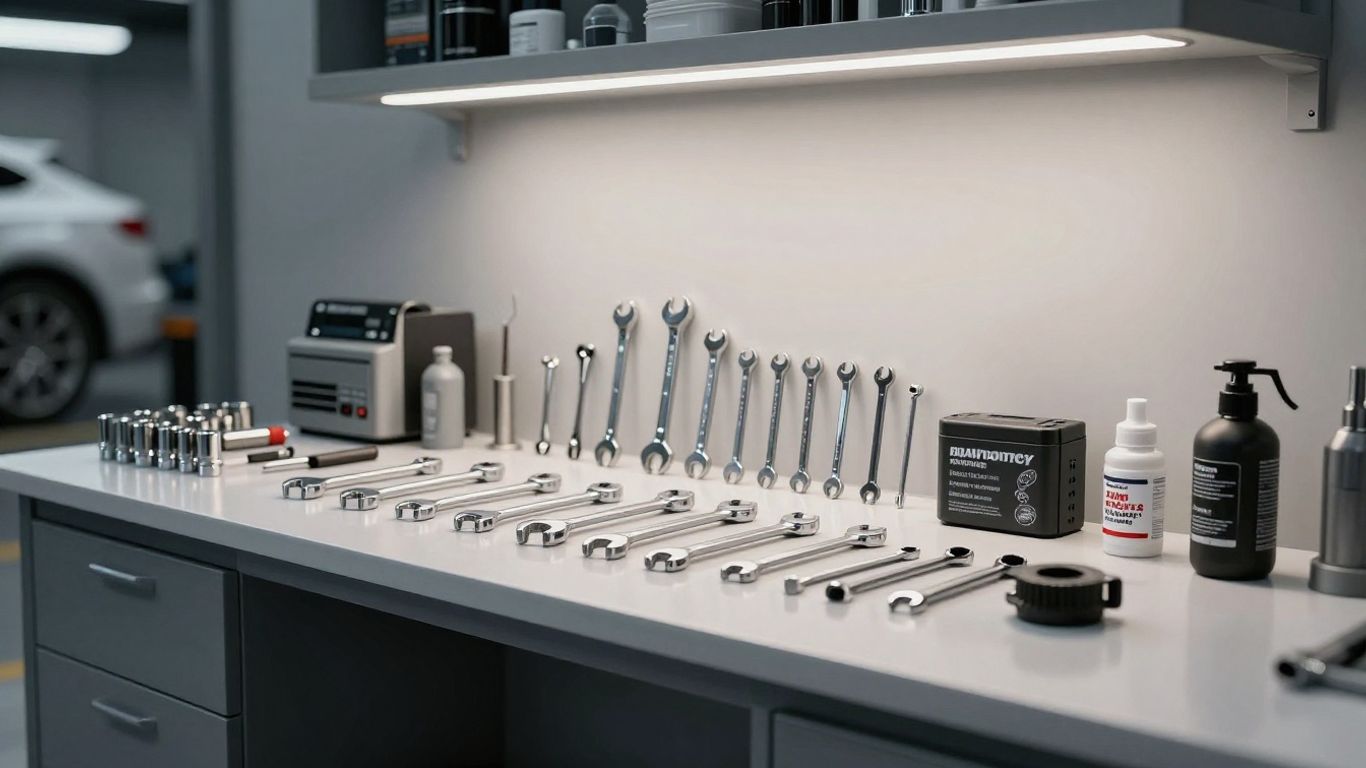
Performance tuning and ECU software
Engine control unit software modifications alter parameters like air-fuel ratios and timing, which can significantly unlock hidden engine potential for a smoother ride. These digital upgrades are often preferred by enthusiasts seeking more responsive throttle inputs and increased power output. Users must ensure that the software has been specifically tested for their specific engine calibration and transmission setup.
Suspension and handling improvements
Upgrading your chassis components is one of the most effective ways to change how the vehicle feels during cornering and braking. High-performance dampers and specialized bushings can transform ride quality from standard comfort to a more planted, track-tuned experience. Many drivers opt for ViVA Performance kits to gain tighter steering response without sacrificing too much comfort for daily commutes.
Cosmetic and exterior styling accessories
Exterior enhancements like window trims, body spoilers, and custom wheels allow for a unique visual signature that stands out on the road. These parts are typically the easiest to install, providing immediate style upgrades that can improve both appearance and aerodynamics. High-quality materials like carbon fiber or high-grade polyurethane ensure that these accessories endure harsh weather conditions without fading or cracking over time.
Heavy-duty components for high-mileage vehicles
As cars age, certain mechanical parts require replacement to prevent catastrophic failure or performance degradation. Investing in heavy-duty alternatives for components like radiators, hoses, and suspension joints can significantly extend the usable lifespan of a high-mileage vehicle. Suppliers such as Volvo Trucks USA provide a variety of options that emphasize long-term uptime and durability for older systems.
Assessing quality in aftermarket parts
Evaluating the manufacturing standards behind a replacement part is a critical step in maintaining your car. A thorough quality analysis helps avoid potential safety hazards that sometimes stem from using cheaper, poorly engineered alternatives. You should always look for transparent documentation regarding testing protocols before finalizing a purchase.
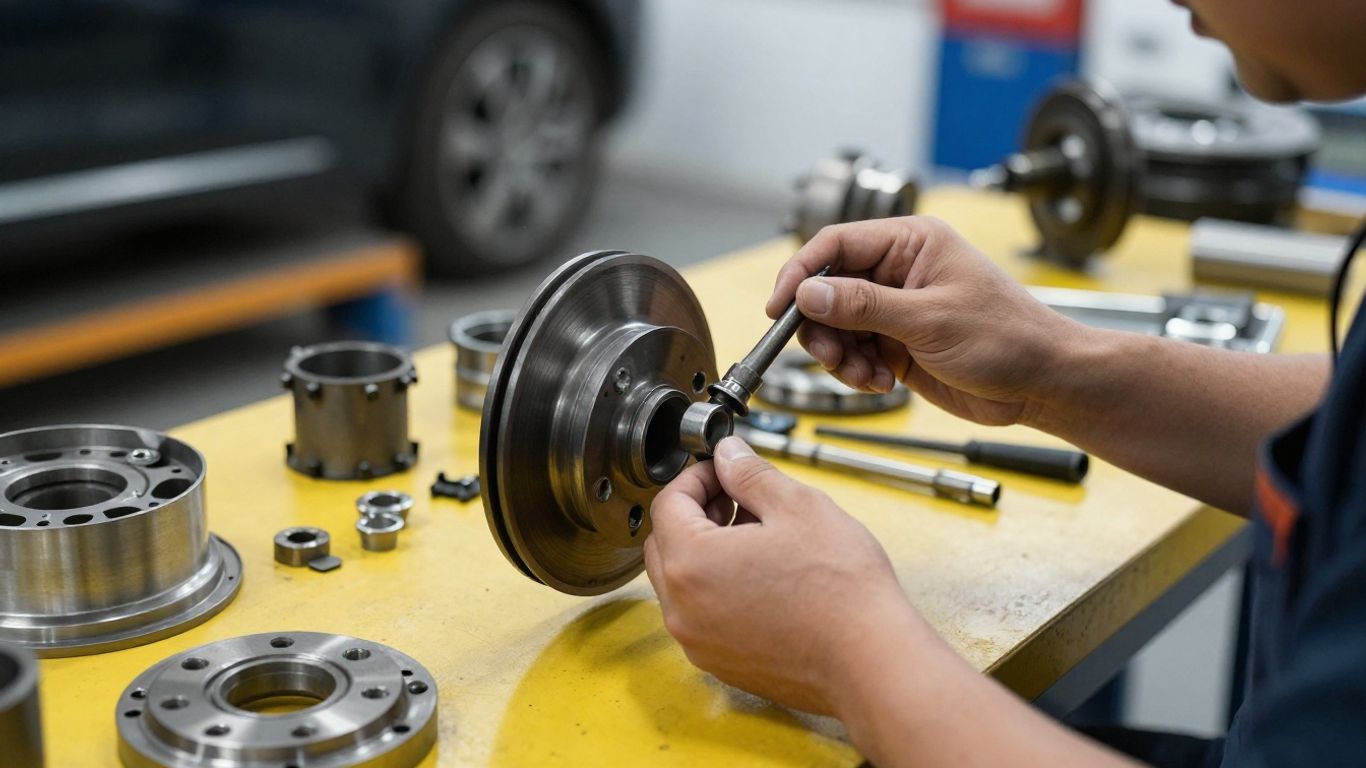
Understanding aftermarket versus OEM versus OES
Original Equipment Manufacturer or OEM parts are produced by the direct factory supplier, while Original Equipment Supplier or OES parts are produced by the same manufacturer but sold in their own branding. Aftermarket parts come from third-party companies that may produce identical replicas or completely redesigned parts for unique needs. Understanding the distinction helps in choosing the right path for your specific service project.
Reading certification standards and testing labels
Always check for certifications like international quality management standards or specific regional safety compliance markers. These labels serve as verifiable indicators that the manufacturer follows rigorous testing procedures for fitment and material fatigue. Avoid parts that lack clear testing documentation or those that claim to be universal across wildly different vehicle architectures.
Evaluating customer reviews and community feedback
Actual user experiences provide the most honest insight into how a part performs after months or years on the road. Look for recurring reports of fitment precision or unexpected degradation in long-term performance. Engaging with SwedeSpeed discussions often reveals practical installation tips that you will not find on official product pages.
Checking compatibility with specific Volvo vehicle models
Verification is essential because even minor generational changes can render a part incompatible with your specific chassis or engine trim. The following reference table outlines typical factors in compatibility checks.
| Feature | Importance Level | Data Requirement |
|---|---|---|
| Chassis Code | Critical | Specific VIN match |
| Engine Trim | Moderate | Software versioning |
| Build Date | High | Factory updates |
Using accurate identifiers at every step of the sourcing process prevents the disappointment of purchasing incorrect parts that do not seat properly in your vehicle, which would otherwise complicate simple repairs and waste valuable labor hours.
Sourcing reputable aftermarket Volvo parts suppliers
Finding a trustworthy supply source is just as important as selecting the part itself. A reliable retailer provides authentic goods and professional support if you encounter problems during the installation phase or need advice on product compatibility.
Identifying authorized online retailers
Authorized retailers prioritize authenticity and often have direct relationships with major manufacturers, ensuring you receive genuine hardware instead of counterfeits. These sellers are characterized by clear return policies, professional contact channels, and transparent inventory descriptions. Shopping through vetted web stores reduces the risk of encountering shipping issues or receiving incorrectly specified kits.
Navigating specialty Volvo forums and enthusiast groups
Community forums often act as the primary resource for locating rare parts or finding the best deals on common maintenance items. These spaces provide a wealth of knowledge from experienced owners who have already navigated the trial and error of specific installations. Leveraging these networks also allows you to:
- Access detailed visual guides from experienced mechanics
- Find local meetups for in-person advice
- Buy and sell used parts from trusted community contributors
- Keep track of group-buy opportunities for expensive performance hardware
When you participate in these digital spaces, contribute your own findings to maintain the cycle of knowledge, ensuring that other owners have the benefit of your direct experience with specific part brands and installation challenges.
Red flags indicating counterfeit or low-quality goods
Watch carefully for warning signs like prices that are significantly cheaper than competitors, blurry product photos, or missing manufacturer contact information. Counterfeit parts often lack factory-style protective packaging and may show signs of shoddy casting or poor material finishing. Relying on reputable sources is far cheaper than dealing with the damage caused by a substandard part failing while driving.
Best practices for installing aftermarket components
Even the best parts will fail to perform correctly if they are not installed using the proper mechanical techniques. Taking the time to prepare your workspace and gather the right diagnostic equipment will lead to much more reliable results.
Essential tools for Volvo DIY repairs
Equipped with a basic set of hand tools including calibrated torque wrenches and specialty sockets, an owner can handle many maintenance tasks easily. Having EuroSportTuning.com references on hand for specialized hardware needs can also streamline your workflow significantly. Never force a bolt or fastener, as this can easily strip threadings that are difficult to fix in confined spaces.
Understanding wiring and sensor integration
Modern cars rely on sensitive sensor networks, and any electrical intervention requires careful attention to wiring diagrams and ground integrity. Ensure that all electrical connections are properly shielded and secured to move properly with the vehicle. Ignoring the specific pin configurations on aftermarket sensors can lead to error codes and improper engine management that is hard to diagnose later.
When to seek professional mechanical installation
While DIY appeals to many, some critical systems such as high-pressure fuel injectors or advanced transmission work demand the experience of a trained mechanic. Utilizing Kaplan Law Group guidance regarding liability if something goes wrong is wise, but focus primarily on your own safety and the car integrity. Professional installation provides a warranty on the labor performed, which is an invaluable insurance policy for complex modifications.
Documenting installations for resale value preservation
Keeping an organized file of your work is essential for protecting your investment in the long run. Document the date, mileage, brand, and vendor for every aftermarket part you install on your vehicle. Including this documentation in your service folder serves as a clear indicator to future buyers that you approached the maintenance of your driveway maintenance protocols and, ultimately, your vehicle with genuine care. For more technical insight, you can also consider how cold plunges differ from Signature Solitaire Collection or moringa leaf suppliers in terms of supply chain reliability, or simply watch a detailed breakdown here.
Conclusion
Successfully modifying your vehicle with aftermarket enhancements requires a thoughtful approach to quality and installation standards. By focusing on reliable parts, verified compatibility, and meticulous record-keeping, you can effectively manage the costs of ownership while enjoying a personalized driving experience that stays reliable for many miles to come.
Frequently Asked Questions
How often should I check my aftermarket part connections?
It is advisable to inspect all critical aftermarket connections every six months or at every oil change interval to ensure that vibrations have not loosened any hardware.
What should I do if my aftermarket part does not fit?
Immediately stop the installation process to prevent damage to surrounding housing, check the part number against your vehicle build date, and contact the retailer for a return or exchange.
Do aftermarket parts automatically decrease vehicle value?
Most high-quality upgrades do not hurt resale value, provided they are professionally installed, but extreme visual modifications can sometimes narrow the pool of potential buyers.
Can I mix and match aftermarket and OEM parts?
Yes, many owners successfully combine aftermarket performance kits with OEM maintenance items to achieve a balance of increased handling and factory-level reliability.
Are aftermarket electronics safe for my vehicle?
Provided that the hardware uses factory-style connectors and does not strain the existing electrical wiring harnesses, most modern aftermarket electronics are safe.
How do I know if an aftermarket part is certified?
Check the packaging or the manufacturer website for compliance labels that show the part has passed international quality management and safety testing requirements.
Is it safer to buy from a local store or an online site?
Both paths offer benefits, but online retailers typically carry a broader selection; ensure any online shop you choose has a strong reputation for authenticity and transparent return policies.