
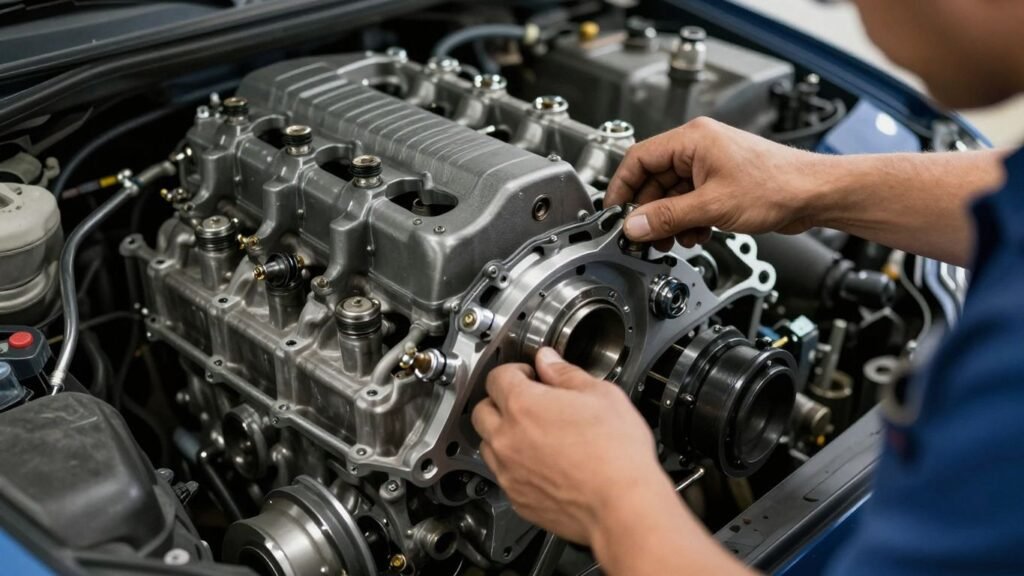
Key Takeaways
- Opting for salvaged components maximizes automotive value while supporting sustainable recycling efforts.
- Reliable sourcing requires vetting vendors for quality guarantees and specialized knowledge.
- Inspecting mechanical integrity, such as drivetrain health and electrical status, is vital before purchase.
- Correct model fitment often relies on VIN-specific lookup tools to ensure total compatibility.
- Properly preparing parts for installation often prevents premature failures and ensures safe vehicle operation.
1. Understanding the benefits of choosing used Volvo parts
Cost-effectiveness compared to new OEM replacements
Maintenance budgets can quickly spiral out of control when relying exclusively on brand-new factory components. Choosing high-quality used parts offers a substantial price reduction that keeps older vehicles roadworthy without breaking the bank. Owners often find that these components function identically to their new counterparts at a fraction of the investment.
Environmental impact of automotive recycling
Repurposing existing parts significantly reduces the raw materials and energy needed to manufacture new components. This approach effectively closes the loop on automotive waste, ensuring that functioning assemblies stay in use on the road rather than sitting in landfills. When you reuse parts, you help conserve the natural resources required for heavy industrial production.
Availability for discontinued or vintage Volvo models
Finding parts for older vehicles can be a hurdle, as manufacturers frequently phase out support for older designs. Specialized recyclers offer an essential lifeline by housing inventory that is no longer in production, allowing enthusiasts to complete restorations or routine maintenance.
2. Identifying reliable sources for used Volvo parts
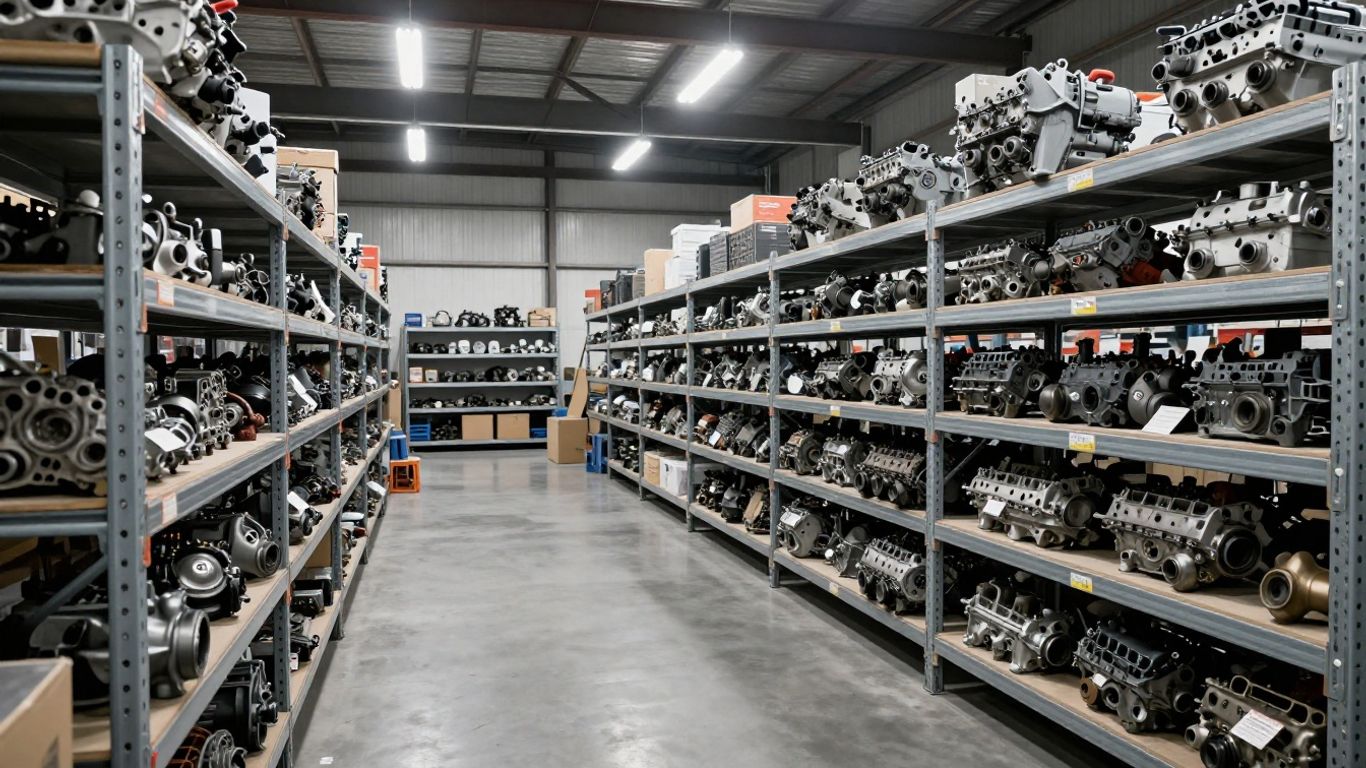
Evaluating specialized Volvo salvage yards
Working with vendors like the Erie Vo-Vo team allows you to access deep technical expertise that general scrapyards often lack. These establishments focus exclusively on the marque, meaning their staff understands the unique nuances of different series. Experts here frequently possess deep knowledge regarding what cross-fits between models, making them the best option for complex repairs.
Leveraging online marketplaces and enthusiast forums
Community-driven platforms remain a fantastic resource for sourcing rare items directly from other passionate owners. Enthusiasts often document the history of the donor vehicle, which adds a layer of transparency not always found in general commercial sales. It is here that you might find rare trim pieces or legacy accessories that have been carefully removed from retired daily drivers.
Vetting sellers for credibility and quality guarantees
Before finalizing any transaction, it is crucial to verify that the provider stands behind their inventory. Reputable sources like Chuck and Eddie’s provide peace of mind by thoroughly inspecting components before shipment and offering clear return policies. Always ask about the history of the donor car or if the part has been tested prior to its removal to ensure it is in pristine operational condition.
3. Essential components to inspect before purchasing
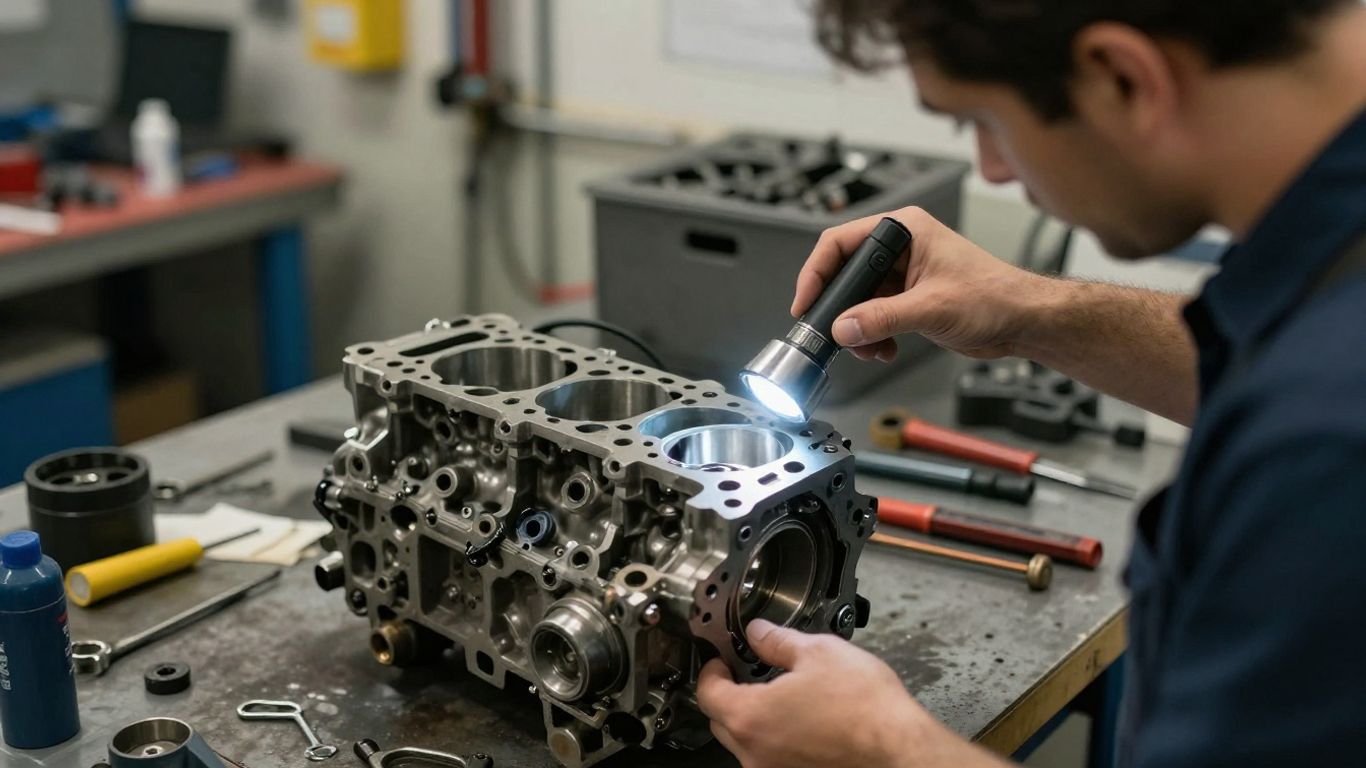
Assessing the condition of drivetrain and engine parts
Checking the core mechanicals requires looking for signs of abuse or neglect, such as sludge buildup or irregular metallic residue in fluids. When sourcing a transmission or engine, verify that the donor vehicle had a documented maintenance history if possible.
Verifying the integrity of electronic control modules
Modern vehicles rely on sensitive digital architecture, so verifying that modules are free from water damage or short circuits is essential. Many suppliers now test these units under load to ensure every signal path remains active. The following table summarizes essential checks to perform on electrical units:
| Component Type | Visual Inspection Point | Functional Verification |
|---|---|---|
| Control Module | Check for casing cracks | Run diagnostic self-test |
| Wiring Harness | Inspect for corroded pins | Check continuity resistance |
| Sensor Assembly | Look for housing damage | Verify output signal range |
Conducting these tests ensures that the part will function correctly once installed in your vehicle.
Identifying signs of wear in suspension and braking components
Suspension parts should show minimal rubber cracking or metal-on-metal wear on bushings and pivot points. Always prioritize components like calipers that have been properly cleaned and lubricated to ensure they do not seize under pressure.
- Check bushing integrity for excessive dry rot or oil contamination.
- Inspect metal surfaces for deep pitting or rust that compromises structural strength.
- Verify that all mounting points are straight and free from collision impact distortion.
- Confirm that moving joints provide smooth resistance throughout their entire travel range.
Taking these steps helps guarantee that your vehicle maintains factory-specified handling characteristics.
4. Verifying compatibility with your specific Volvo model
Deciphering Volvo part numbers and cross-referencing
Utilizing accurate part numbers is the surest way to avoid purchasing incompatible inventory. Manufacturers often revise component designs mid-model year, making visual matching secondary to catalog-based verification. Always cross-reference your specific part number against the manufacturer data to confirm it aligns with your chassis number.
Understanding VIN-specific parts and trim variations
Many components are keyed directly to your chassis, meaning a part that looks correct physically may lack the requisite electronic coding for your trim level. Consult resources like the Voluparts Web Store to see if a specific part is restricted to a certain production run, ensuring you don’t encounter software lockout issues during installation.
Confirming fitment across different production years
Fitment often spans several years, yet small revisions can prevent functional integration. Before purchasing, confirm that the environmental or mechanical specifications exactly match your original factory setup.
5. Professional tips for successful installation
Preparing used components for integration
Cleaning parts before installation prevents contaminants from entering sensitive systems. For example, ensuring that a used engine sensor is free from oily residue ensures accurate readings once you power up the vehicle, preventing unnecessary diagnostic errors.
Essential tools and safety precautions for DIY repairs
Safety is non-negotiable when working on heavy mechanical systems like the suspension or engine block. Always use industry-standard jack stands and high-quality hand tools that fit fasteners perfectly to avoid stripping bolt heads. Engaging in proper safety protocols protects both the integrity of the repair and your own well-being.
Knowing when to seek professional technician assistance
There are situations where the technical difficulty exceeds standard home-garage capabilities, particularly when dealing with proprietary software programming. If you find yourself struggling with intricate wiring or internal engine timing, reaching out to a certified technician is the wisest course of action. This ensures the component is calibrated correctly according to the Prestige Plumbing & Building style maintenance standards for precision.
Conclusion
Successfully sourcing and installing used components is a rewarding way to extend the lifespan of your vehicle while preserving its core character. By focusing on reliable vendors, performing thorough pre-purchase inspections, and validating compatibility through precise technical documentation, you can confidently navigate the aftermarket. Whether you are performing a simple swap or a complex repair, these practices ensure your vehicle remains reliable and safe for years to come.
Frequently Asked Questions
How can I determine if a used part is compatible with my specific vehicle?
Compatibility is best confirmed by cross-referencing your vehicle’s specific identification number against the part number marked on the replacement component.
Is it safe to install electronic parts salvaged from older vehicles?
Electronic units are generally safe if they have been tested for short circuits and moisture intrusion prior to sale, ensuring they are free from internal faults.
How should I store used parts if I am not installing them immediately?
Store all components in a climate-controlled, dry environment, preferably in sealed bags to prevent rust and corrosion from damaging sensitive surfaces.
What documentation should I ask for when buying major drivetrain components?
Always request any available service records or logs identifying the mileage and condition of the donor vehicle to establish a baseline for the part.
Are there specific parts that should always be bought new regardless of the situation?
Consumable items such as gaskets, seals, rubber hoses, and certain critical sensors are best purchased new, as they have limited service lives due to material degradation.
Can professional mechanics help me install parts I bought myself?
Many independent shops are willing to install customer-provided parts, but it is standard practice to discuss this policy with your technician before purchasing the item.
What steps should I take if a part arrives in worse condition than described?
Immediately document the damage with clear photos and contact the seller to initiate an exchange or return as per their stated quality guarantee policy.