
Key Takeaways
- Choosing between OEM and aftermarket depends on your budget and vehicle age.
- Your VIN serves as the primary tool for locating precise, model-specific components.
- Purchasing from authorized dealers often provides better warranty support.
- Regularly documenting maintenance keeps your vehicle’s resale value strong in the long run.
- Remanufactured components offer a sustainable and cost-effective alternative to brand-new parts.
Understanding your options
Selecting the right component remains the most important step in the repair journey. Whether you are dealing with everyday wear or a major mechanical failure, the path you choose to take directly influences how your engine performs over the following years. Understanding your options involves weighing cost, availability, and long-term reliability.
Original Equipment Manufacturer (OEM) vs. aftermarket parts
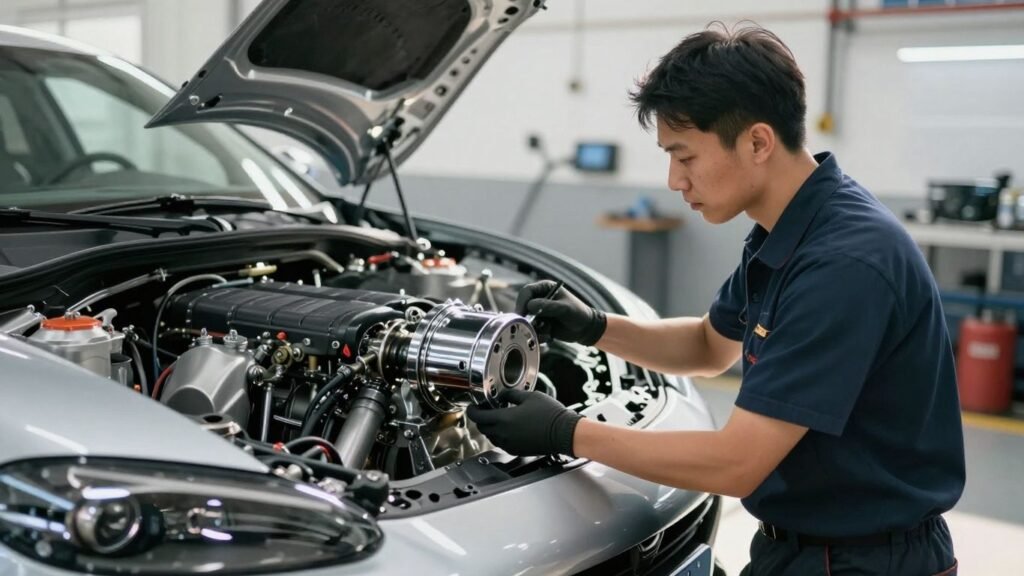
OEM components arrive built by the same manufacturer that crafted your vehicle, ensuring that specifications match exactly as intended at the factory. While Volvo Trucks USA produces high-quality components designed to keep your business running, some owners turn to aftermarket alternatives when cost savings are the priority. Deciding between these two often comes down to the critical nature of the part you are replacing.
Remanufactured components for cost-effective reliability
Choosing remanufactured parts effectively breathes new life into your vehicle without the expense of a new unit. These pieces go through rigorous inspection and testing to ensure they meet performance standards, providing a sensible path for many repairs. It is a smart way to manage your budget while keeping the car running well.
Risks of using low-quality counterfeit parts
Installing substandard components can lead to premature mechanical failure and safety issues that are better avoided. It is vital to recognize that low-quality counterfeit parts often compromise safety and potentially lead to secondary repairs that end up costing more than the original genuine component would have. Stick with reputable suppliers to ensure integrity.
Identifying the right part for your vehicle
Finding the perfect fit for your specific machine involves more than just a model name. You must ensure compatibility so that every bolt and sensor integrates perfectly with your engine management systems. By using the right resources and documentation, you can avoid the frustration of returning incompatible items.

Decoding your VIN for exact component matches
Your Vehicle Identification Number, or VIN, is the unique fingerprint of your car, containing critical build data that helps suppliers identify the correct hardware. By decoding this string of numbers, you ensure the parts you order match your specific manufacturing timeline and chassis level. This is the most accurate way to prevent ordering the wrong part.
Navigating official Volvo parts catalogs online
Professional online resources allow you to search through exploded diagrams that reveal how each screw and gasket fits into the larger assembly. Enthusiasts often visit the Volvo Penta Shop to browse genuine manuals and schematics that guide the ordering process. Utilizing these official tools provides a clear overview of the specific assembly required for your repair task.
Cross-referencing part numbers for accuracy
Sometimes an older part number may have been updated or superseded by a newer version over time. You should verify these changes to ensure you receive the most current revision available. A simple lookup table can verify the compatibility of various component series as shown below:
| Part Type | Compatibility Level | Replacement Interval |
|---|---|---|
| Cabin Filter | Model Specific | Every 15k miles |
| Timing Belt | Engine Specific | Every 100k miles |
| Brake Pads | Chassis Specific | Every 30k miles |
Cross-referencing keeps you from purchasing outdated hardware that might not fit the current revision of your vehicle’s engine block.
Where to purchase Volvo replacement parts
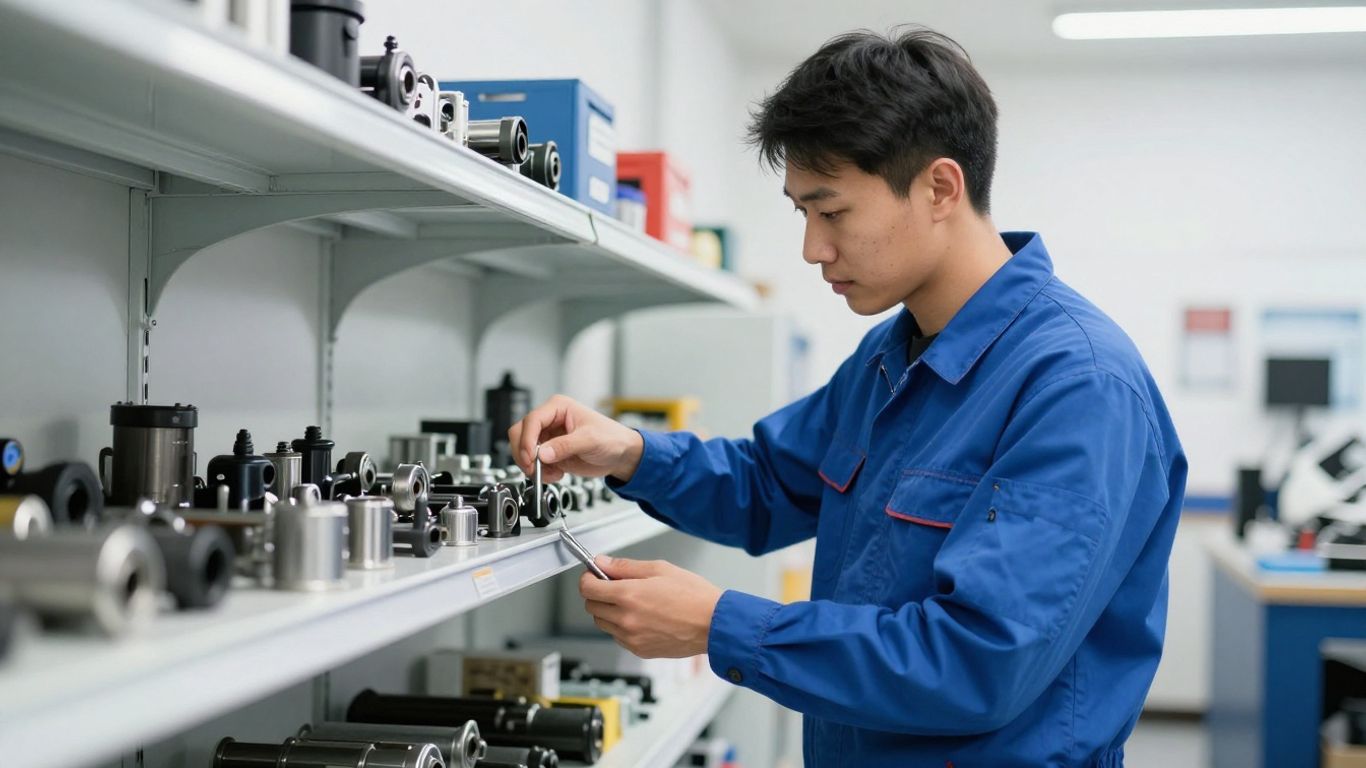
Sourcing these items effectively requires looking at the reliability, inventory depth, and shipping timelines offered by various providers. Whether you prefer the support of a dealership or the convenience of online shopping, knowing your source is half the battle.
Authorized dealerships versus independent distributors
Dealing directly with a dealership offers peace of mind because you receive factory-backed support and guaranteed fitment. Independent distributors might offer lower upfront pricing, though you lose some of the specific technical support found at a dealership. Most owners prefer to stick with authorized channels for complex electronic sensors.
Evaluating reputable online parts retailers
Finding a trustworthy internet merchant is similar to finding a professional AC repair service; you want consistent communication and verified customer feedback. Look for sellers who offer simple return processes and clear shipping expectations for your area.
Utilizing salvage yards for discontinued or legacy components
- Visit yards that specialize in European brands for better inventory.
- Inspect the physical condition of the donor part for rust or wear.
- Clean salvaged metal parts thoroughly before attempting any installation.
- Confirm whether the part requires specific software initialization before use.
Salvage yards are invaluable when you are planning a move that requires sourcing rare, discontinued items for an older restoration project. After gathering used items, you can sometimes use a QR code to quickly register your repair inventory online. You can also view this visual guide:
Warranty and quality assurance considerations
Understanding what happens if a new part fails is just as important as the purchase price itself. A solid warranty acts as insurance against defective manufacturing, protecting you from future labor costs associated with a repeat repair. Always check the guarantee terms before finalizing your cart.
Benefiting from manufacturer-backed OEM parts warranties
Genuine OEM components almost always feature the manufacturer’s backing, which provides a high level of security if something goes wrong. This coverage ensures that the cost of defective units remains with the supplier. It is truly the gold standard for long-term ownership.
Understanding aftermarket limitations and return policies
Many aftermarket manufacturers offer their own warranties, but these are often limited to the replacement of the part itself without labor coverage. Ensure you read the fine print before choosing the cheaper option. You might also want to use a HR zone calculator for your health, but for your car, only specific part return policies truly matter.
Ensuring compatibility with your specific Volvo model year
Even within the same decade, different model years can feature variations that prevent parts from being interchangeable. Always verify that the component is explicitly listed for your exact manufacture date or chassis code. Remember that when exploring motherhood or vehicle maintenance, being prepared is the key to minimizing stress.
Installation and maintenance best practices
Properly installing a component is just as vital as buying a genuine one. If the installation procedure is rushed or performed without the correct torque values, even a high-quality part will likely fail prematurely. Paying attention to detail saves time and money.
Deciding between DIY installation and professional service
Assess your own toolset and mechanical comfort level before deciding to tackle a job in your own driveway. If the task involves engine timing or high-voltage systems, a professional technician will always be the safer choice. Most drivers prefer letting a shop handle items that require complex calibration.
Knowing when to replace incidental hardware and seals
Replacing a major component often requires new gaskets, O-rings, and specialized fasteners that should never be reused. These small, low-cost pieces are essential for preventing future oil leaks or pressure drops within the delicate engine systems. Always keep extra hardware on hand during the repair process.
Keeping detailed service records to maintain vehicle value
Maintaining a folder of receipts and notes about every repair adds significant value when the time comes to sell or trade in your car. Future owners appreciate knowing that you invested in quality. This transparency demonstrates that you respected the machine’s engineering and cared for its long-term health.
Conclusion
By carefully distinguishing between quality options and following consistent maintenance routines, you ensure the longevity of your machine. Using your VIN for accuracy, choosing reputable sources for your purchases, and documenting every repair will keep your vehicle performing reliably for many thousands of miles to come.
Frequently Asked Questions
Can I use aftermarket parts without voiding my warranty?
Generally, using aftermarket parts does not automatically void your vehicle warranty, provided the part is not found to be the explicit cause of the specific failure you are claiming.
How do I locate my hidden VIN tag?
Your VIN is typically located on a plate on the dashboard near the windshield or on the driver-side door jamb, though you can also find it on your registration and insurance paperwork.
Is it always better to buy OEM?
Buying OEM is typically better for sensitive electronic or internal engine components, while aftermarket options can be perfectly adequate for cosmetic, body, or convenience accessories.
Why do my parts look different than the catalog image?
Manufacturers often update the physical appearance of components to improve function or manufacturing efficiency, meaning a new part may look slightly different from the original version.
What does remanufactured actually mean for quality?
Remanufactured parts are units that have been disassembled, cleaned, and updated with new wearable components to meet or exceed original factory performance standards.
Should I always change the incidental seals?
Yes, small seals and gaskets are usually compressed during the initial installation and will not form a proper seal a second time, making them a necessity for any repair.
How long should I keep my maintenance receipts?
It is best practice to keep all receipts for the entire duration of your ownership, as these documents provide proof of care that can increase the trade-in value significantly.