
Key Takeaways
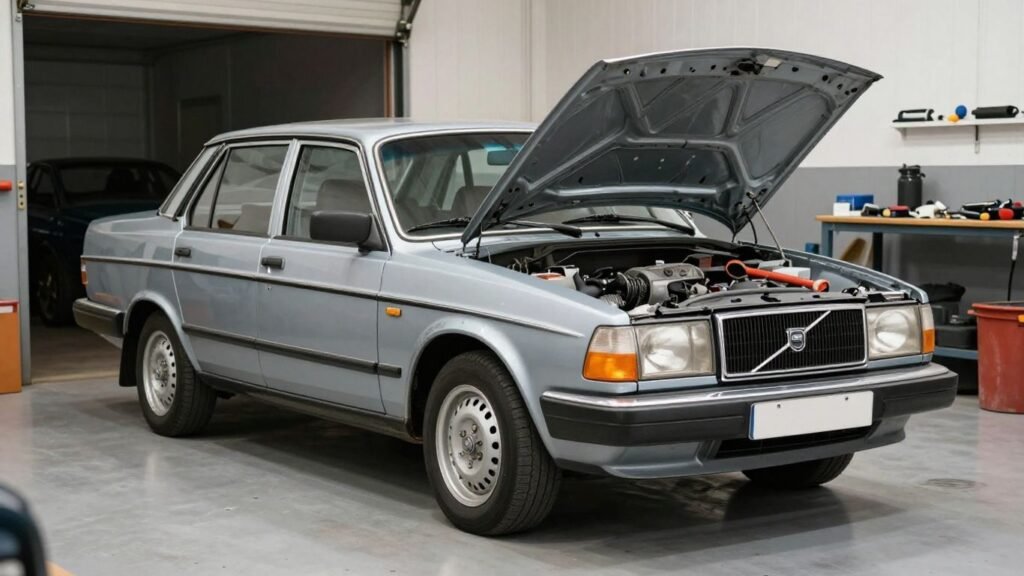
A Volvo 850 can remain a dependable, enjoyable car when replacement parts are chosen with care and installed methodically.
- Confirm the car’s year, body style, engine, transmission, and VIN before ordering.
- Prioritize safety and reliability items before cosmetic upgrades.
- Compare original, OEM, used, refurbished, and aftermarket components by condition and fitment.
- Check part numbers, seller policies, photos, and return terms before paying.
- Use careful installation and service records to prevent repeat repairs.
Understanding the Volvo 850 parts landscape
The Volvo 850 was sold in several configurations, and those differences still matter when sourcing replacement components. A part that looks right in a photograph may vary by production date, engine, transmission, body style, or equipment level. The safest approach is to treat every purchase as a fitment question, not simply a search for a familiar name.
Which Volvo 850 model years and body styles matter
The 850 range covers model years from the early 1990s through the end of production in the late 1990s. Sedans and wagons share much of their mechanical architecture, but body, trim, cargo-area, rear-door, and lighting parts can differ. Before searching, write down the model year, body style, market, and any major factory changes shown by the vehicle identification number.
A useful starting point is this Volvo 850 parts source, which is organized around 1993–1997 cars and discusses factory-new, used original, and aftermarket options. Even then, treat a catalog result as a lead rather than final proof of compatibility. Confirm the listing against the car itself and, where possible, the original part number.
Differences between sedan, wagon, and performance variants
The sedan and wagon may use many of the same engine, brake, and suspension components, but their rear bodywork and interior fittings are not interchangeable by default. Tailgates, cargo trim, rear wiper parts, load-cover hardware, and some exterior moldings are wagon-specific concerns. Sedans have their own trunk trim and rear-window details that should be checked separately.
Performance variants add another layer. Turbocharged cars, special suspension packages, and higher-output drivetrains may use different brakes, engine-management components, intercooling hardware, or transmission-related parts. Never assume that a component from a naturally aspirated 850 is suitable for a turbo model simply because the two cars share a body shell.
Original equipment, OEM, and aftermarket parts explained
Original equipment generally refers to the type of component fitted when the vehicle was built. OEM describes a part made by the original equipment manufacturer, although marketplace terminology is not always used consistently. Aftermarket parts come from other manufacturers and can range from excellent reproductions to inexpensive components with uncertain dimensions or materials.
The right choice depends on the part. A reputable aftermarket seal, filter, belt, or suspension component may be sensible, while a poorly documented electrical module can create difficult diagnostic problems. For a rare trim piece, a clean used original part may be preferable to a reproduction with the wrong finish or mounting points.
Common parts availability challenges for an older Volvo
Age changes the buying process. Some routine service items remain easy to locate, while model-specific trim, wiring connectors, control modules, and unmarked brackets may require patience. Listings can also use inconsistent names, old catalog numbers, or photographs of a similar but not identical component.
That makes documentation unusually valuable. A parts catalog covering engine, fuel, cooling, electrical, brakes, steering, suspension, body, and interior groups can help you identify the system before you search for the individual component. Keep screenshots, measurements, and photographs of the old part; those details often matter more than a broad keyword search.
Identifying the right Volvo 850 parts
Correct identification is the point where a successful repair usually begins. The car’s VIN narrows the possibilities, but it should be combined with engine information, transmission type, production details, and physical inspection. Taking five minutes to verify those details can prevent a long return process and a car left on stands.
Using the VIN and vehicle specifications
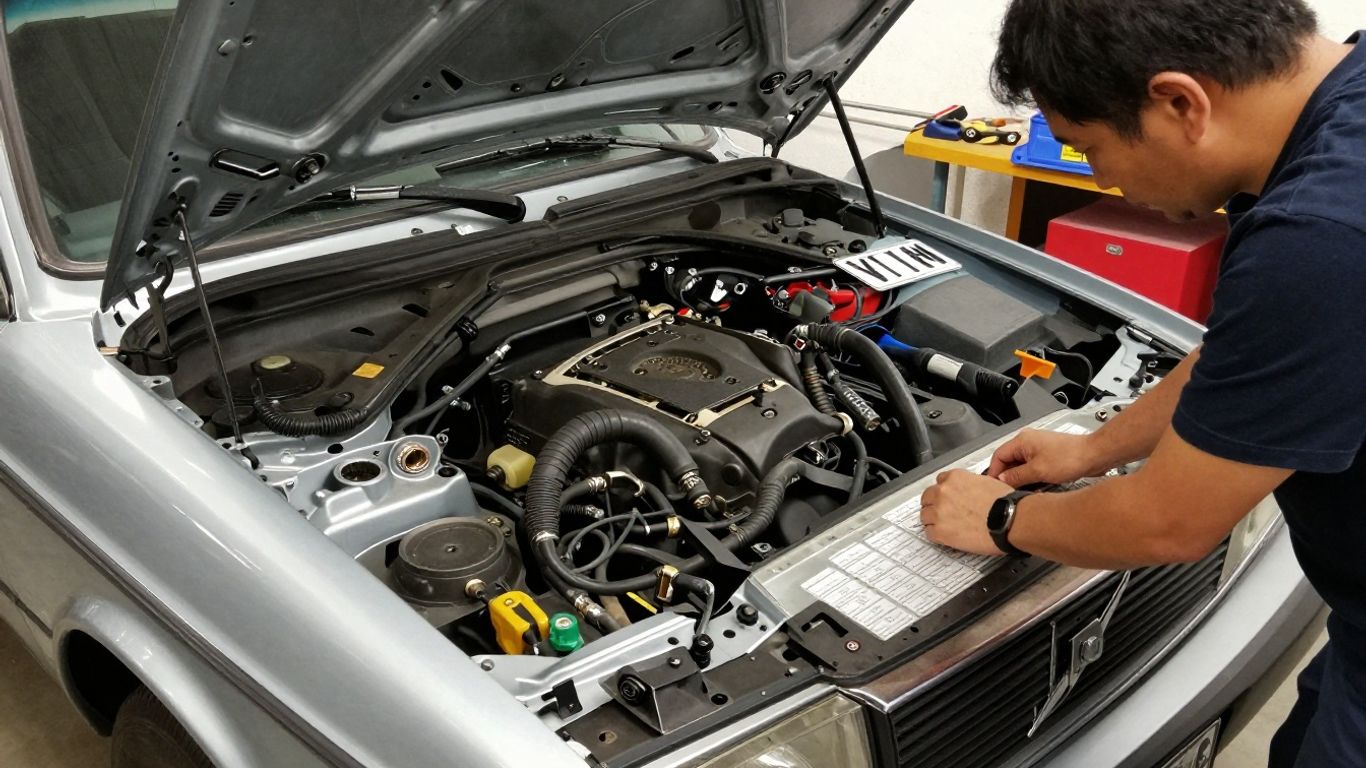
The VIN can help distinguish production period, market, body style, and factory configuration. Record it exactly, including every letter and number, then compare it with the vehicle plate, registration, and seller’s fitment notes. If the car has had a replacement engine, transmission, or front-end repair, the VIN alone may not describe every component currently installed.
Photographs are useful here. Take clear images of connector shapes, mounting tabs, hose routing, sensor plugs, and labels before removing anything. Those images give a supplier something concrete to compare and can reveal that a previous owner has already substituted a non-original component.
Matching parts by engine and transmission
Engine family and transmission are often more decisive than the badge on the trunk. A naturally aspirated engine, turbocharged engine, and different transmission types can call for different sensors, mounts, exhaust pieces, cooling components, clutch parts, or control modules. Automatic and manual cars also differ in pedals, hydraulics, shifter hardware, and related electronics.
When ordering, provide the engine code if available, transmission type, drivetrain details, and the old part’s number. For sensors and modules, compare connector design and calibration information rather than relying only on exterior shape. A component can physically install and still be electrically or mechanically wrong.
Checking trim, chassis, and production-year differences
Small revisions across the production run can affect brackets, switches, lamps, dashboards, suspension hardware, and body trim. The same model name may cover several wheel, brake, ride-height, or interior combinations. Options such as heated seats, sunroofs, climate equipment, and different audio systems create additional variations.
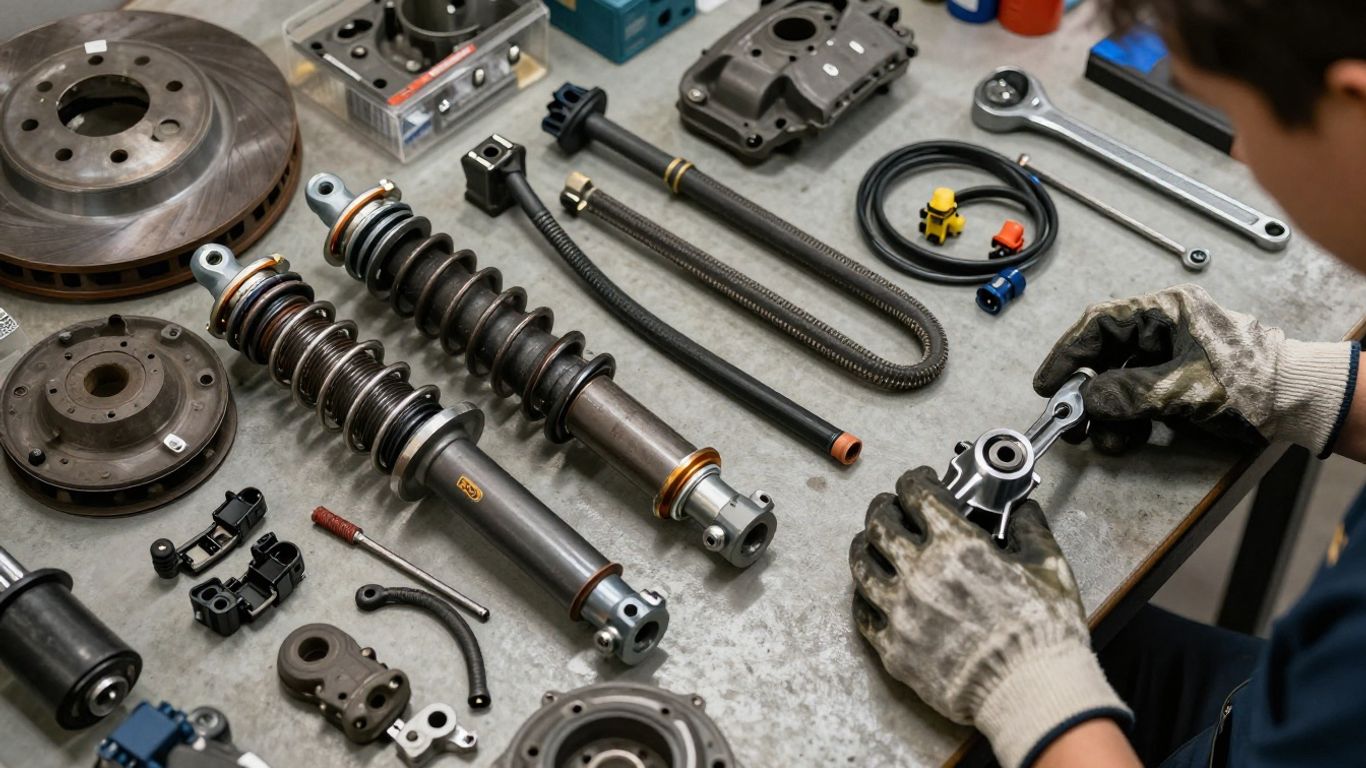
A practical check is to compare the replacement with the removed part on a clean workbench. Count mounting holes, measure overall length, inspect connector orientation, and compare rubber hardness or bushing shape where relevant. These checks are especially valuable when a listing says “fits all years” without supplying a detailed application table.
Cross-referencing part numbers and supplier listings
Part numbers are powerful, but they are not infallible. A superseded number may replace an earlier one, while a seller may list an internal stock number instead of the manufacturer’s reference. Search the number in several formats, compare photographs, and ask whether the listed number is the exact stamped number or a compatible replacement.
For a broader reference, the Volvo 850 catalogue organizes technical and maintenance information by systems such as engine, cooling, electrical equipment, transmission, brakes, steering, suspension, body, and interior. Use that structure to identify what you need, then verify the individual item with the supplier. A confirmed part number saves time when several visually similar components are available.
Essential Volvo 850 parts to prioritize
Not every worn component deserves immediate replacement, and not every attractive upgrade improves the car. Start with items that affect stopping, steering, temperature control, fuel delivery, visibility, and basic drivability. Cosmetic work becomes more rewarding once the underlying systems are sound.
Maintenance parts for reliable daily driving
Routine maintenance parts are the foundation of dependable use. Oil and air filters, spark plugs, belts, hoses, fluids, wiper blades, and other service items should be assessed according to age and service history rather than appearance alone. Rubber can harden internally, and a belt may be unsafe even when its outer surface looks acceptable.
Use the service record to establish what has already been replaced and when. If records are missing, inspect the component and plan a baseline service instead of guessing. Fresh, correctly specified maintenance parts make later troubleshooting much easier because they remove several unknowns from the car’s condition.
Brake, suspension, and steering components
Brakes, steering, and suspension deserve priority because deterioration in these systems affects control and safety. Inspect pads, rotors, hoses, calipers, wheel bearings, tie-rod ends, ball joints, strut components, springs, and bushings as appropriate for the vehicle. Uneven tire wear, pulling, vibration, knocking, and excessive play are clues that should not be ignored.
Replace related components in a coordinated way when their conditions are similar. For example, fitting new suspension parts while leaving severely worn hardware in place may produce an incomplete repair and make alignment difficult. After steering or suspension work, have the alignment checked using suitable equipment.
Cooling, fuel, and electrical system parts
An older car benefits from close attention to cooling and electrical basics. Inspect the radiator, hoses, thermostat, water-pump area, cooling fans, sensors, battery cables, grounds, fuses, relays, and alternator connections. Fuel lines, filters, pumps, and injectors also deserve inspection, particularly when the vehicle has been stored or driven infrequently.
A simple priority list helps keep a large project manageable:
- Repair active coolant, fuel, or oil leaks before cosmetic work.
- Test the battery, charging voltage, grounds, and major fuses.
- Replace visibly cracked hoses and degraded belts with correct specifications.
- Investigate warning lights and overheating symptoms before extended driving.
This order reduces the chance of damaging a newly installed component through an unresolved electrical fault or overheating problem. It also gives the owner a clearer picture of which parts are genuinely needed.
Interior, exterior, and body parts
Body and interior parts matter both for comfort and for preserving the vehicle. Door seals, window hardware, trim clips, bumper pieces, lamps, switches, seat components, and cargo-area fittings may be difficult to match from a generic description. Color, texture, left- or right-hand position, and body style can all change the correct choice.
For exterior restoration, Volvo 850 body parts can help frame the range of items that may be needed, from moldings and window hardware to bumpers, hood, doors, and other body components. Compare the listed piece with the car’s mounting points and finish before buying. Used trim is often worth considering when the original texture and shape matter.
How to evaluate Volvo 850 parts before buying
A low price is only useful when the part is correct and serviceable. Evaluate the evidence behind the listing: application data, photographs, measurements, condition notes, manufacturer information, and return terms. The more safety-critical or expensive the component, the higher the standard should be.
Assessing fitment and manufacturing quality
Begin with fitment, then consider quality. Check the exact year range, engine and transmission application, body style, position, and any required hardware. For used parts, ask about cracks, corrosion, heat damage, stripped threads, damaged connectors, and missing clips rather than accepting a vague “good condition” description.
Manufacturing quality can sometimes be inferred from finish and detail. Look for clean castings, even seams, consistent rubber molding, protected electrical contacts, and hardware that matches the intended installation. Reviews are useful only when they identify the same part and application; a positive comment about one vehicle does not prove compatibility with yours.
Comparing new, used, refurbished, and reproduction parts
New parts offer predictable condition but may vary widely in manufacture. Used originals can provide a better match for discontinued trim or electronic housings, though their remaining life must be considered. Refurbished components may be practical when the seller explains what was tested or replaced, while reproduction parts require close attention to dimensions and finish.
The best option often changes by category. A new consumable is usually easier to justify than a used belt, while a clean original body molding may be more valuable than a poorly matched reproduction. For a control module or transmission component, ask what testing was performed and whether the seller can identify the donor vehicle or rebuild procedure.
Reviewing seller information, warranties, and return policies
A reliable listing should identify the part clearly, state its condition, show useful photographs, and explain what vehicle information was used for fitment. Seller history matters, but a long sales history cannot replace precise answers to technical questions. Ask before ordering if the listing leaves out an engine code, connector detail, side designation, or production range.
Read the warranty and return policy carefully. Check who pays return shipping, whether restocking fees apply, how many days are allowed, and whether electrical parts are excluded. Save the listing and correspondence until the part has been installed and tested, especially when the item is expensive or difficult to access.
Recognizing counterfeit, incompatible, or poorly described parts
Warning signs include stock photographs used for every listing, copied descriptions with no measurements, unusually low pricing, missing manufacturer information, and pressure to buy before questions are answered. A part that arrives with damaged packaging, inconsistent markings, or an unexpected connector should be documented before installation.
Do not modify a questionable part simply to make it fit. Drilling holes, forcing connectors, trimming seals, or reusing incorrect fasteners can create a later failure and may remove your ability to return the item. When the description and the physical part disagree, pause, photograph the discrepancy, and contact the seller.
Buying Volvo 850 parts from the right sources
The best source depends on the component, the urgency of the repair, and the information available about the car. Specialists may know the application history, while marketplaces may offer rare used items. Salvage yards can be excellent for original body and interior pieces, but condition and removal methods require more scrutiny.
Volvo dealers and specialist parts suppliers
Dealers and specialist suppliers are useful when you need catalog support, superseded numbers, or advice on a difficult application. They may also provide clearer warranty terms and better packaging for fragile items. Availability can change, so ask whether the part is actually in stock or is being sourced from another location.
When contacting a specialist, send the VIN, model year, body style, engine, transmission, and photographs of the old component in one message. This reduces back-and-forth and makes it easier for the supplier to identify an alternative if the original number is no longer available.
Online marketplaces and enthusiast communities
Online marketplaces broaden the search, especially for discontinued trim, switches, wheels, and used modules. Enthusiast communities can add practical knowledge about revisions and common failure points, but advice should still be checked against the individual vehicle. A confident recommendation based on one owner’s car may not apply to every 850.
The search process benefits from the same discipline used in other technical buying decisions. For example, autonomous systems guidance discusses sensing, integration, control, safety, testing, and fault tolerance; those broad principles are a useful reminder to verify the whole system rather than judging one component in isolation. It is not a vehicle-parts reference, so use it only as general reading, not as fitment evidence.
Salvage yards and donor vehicles
A donor vehicle can provide original parts that are no longer regularly stocked, including body panels, interior pieces, brackets, wiring, and glass. Inspect the donor’s condition before removing anything. Water intrusion, collision damage, sun exposure, and long-term storage can make an apparently complete component unusable.
Record the donor’s year, body style, engine, transmission, and options. Photograph the installation before removal, label fasteners and connectors, and take fragile clips or brackets with the main part when possible. A low-cost item is not a bargain if the labor of removing and cleaning it exceeds its likely value.
How to compare pricing, shipping, and availability
Compare the total delivered cost, not just the listed price. Shipping can dominate the purchase for bumpers, glass, exhaust pieces, and large suspension components, while incorrect packaging can cause damage in transit. For small electrical or trim parts, a slightly higher price from a seller with clear photos and returns may be the safer choice.
A simple comparison table can keep decisions consistent:
| Check | What to record | Why it matters |
|---|---|---|
| Fitment | Year, body, engine, transmission, position | Prevents ordering a similar but incompatible part |
| Condition | New, used, refurbished, tested, damaged | Sets realistic expectations for service life |
| Total cost | Price, shipping, tax, core charge | Reveals the actual purchase cost |
| Protection | Warranty, returns, packaging, seller support | Reduces risk if the part arrives wrong or damaged |
After comparing these points, choose the listing with the strongest evidence rather than the lowest headline price. If a part is scarce, save the other credible listings and check them again after confirming the first choice’s details.
Installing and maintaining Volvo 850 parts
Good parts still require a careful installation. Read the service information, prepare the work area, and confirm that the replacement matches before dismantling more than necessary. Work safely around raised vehicles, pressurized systems, fuel, springs, and electrical circuits.
Parts owners can replace with basic tools
Many owners can handle routine filters, wiper blades, bulbs, battery connections, simple trim pieces, and some accessible hoses with common hand tools. The job should still begin with the correct replacement, a clean work surface, and enough time to deal with stuck fasteners. Photograph routing and connector positions before removal.
Basic tools are not a substitute for correct procedure. Use the proper socket or screwdriver, support components before removing fasteners, and avoid pulling on wiring or plastic tabs. After installation, check for leaks, secure routing, correct operation, and warning lights before returning the car to normal use.
Repairs that require specialist equipment
Brake bleeding, wheel alignment, spring or strut work, electrical diagnosis, fuel-pressure testing, and some bearing or bushing jobs may require specialized tools or a calibrated shop setup. Air-conditioning work also involves equipment and handling requirements that make professional service sensible. High-voltage ignition and fuel systems deserve particular caution.
If a repair affects steering geometry, braking balance, or structural mounting points, professional inspection is usually worthwhile even when the owner performs part of the work. A shop can verify torque, alignment, pressure, or electrical values that cannot be judged reliably by sight.
Preparing for installation and preventing damage
Before beginning, compare the new part with the old one, clean the mounting area, and gather replacement seals, clips, and fasteners that should not be reused. Support the vehicle on proper stands and disconnect the battery when the procedure calls for it. Keep fluids contained and dispose of them responsibly.
Never force a part into place because it is close in shape. Stop if a bolt pattern, connector, hose diameter, or bracket does not agree. A short pause for measurement is cheaper than damaging a new component or creating a fault that is difficult to trace.
The Chris Gulli Outreach page is unrelated to vehicle repair, but its documented focus on personalized cold email, social outreach, and AI-powered prospecting illustrates a different kind of process discipline: define the target clearly before acting. For a Volvo repair, that means identifying the exact component before installing anything.
Keeping service records and planning future replacements
Record the date, mileage, supplier, part number, brand, warranty, and work performed for every repair. Add photographs when a component is unusual or when a modification changes the original configuration. These notes help future owners, make repeat ordering easier, and show whether a recurring fault is connected to one earlier repair.
Plan replacements around condition and access. If one aged hose has failed, inspect the others; if a suspension job requires substantial disassembly, assess nearby wear items before putting everything back together. Separately, a Xavier Luke Boutique guide about choosing jewelry for different occasions has no automotive authority, but its basic idea of matching a choice to its setting applies here: choose parts according to the car’s actual use, not a generic shopping list.
Conclusion
Finding the right Volvo 850 parts is less about chasing the cheapest listing and more about identifying the car accurately, comparing evidence, and installing each component with care. A clear record of specifications, part numbers, condition, and service history turns an aging vehicle into a manageable long-term project.
Frequently Asked Questions
Which Volvo 850 parts should be replaced first?
Start with components that affect safety and reliability, including brakes, tires, steering, suspension, cooling, belts, hoses, and basic electrical connections. Address leaks and overheating before cosmetic work.
Does the VIN identify every part I need?
The VIN narrows the vehicle’s original configuration, but it may not reflect replacement engines, transmissions, conversions, or previous repairs. Combine it with physical inspection and the old part number.
Are used parts a good choice for an older Volvo?
Used parts can be excellent for discontinued trim, bodywork, brackets, and some original interior components. Avoid parts with unclear condition, severe corrosion, heat damage, or unknown safety history.
How can I tell whether an aftermarket part will fit?
Check the exact application, dimensions, connector style, mounting points, position, and any stated production or engine restrictions. Compare photographs and ask the seller specific questions before ordering.
Should I buy original equipment or aftermarket components?
Neither category is automatically best. Choose based on the part’s safety role, quality evidence, availability, warranty, and the accuracy of the fitment information.
When should a repair be handled by a professional?
Use a qualified shop when the job involves spring compression, wheel alignment, brake hydraulics, fuel pressure, advanced electrical diagnosis, structural repairs, or equipment you do not have.
What records should I keep after installing a part?
Save the date, mileage, part number, supplier, condition, warranty, and installation notes. Include photographs and test results for unusual electrical, suspension, or drivetrain components.