

Key Takeaways
A grille affects more than a vehicle’s front-end appearance: it also helps manage airflow and shields parts behind the fascia. A careful fitment check can prevent surprises during installation.
- Match the grille to the vehicle’s model, year, and trim.
- Check for openings and mounts that accommodate front-end equipment.
- Inspect damage beyond the visible grille before deciding what to replace.
- Compare materials, included hardware, warranty terms, and return policies.
- Follow model-specific installation steps and check every attachment afterward.
1. What Volvo grilles do
A grille is a visible part of the front fascia, but it also has practical work to do. Its openings allow air to pass through the front of a vehicle, while its shape and mounting points need to work with the surrounding components. Understanding those roles helps when choosing a replacement or assessing damage. The right approach is to consider both function and appearance, rather than treating the grille as a purely decorative panel.
How the grille supports airflow and cooling
Air passes through the grille openings toward components in the front of a vehicle. The amount and direction of airflow depend on the overall vehicle design, so the grille should be the correct shape and configuration for its application. A damaged or unsuitable replacement could obstruct openings or sit poorly against the surrounding fascia. When comparing options, look for a design intended to fit the specific vehicle rather than relying on appearance alone.
How it protects components behind the front fascia
The grille forms a barrier across part of the vehicle’s front, where road debris can strike. It does not replace the protection provided by components behind it, but intact grille sections can help screen the space they cover. After a strike, check for cracks, loose mounts, and signs that something behind the grille has also been hit. Look beyond the visible damage before deciding what needs attention.
How grille design affects a Volvo’s appearance
The grille occupies a prominent place at the front, so its pattern, finish, and outline can change the vehicle’s overall look. A close match to the existing trim tends to preserve the original appearance, while a different pattern or color gives the front a more noticeable change. Take a moment to compare the grille with the surrounding fascia, lights, and trim. Those pieces should look intentional together, not like separate choices.
2. Volvo grille types and styles
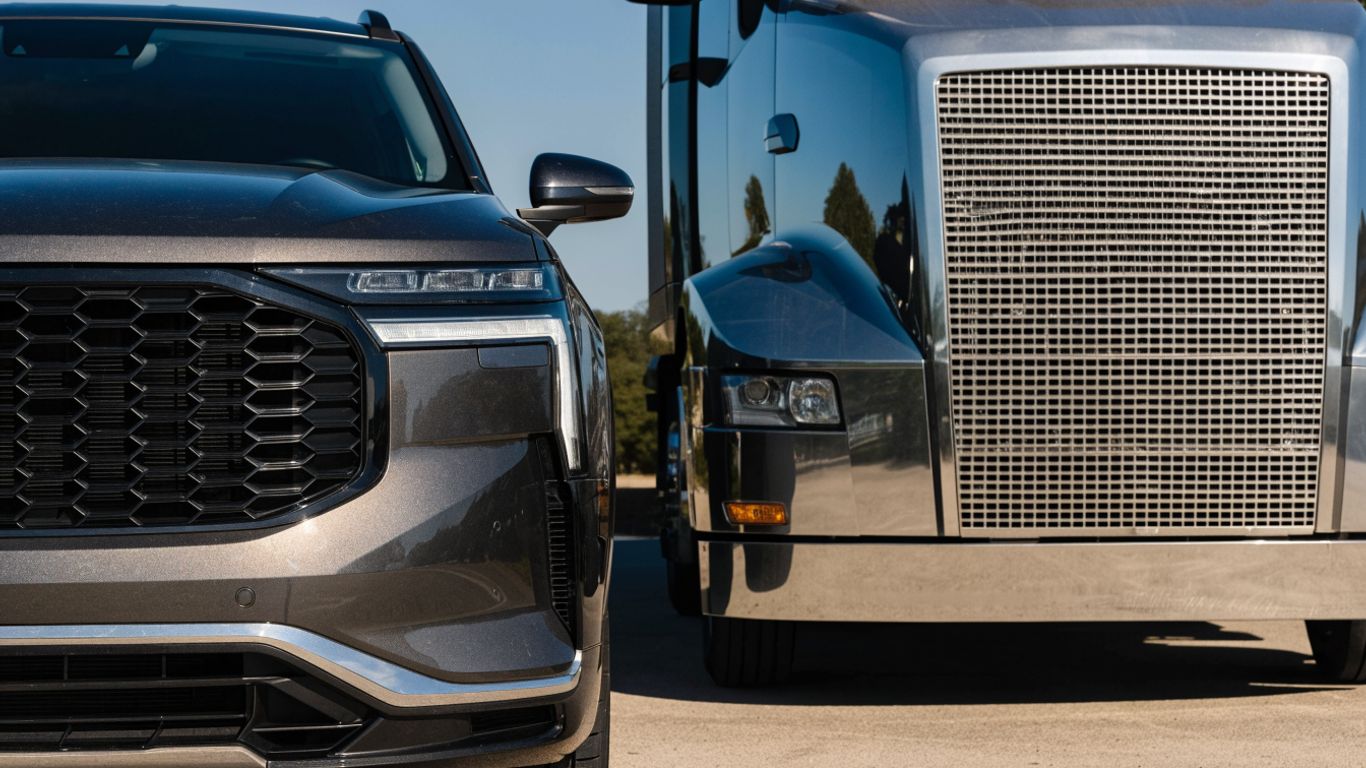
Grilles vary by vehicle type, dimensions, mounting method, and finish. A passenger vehicle grille and a heavy-truck grille may serve a similar broad purpose, but they are not interchangeable parts. The details matter even among vehicles with the same maker’s name. Before browsing by style, narrow the search to the vehicle and application you need.
Factory grilles for cars and SUVs
Factory-style grilles are designed to follow a vehicle’s original shape and attachment points. That makes them a sensible option when the goal is to restore the front end without changing its appearance. Still, “factory style” is not enough information to confirm fit: dimensions and front-end features can vary by model and trim. Check the exact application before treating a visual match as proof.
Grilles for Volvo VNL and other trucks
Truck grilles are larger front-end parts, and fitment depends on the truck’s model and production details. A grille listed for a particular VNL year range is a useful starting point, but confirm that the range includes the truck in question and that the mounting and finish suit the intended repair. For example, compare chrome grille options with the truck’s existing trim before choosing a replacement. Do not assume a part made for a car or SUV will suit a heavy truck.
Mesh, billet, and custom-style options
Mesh, billet, and other custom-style patterns offer different visual textures, but a style label does not establish compatibility. The grille still needs appropriate dimensions, mounting points, and openings for the vehicle’s equipment. Some listings show grille style options, which can help with visual comparison; verify each candidate’s fitment separately. A photograph can guide a preference, but it cannot confirm that a part will attach correctly.
Chrome, black, and body-color finishes
Finish is a visible choice, and the best match depends on the surrounding trim and the look you want to maintain. Chrome creates a brighter appearance, black tends to blend with darker trim, and a body-color finish can make the grille feel more integrated with the fascia. Compare the finish in photographs and, where possible, against the vehicle in daylight. Also check whether the listing describes the actual finish or simply shows a representative image.
3. How to find a grille that fits
Fitment research is easier when it starts with the vehicle rather than a preferred grille style. Model, year, trim, and front-end equipment can affect which part is suitable. Listings may group several years together, but a broad range is not a guarantee that every configuration is covered. Keep the vehicle details close at hand as you compare candidates.
Identify the Volvo model, year, and trim
Write down the full model name, model year, and trim before searching. If you are unsure of the trim or production details, check the vehicle documentation or confirm them with a parts professional. For a truck, include the exact model designation rather than searching only for a maker’s name. Specific information makes it easier to rule out listings that are close in appearance but intended for another application.
Check for changes between model years
A grille’s shape or attachment details can change between model years, including within a generation. Use the listing’s stated year range as a filter, then confirm that it applies to the specific vehicle rather than assuming neighboring years share the same part. If a purchase or repair depends on other details changing, it can help to understand mortgage approval changes as a separate example of why updated information may matter in a transaction; it does not determine grille compatibility. For the grille itself, rely on fitment information from the seller or manufacturer.
Match sensors, cameras, and other front-end features
Compare the grille’s openings and mounting areas with the equipment on the vehicle. Depending on the configuration, front-end features may include sensors or a camera, and the replacement needs to accommodate the parts actually present. A part that appears similar from the front may not have the right provisions behind the surface. Ask for clarification if the listing does not show the relevant mounting areas or describe compatibility.
Verify part numbers and fitment details before buying
Part numbers, stated year ranges, and application notes are more useful together than any one detail alone. Use a comparison table to keep candidates straight, and treat any blank or unclear field as a reason to ask a question before ordering.
| Detail to check | What to compare | Why it helps |
|---|---|---|
| Vehicle application | Model, year, and trim | Narrows the candidate list |
| Part number | Listing number and any known reference | Helps distinguish similar parts |
| Front-end features | Openings and mounting provisions | Checks for equipment compatibility |
| Included items | Brackets, badges, and fasteners | Clarifies what else may be needed |
A table cannot replace confirmation from a seller or manufacturer, especially when a listing covers several configurations. Use the information to identify gaps, then resolve them before purchase. Keep a note of the confirmed details in case you need to discuss fitment or a return.
4. When to repair or replace a Volvo grille
A small mark or loose section does not always mean the whole grille needs replacement. The right decision depends on where the damage is, whether the grille still attaches securely, and whether other components were affected. A careful inspection can reveal problems that are easy to miss in a quick glance. When damage follows an impact, assess the surrounding front end as well.
Signs of cracks, broken mounts, or missing sections
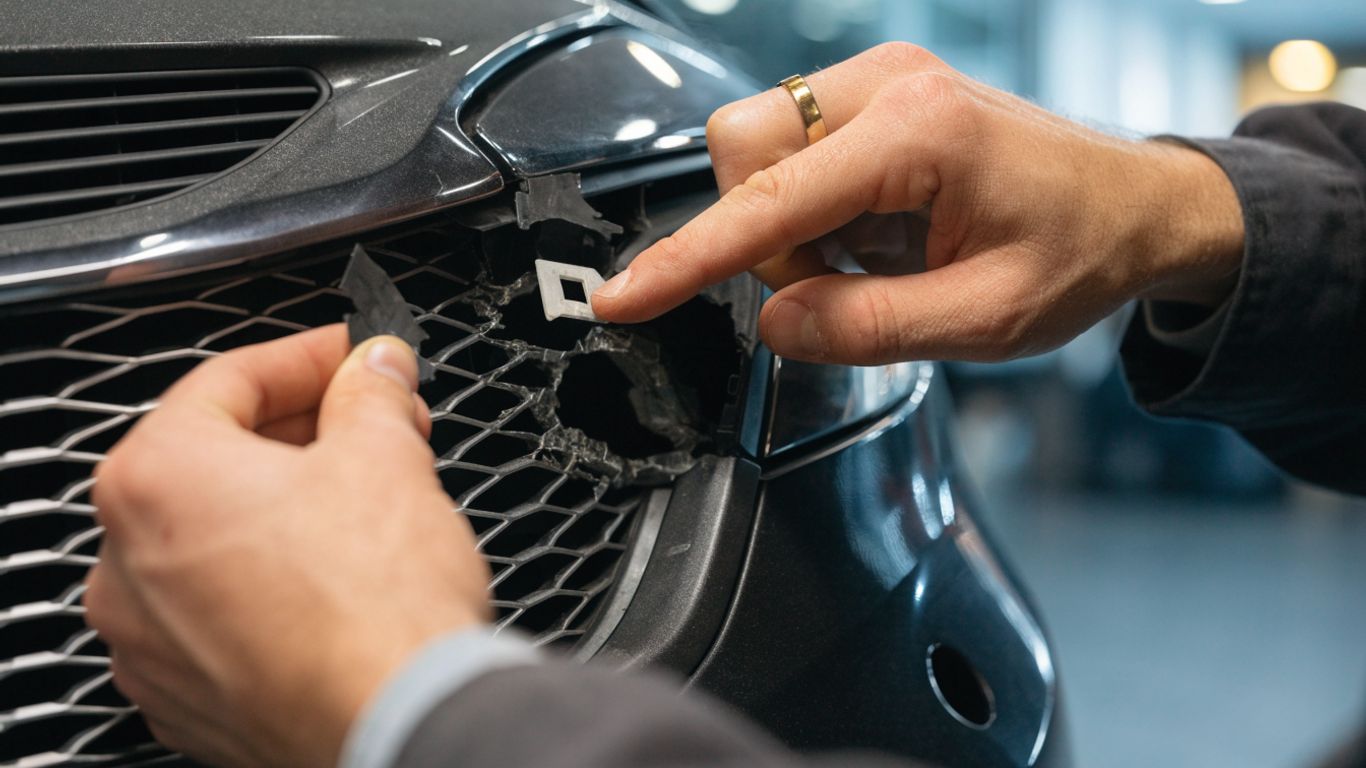
Look for cracks that extend from an edge or mounting point, broken tabs, loose sections, and missing pieces. Check whether the grille sits evenly and stays in place when inspected gently; avoid forcing a damaged part. Small surface marks may be cosmetic, while a failed mount can let a section move or detach. If the damage is hard to assess, ask a qualified repair professional to inspect it.
Damage that may affect airflow or expose components
Missing or displaced sections can leave areas behind the fascia more exposed and may change how air passes through the front. Check for debris, bent surrounding panels, or visible damage to components behind the grille. Do not assume the grille is the only affected part just because it is the most obvious one. If there are warning lights or other signs of a problem after an impact, arrange an appropriate inspection.
When a repair is practical and when replacement makes sense
A repair may be worth considering when damage is limited, the main structure remains sound, and the attachment points can be restored reliably. Replacement is often the clearer route when sections are missing, the grille is badly cracked, or mounts will not hold securely. Cost and availability also matter, but a low price is not a good reason to accept a part that does not fit. The decision should leave the grille stable and properly aligned.
What to inspect after a collision
After a collision, check the grille and the surrounding fascia for shifted panels, uneven gaps, broken fasteners, and scuffs that may hide cracks. Inspect nearby lights and any front-end equipment that could have been affected. A quick list helps keep the check focused:
- Look for gaps or panels that no longer align.
- Check the grille edges and mounting points for cracks.
- Note loose, missing, or bent fasteners.
- Look behind visible damage for signs of contact.
These checks can help you describe what you see, but they do not replace a professional assessment of collision damage. If anything is loose or appears affected behind the grille, avoid treating a cosmetic replacement as the whole repair. Get the surrounding area checked before fitting a new part.
5. Choosing a replacement grille
Once fitment is clear, compare the replacement options on more than their photographs. Construction, finish, included hardware, and seller terms can all affect whether a part is a good choice. Read the listing carefully, and ask about details that are missing rather than filling in the gaps yourself. A few minutes of checking can save time if the part arrives incomplete or does not suit the vehicle.
Compare OEM and aftermarket options
An original-equipment option and an aftermarket option can differ in finish, construction, packaging, and price. Neither label alone confirms that the part is right for a particular vehicle; fitment details still need checking. Compare the stated application and what is included, and read any return conditions before ordering. Where details are unclear, ask the seller to confirm them against the vehicle information.
Evaluate materials, finish, and build quality
Look closely at the grille’s material description, surface finish, edges, and mounting areas. Product photos can help reveal the pattern and visible finish, but they may not show the back of the part or the quality of its attachment points. Reading the listing alongside any available close-up views gives a fuller picture. If a finish needs special care, check that guidance before using cleaners or tools on it.
Confirm included brackets, badges, and hardware
Listings differ in whether they include brackets, badges, clips, or fasteners. Confirm what comes in the package and compare it with what the repair requires; otherwise, you may need to source missing items separately. If the existing grille has reusable pieces, ask whether they are intended to transfer and whether the replacement is designed for them. Keep the parts list in writing so expectations are clear.
Balance cost with warranty and return terms
Price is only one part of the purchase. Check the warranty, return window, condition requirements, and any shipping details that could matter if the part does not fit. If you’re also managing an online parts storefront, ecommerce service planning covers customer-service decisions more broadly, but it does not confirm product fitment. For the grille order, focus on the seller’s stated terms and get important fitment answers before checkout.
6. Installation and grille care
Installation requirements vary by vehicle, grille design, and the surrounding front-end parts. A careful approach helps avoid damage to paint, clips, and nearby equipment, but the correct procedure is the one specified for the vehicle. Set aside enough time to inspect the old grille as it comes off and compare it with the replacement. Do not force parts that resist or fail to line up.
Prepare tools and protect surrounding paint
Before starting, gather the tools called for in the model-specific instructions and prepare a clean, well-lit work area. Protect nearby painted surfaces with suitable covers, and keep fasteners organized as they are removed. Avoid prying against painted edges or using a tool that could slip into the fascia. If access requires removing other components, confirm the procedure before proceeding.
Follow model-specific removal and installation steps
Use instructions intended for the exact vehicle and grille rather than a generic sequence from another model. Removal may involve clips or fasteners that are not obvious from the front, so work methodically and note how each part is positioned. Compare the old grille with the replacement before installation. For an unrelated business resource, Xcan It describes managing dynamic QR codes; it offers no guidance on vehicle repair or grille installation.
Check that clips, fasteners, and sensors are secure
After fitting the grille, inspect its edges and mounting points to make sure they sit evenly and stay in place. Confirm that every required clip and fastener is secure, and check any front-end equipment that was disturbed during the work. Do not drive with a loose section or unresolved equipment concern. If something does not align, pause and recheck the part and instructions instead of forcing it.
Clean the grille and prevent finish damage
Use a cleaning method suited to the grille’s material and finish, and start gently. Abrasive pads or harsh products can mark a surface, especially if the finish is coated or polished. Rinse away loose grit before wiping so debris is less likely to scratch the grille. For routine care, check the maker’s guidance for the specific finish rather than assuming every cleaner is suitable.
While getting ready for a purchase, some readers may also be dealing with unrelated book cover design choices or reviewing Ultimify’s caller playbook; neither resource covers vehicle parts. Keep grille decisions grounded in the vehicle’s fitment details and the seller’s product information.
Conclusion
Choosing and fitting a grille is simpler when you start with the vehicle’s exact details, check the surrounding equipment, and assess damage before ordering. Compare the part’s fitment, finish, included hardware, and purchase terms, then follow the correct installation guidance. A grille should look right, fit securely, and suit the front end it is meant for.
Frequently Asked Questions
Do all grilles fit every trim of the same model?
No. Trim, model year, and front-end equipment can affect fitment, so verify the exact application before ordering.
How can I tell whether a grille is damaged beyond repair?
Check for extensive cracks, missing sections, and mounts that will not hold securely. When in doubt, have the damage assessed by a qualified professional.
Can I choose a grille based on appearance alone?
Appearance can help narrow your preferences, but it does not confirm dimensions, mounting points, or equipment compatibility. Check fitment details as well.
What information should I have before searching for a replacement?
Gather the vehicle’s model, year, trim, and any relevant front-end equipment details. A part number or reference from the existing grille may also help.
Should a replacement grille include mounting hardware?
Not necessarily. Check the listing to see whether brackets, clips, badges, and fasteners are included, and identify anything you may need separately.
Is it safe to drive with a cracked grille?
It depends on the damage and whether the grille is loose or other components were affected. Do not drive with an unsecured section; seek an inspection if the damage is significant.
How should I clean a grille without damaging its finish?
Rinse away grit first, use a gentle cleaning method, and avoid abrasive tools. Follow care guidance appropriate to the grille’s material and finish.