
Key Takeaways
Maintaining a vehicle requires understanding specific compatibility and component quality to ensure longevity. These core concepts summarize the essential steps for keeping your car in top condition.
- Use your Vehicle Identification Number to confirm exact part compatibility.
- Differentiate between older P3 architecture and modern SPA platform designs.
- Prioritize high-quality aftermarket or original equipment manufacturers over budget alternatives.
- Invest in proper diagnostic tools like VIDA to manage complex vehicle systems.
- Follow specific torque settings when installing safety-critical components like brakes or suspension.
Identifying the right Volvo V60 parts for your model year
Finding the correct components begins with understanding the specific documentation associated with your vehicle build. Each model year carries distinct engineering requirements that dictate the fitment and function of replacement items. When searching for Volvo V60 parts, clear identification prevents unnecessary returns and ensures a standard of reliability expected from the brand.
Decoding your VIN for precise compatibility
The Vehicle Identification Number is the definitive key to your car’s assembly configuration. By providing this seventeen-character code to your supplier, you ensure the parts pulled match your specific engine, transmission, and trim level. Do not rely on general model years, as mid-cycle updates often result in minor component variations that can cause installation issues if ignored.
Distinguishing between P3 and SPA platform components
Understanding whether your vehicle uses the older P3 chassis or the newer Scalable Product Architecture is vital. These platforms share very few mechanical components due to different engine mounting strategies and electrical systems. You must verify which architecture your specific car utilizes before ordering engine mounts or suspension arms, as a simple visual inspection is often insufficient for modern designs.
Locating part numbers on original equipment
The most reliable way to source a replacement is to match the part number stamped directly onto the old component. Many manufacturers label their parts in inconspicuous areas, such as the underside of an alternator housing or the inner flange of a plastic trim piece. Capturing these digits helps cross-reference high-quality alternatives when genuine units have been discontinued or are no longer cost-effective for an older vehicle.
Original equipment manufacturer vs. aftermarket parts
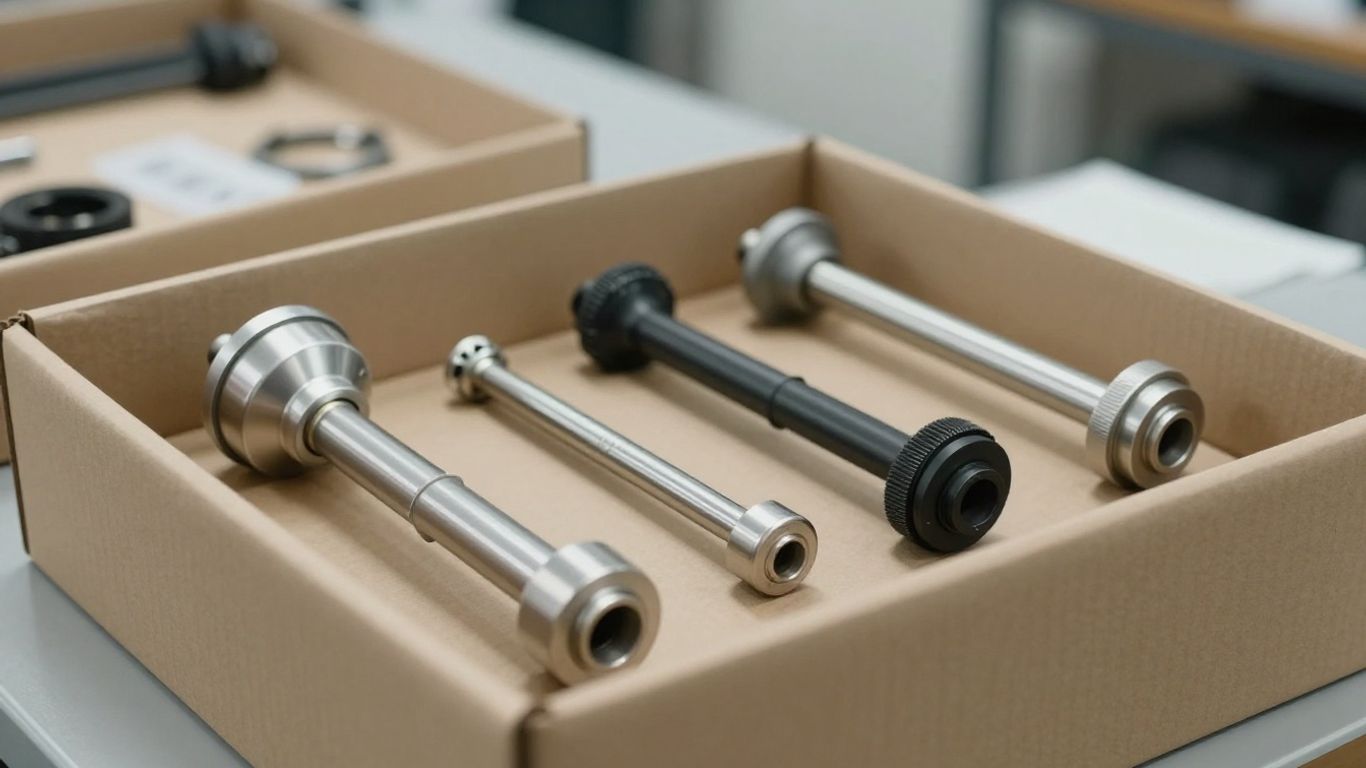
Choosing between genuine components and aftermarket alternatives involves balancing budget against long-term reliability expectations. While original equipment offers a guarantee of perfect fitment, several independent producers now meet or exceed these standards. Navigating this landscape requires a keen eye for quality rather than relying solely on the lowest price tag available on the web.
Benefits and drawbacks of using Volvo genuine parts
Genuine parts are engineered to meet the exact specifications defined by the factory team. This ensures that electrical sensors talk properly to the control modules and that mechanical fitments are tight tolerances for optimal silence and durability. However, the premium price for this validation can be significant, making it a difficult choice for older vehicles where the repair value might approach the car’s remaining worth.
Evaluating high-quality aftermarket manufacturers
Many aftermarket companies specialize in high-performance or durability-focused improvements that often improve upon the original design. Enthusiasts looking for performance upgrades often turn to ViVA Performance to find components that feel more robust or engaging than factory stock. These manufacturers are frequently the actual suppliers to the car brands themselves but offer their wares at a more accessible tier without an extra markup.
When to avoid budget-tier reproduction parts
Low-tier reproductions often sacrifice material quality to achieve a lower retail price. This frequently results in rubber boots that crack after a single season, plastic housings that fail at critical pressure points, or sensors that output inconsistent signals to the onboard computer. When maintenance involves safety or complex engine timing, the potential cost of a second replacement usually far exceeds the initial savings found on discount platforms.
Essential categories of maintenance parts for the Volvo V60
Regular service relies on identifying the components that regularly wear out compared to those that remain stable over the life of the vehicle. By tracking the intervals for these specific groups, you can plan your repair budget efficiently and avoid surprise failures that leave you stranded far from home. A systemic approach to parts management keeps your ownership experience worry-free.
Suspension components for improved handling
Suspension systems are subject to constant force and thermal cycling, leading to predictable degradation of bushings and struts. Replacing these items transforms vehicle dynamics significantly, often making the car feel new and responsive once again. The following table highlights common suspension parts and their primary functions for better clarity during your next service interval.
| Component | Function | Replacement Interval |
|---|---|---|
| Control Arm Bushings | Dampening road vibration | 60,000 – 80,000 miles |
| Strut Mount Bearings | Allowing smooth steering turn | 80,000 – 100,000 miles |
| Sway Bar Links | Maintaining stability in corners | 50,000 miles |
Critical engine filters and ignition system parts
Performance degradation often begins with restricted airflow or worn ignition components that cause microscopic misfires. Keeping your engine breathing efficiently requires periodic replacement of air, fuel, and oil filters with high-filtration paper or synthetic media. These simple steps are foundational if you want to maintain fuel economy and protect internal cylinder walls from premature scarring caused by particulate buildup over long durations.
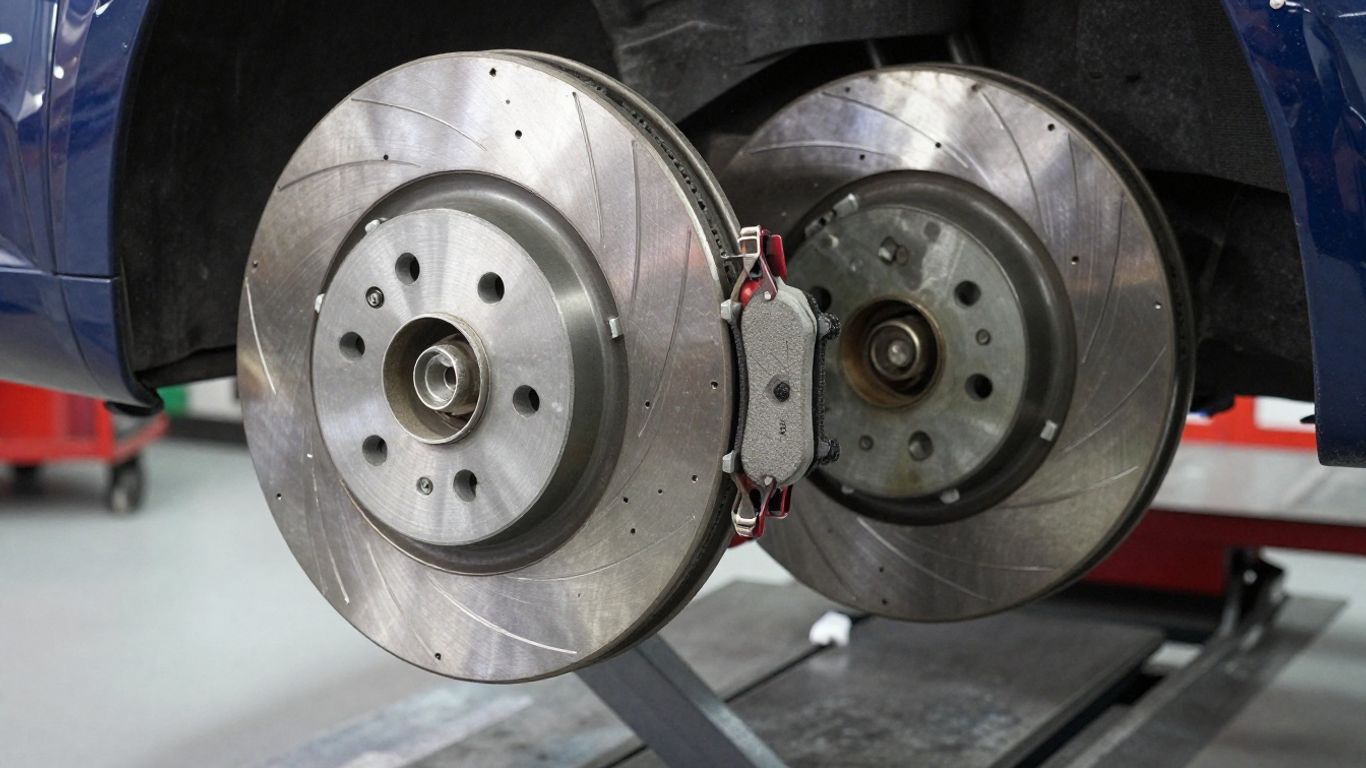
Brake system upgrades and consumables
Brake performance should never be compromised, as it serves as the ultimate safety net for every drive. When it is time for a change, consider these elements to ensure your system continues to function at its peak:
- High-carbon steel rotors for heat dissipation during heavy use.
- Ceramic brake pads to reduce annoying dust buildup on alloy wheels.
- High-temperature brake fluid to prevent vapor lock during aggressive driving.
- Stainless steel brake lines to improve pedal firmness and feedback.
Following these standards prevents the soft pedal feel that frequently plagues neglectful maintenance cycles.
Where to source reliable Volvo V60 replacement parts
Locating a reliable vendor is just as important as choosing the right part itself. Dealers hold the stock for rare assemblies, but specialized online retailers often provide better documentation and faster shipping for standard maintenance items. Evaluating the reputation of your provider ensures that you get exactly what you need without the frustration of receiving inferior inventory.
Navigating official dealership parts departments
Dealerships are the primary source for proprietary items that are locked behind specific intellectual property. When you need a trim piece or a complex wiring harness that isn’t available elsewhere, the parts counter is your best bet. They have access to the most current diagrams for your VIN, preventing mistakes caused by inaccurate part descriptions found elsewhere online.
Using dedicated Volvo performance and salvage retailers
For those who prefer a more community-driven approach, enthusiast-centric retailers often keep a inventory of hard-to-find items from donor vehicles. These suppliers test used components for structural integrity, providing a sustainable and cost-effective option for cosmetic or non-critical mechanical parts. This sector is particularly helpful for keeping aging cars on the road longer than the official manufacturer parts cycle typically supports.
Vetting online marketplaces for quality assurance
When buying from large online marketplaces, you must act as the primary filter for quality. Look for documented product origins, return policies, and feedback from other owners who have logged thousands of miles after installation. Avoid listings that omit brand information, as these are often generic white-box products that lack any accountability or manufacturing standards.
Tips for successful DIY installation and repair
Successfully working on modern vehicles requires a combination of patience and the correct information. While the car might seem complex at first glance, the underlying systems adhere to logical patterns once you have the right manual and the appropriate mechanical interface. Take your time to understand the specific environment you are working within to protect your wallet from costly beginner errors.
Tools required for common maintenance tasks
Basic hand tools are sufficient for much of the work, but specific jobs will eventually require specialized pullers or deep-reach sockets. You do not need a full shop setup, but having a torque wrench, a reliable jack with safety stands, and a set of quality metric drivers will cover eighty percent of standard service tasks. Investing in quality tools also prevents the frustration of rounded bolt heads or slipping grips.
Using VIDA software for diagnostic procedures
Modern diagnostics are essential because many faults are electronic rather than mechanical. Utilizing the recommended software allows you to read deep system codes that a generic code reader will simply miss. This interface guides you through the process of resetting service indicators and testing individual modules, effectively demystifying why a particular alert light has appeared on your dashboard.
Understanding torque specifications for critical assemblies
Every fastener, from the wheel lug bolts to the engine head studs, has a specific torque requirement to ensure safety and prevent part fatigue. Never guess the tightness of a bolt; using the documented value ensures the hardware does not work loose over time or strip the mating threads upon installation. Always cross-reference the manual for the dry or lubricated torque values, as the surface finish matters significantly under load.
Safely managing Volvo’s electrical and sensor systems
Modern cars are sensitive to voltage spikes and improper grounding during repair. Always disconnect the battery before working near sensitive electronics or airbag modules to prevent accidental activation or short-circuits. Keep your work area clean to prevent metallic debris from entering connectors, which can cause intermittent communication faults that prove incredibly frustrating to track down after the job seems complete.
Conclusion
Mastering the art of sourcing and installing parts keeps your vehicle performing at its best throughout its entire lifespan. By focusing on quality components, maintaining a logical diagnostic process, and respecting the engineering behind every fastener, you transform standard repairs into an rewarding experience that strengthens your connection to your machine.
Frequently Asked Questions
Should I always use genuine parts for repairs?
While genuine parts offer a perfect fit, many high-quality aftermarket manufacturers produce components that meet or exceed factory standards for much lower prices.
How do I find the correct part number for my specific car?
You should locate the existing part’s printed number or cross-reference your seventeen-digit Vehicle Identification Number with a trusted parts retailer.
Why is torque specification so important for vehicle parts?
Proper torque ensures that fasteners maintain correct tension, preventing parts from vibrating loose or damaging the threads within the assembly during use.
Can I use a generic diagnostic tool for my maintenance?
While simple tools can clear basic codes, vehicle-specific software is usually required to access advanced system health information and module programming settings.
Is it safe to buy used car parts from salvagers?
Yes, provided you purchase from reputable suppliers who verify the functionality and structural integrity of the parts before they are listed for sale.
What are the most common signs of suspension wear?
Common indicators include clunking sounds over uneven ground, a floating or inconsistent steering feel, and uneven tire wear patterns across the front axle.
Should I replace brake components in sets?
Yes, you should always replace braking components like pads or rotors in pairs across an axle to ensure balanced stopping force and pedal feel.