

Key Takeaways
Maintaining your vehicle requires precision and knowledge about source quality. Here are five crucial points for managing your vehicle maintenance:
- Prioritize compatible components to ensure long-term performance.
- Verify every part against your unique vehicle identification number.
- Differentiate between structural replacements and performance enhancements.
- Use validated online catalogs to streamline your procurement process.
- Adhere to safety standards when performing any mechanical work.
Types of Volvo XC60 parts
When you begin looking into maintenance, you will find a wide variety of replacement options tailored to your specific driving needs. Understanding the architecture of these components helps maintain the vehicle’s integrity while balancing cost and reliability. Whether you seek to restore factory standards or improve performance attributes, familiarizing yourself with these categories is the first step toward a well-maintained vehicle.
OEM vs. aftermarket explained
Original Equipment Manufacturer components are designed by the vehicle creator to meet exact specifications and safety standards. These parts ensure that the precise fit and function matches the original assembly, which is ideal if you are looking to preserve the vehicle’s long-term resale value and operational stability. Aftermarket alternatives are created by third parties and often provide a more diverse range of price points, though their quality can vary significantly between brands and manufacturers.
Genuine Volvo performance parts
Genuine components are built to factory specifications, ensuring that the engineering remains consistent throughout the entire vehicle lifecycle. By choosing these, you maintain the structural synergy of your car’s systems without relying on third-party modifications. These original items ensure that the sophisticated electronics and mechanical systems continue to operate as intended by the developers who built your XC60.
Remanufactured components for sustainability
Remanufactured parts are an excellent way to reduce environmental impact while keeping repair costs manageable for older models. These units have been professionally cleaned, inspected, and tested to ensure they meet modern quality requirements. Integrating these components is a responsible choice for owners who want to extend the life of their vehicle using parts that have been restored to reliable working order.
Aftermarket upgrade options for enthusiasts
For those who wish to customize their driving experience, there is a vibrant market for performance-driven parts. These upgrades often focus on handling, braking, or aesthetic changes that might not be available within the standard dealership catalog. By carefully finding genuine OEM used Volvo XC60 parts, you can achieve a specific balance between factory reliability and personalized customization.
Common Volvo XC60 parts to replace
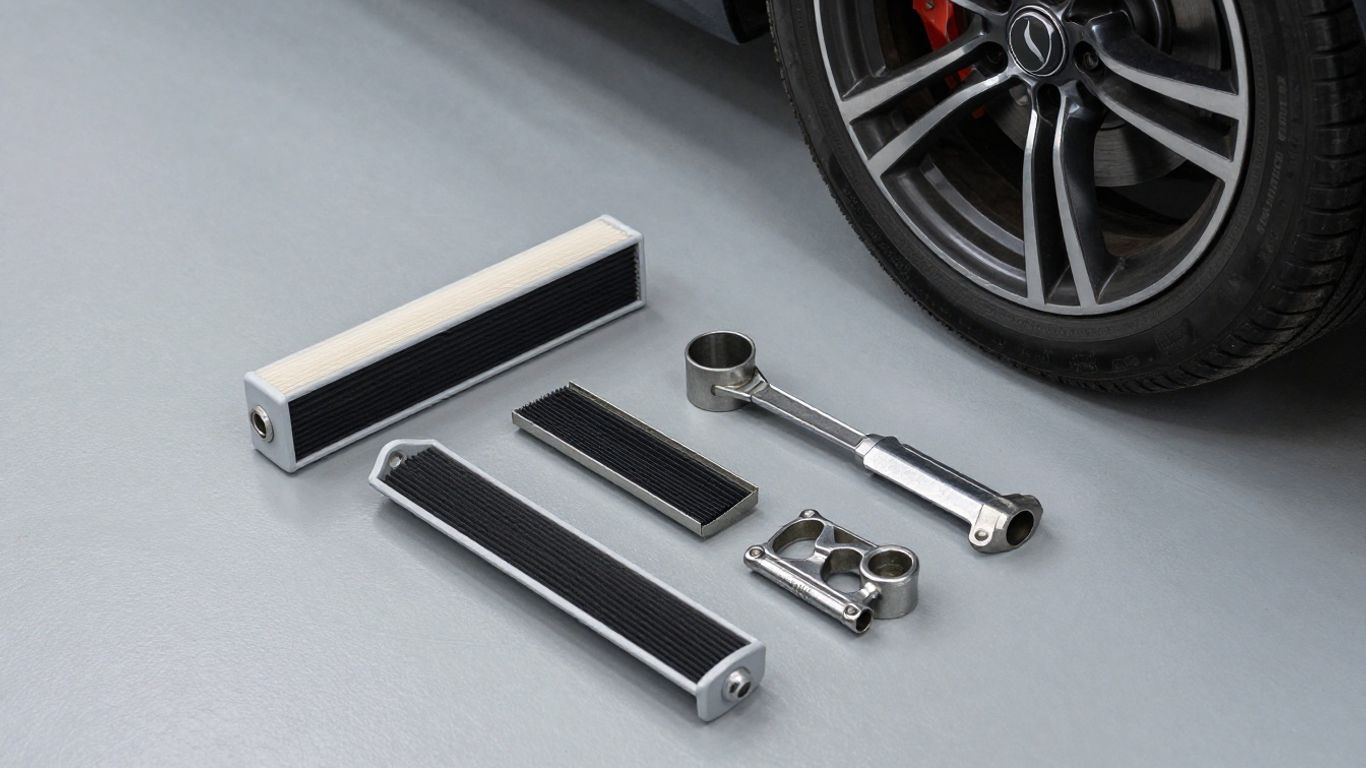
Regular maintenance is the backbone of vehicle longevity, especially for luxury SUVs like the XC60. By watching for signs of wear in critical areas, you prevent minor issues from transforming into expensive mechanical failures. The following components are frequently replaced during standard service intervals to ensure safety and comfort.
Essential maintenance filters and fluids
Keeping your engine and cabin air clean is fundamental to performance and health. Cabin air filters prevent dust and allergens from entering your interior space, while high-quality engine filters extend the life of your powertrain components. It is helpful to follow these standard interval recommendations to keep your SUV running smoothly:
| Item | Service Interval | Impact Target |
|---|---|---|
| Engine Air Filter | 15,000 miles | Fuel efficiency |
| Cabin Air Filter | 10,000 miles | Interior air quality |
| Synthetic Oil | 7,500 – 10,000 miles | Engine lubrication |
Maintaining these systems ensures that the core components of your vehicle remain protected from debris and excessive friction.
Braking system components
Your braking system requires high-friction pads and rotors that are capable of handling the weight of an SUV. Over time, these parts experience normal wear and should be inspected as part of your regular vehicle assessment. Replacing your brake pads as soon as they reach their wear limit is essential for maintaining consistent stopping distances and driver safety.
Suspension and steering wear items
Suspension components are constantly under high stress, which leads to slow degradation of bushings, control arms, and shock absorbers. You will notice that steering may feel slightly imprecise or that the ride quality has become bumpy when these parts begin to fail. Ensuring these items are replaced with quality components will return that smooth driving feel unique to your vehicle model.
Common electronic sensor failures
Modern vehicles are dense with sensors that manage fuel injection, traction control, and driver-assistance features. When one of these sensors fails, it can trigger dashboard warnings that require immediate attention to prevent poor fuel economy or engine hesitation. Diagnostics software is often necessary to pinpoint exactly which unit needs replacement in your complex electronic system.
How to verify compatibility for your XC60

Precision in part selection prevents the headache of returning mismatched orders or being unable to complete a repair. Verification is a simple process if you have the right documentation at hand, ensuring every purchase you make fits your specific build or trim level. Following these steps helps build confidence before you finalize your order for essential components.
Locating the VIN for precise part lookup
Your Vehicle Identification Number, or VIN, is the most accurate way to filter for compatible parts in any catalog. This 17-character code identifies the factory that built your car, its original specifications, and the exact production series. Keep this code handy whenever you browse inventory, as it eliminates guesswork for critical items like electrical modules or engine-specific sensors.
Understanding model year changes and revisions
Engineering often evolves during a production cycle, meaning that a part designed for a 2016 model might not fit a 2017 version. Pay close attention to mid-year refreshes or model revisions when searching for your vehicle components. Learning the production month of your specific car, often printed on the door jamb sticker, can guide your search for compatibility.
Decoding Volvo part numbering systems
Manufacturers use specific series of numbers to tag their parts, which are often indexed in online databases. When you see a specific string accompanying your vehicle search results, cross-reference it with the manufacturer’s own catalog to ensure you are selecting the right component. This decoding process is the safest way to ensure your replacement matches the original hardware exactly.
Using online parts catalogs effectively
Navigating digital storefronts can be overwhelming, but effective filtering is key. Use your VIN or engine code to narrow your search to the most relevant items, then cross-reference descriptions against service manuals. If you are navigating the comprehensive guide to car shipping, you will find that proper part records make managing your vehicle’s physical profile significantly easier during transport or long-distance relocation.
Buying Volvo XC60 parts online vs. in-store
Choosing where to shop depends on your timeline, your need for immediate advice, and your comfort level with digital procurement. Dealerships and online vendors both have distinct advantages that can assist you during different types of repairs. Whether you are performing a summer maintenance checklist or a complex winter repair, understanding these channels is vital.
Benefits of local dealership parts departments
Local shops have the advantage of being able to order parts directly according to your specific VIN, with immediate access to technical support. If a part arrives in the wrong configuration, returning it or swapping it for the correct item is usually faster than coordinating international shipping. You benefit from the expertise of service advisors who can explain exactly how a component interacts with your vehicle’s specific layout.
Assessing reliability of third-party online vendors
The online market is filled with reputable suppliers, but you must know how to filter them. Look for vendors that have clear, transparent business listings and a privacy policy regarding your data security. It is also wise to cross-reference their ratings on neutral platforms to ensure they provide consistent high-quality items for enthusiasts who perform their own maintenance.
Shipping and return policy considerations
Shipping lead times can vary drastically, so always check the vendor’s estimated arrival dates before ordering if your car is out of commission. Look for detailed return policies that specify how parts should be packaged and if there are associated restocking fees. Having a clear plan for your seasonal travel guide includes keeping your vehicle in peak condition regardless of where you ship your parts.
Evaluating customer reviews and part warranties
Customer feedback is a treasure trove of information regarding part durability and installation difficulty. Never rely solely on price; look for evidence of longevity in reviews from other owners who share your vehicle configuration. Additionally, prioritize components that include a manufacturer warranty, which protects you from defects that aren’t apparent until the item is already installed.
Best practices for installing your Volvo XC60 parts

Proper installation turns a new part into a reliable system component. Whether you are using outdoor LED area lights to improve the security of your garage or replacing a mechanical sensor under the hood, preparation is everything. When you take the time to set up your workspace and gather the right tools, you minimize the risk of damaging your vehicle.
When to perform DIY versus professional installation
Distinguishing between simple maintenance and complex systems is the secret to successful car care. A simple filter change is a perfect way for a hobbyist to learn the vehicle’s layout. However, complex systems like steering alignment or electronic coding require professional tools that ensure the car meets safety standards. You should prioritize professional support for any task that impacts handling or engine performance.
Essential tools for Volvo servicing
Investing in a set of quality metric tools is a baseline requirement for anyone who works on these vehicles. Because luxury automobiles often use specific fasteners, having a variety of torque wrenches and specialized bits helps you avoid stripping bolts while maintaining precise tension. If you are starting your journey, the most important items to acquire are a reliable jack system and a comprehensive OBD-II diagnostic tool.
Accessing official Volvo service manuals and diagrams
Official documentation provides the step-by-step guidance necessary to tear down and rebuild systems without guesswork. These manuals show exactly where bolts are hidden and provide expected torque values, which are critical for structural items. Relying on these documents ensures that you are following the manufacturer’s logic for assembly instead of guessing during your repair process.
Safety protocols when working on luxury vehicles
Always prioritize your well-being by using appropriate jack stands if your vehicle needs to be elevated. Never work on a hot engine, and always disconnect the battery if your repair involves electronic systems to prevent short-circuiting sensitive sensors. Respecting your vehicle’s systems keeps you safe and ensures the longevity of every repair you perform.
Conclusion
Navigating the world of component procurement for your luxury SUV ensures your vehicle maintains the high-performance standards you expect. By understanding the differences between varied part types, verifying compatibility, and choosing reliable vendors, you guarantee that every repair contributes to the long-term health of your vehicle. Staying informed about the latest manuals and safety protocols allows you to tackle maintenance with confidence, whether you are picking up a wrench yourself or coordinating with skilled professionals.
Frequently Asked Questions
How often should I replace my brake pads?
Brake pad replacement intervals vary widely based on your driving environment, but most owners find they need inspection every 10,000 to 15,000 miles. Urban driving with frequent stop-and-go behavior leads to faster wear than highway travel.
Can I use parts from older models in my new SUV?
It is generally not recommended to swap parts between different model years unless you have verified that the part numbers are explicitly cross-compatible. Design revisions in later models frequently change mounts, wiring, or dimensions.
What does the VIN tell me about my car?
Your VIN contains the history of your specific vehicle including production origin, engine size, trim level, and model year. This information is the definitive way to match components to your car’s unique factory setup.
Is it safer to buy parts from a dealership?
Dealerships offer the highest level of assurance for compatibility and quality, making them the safest choice for major mechanical components. Online third-party vendors can be reliable, but they require extra diligence regarding their sourcing and return policies.
Should I attempt engine-sensitive repairs myself?
Engine-sensitive repairs often involve complex electronic coding or precise mechanical tolerances that can affect performance if not calibrated correctly. Unless you are an experienced mechanic with access to official diagnostic tools, it is best to leave engine work to professionals.
How do I know if a part is genuine?
Genuine parts are consistently branded and shipped in factory-sealed packaging that includes standardized part numbers. Always verify these details upon receiving your package to ensure you haven’t received a lower-quality substitute.
What tools are essential for basic maintenance?
Basic maintenance requires a standard set of metric sockets, a torque wrench, an oil filter wrench, and a durable floor jack with accompanying stands. These tools cover most of the common tasks you will perform as an owner.