

Key Takeaways
The right mirror depends on the vehicle, the features fitted to it, and the work the replacement needs to do. A little checking before ordering can prevent an avoidable mismatch.
- Side mirrors, cabin rearview mirrors, and truck specialty mirrors serve different viewing needs.
- Heating, signals, blind-spot features, cameras, and folding functions vary by vehicle and mirror assembly.
- Confirm the model, year, trim, connectors, and included features before buying.
- A damaged housing, loose mount, or failed adjustment motor may mean the assembly needs attention.
- Clean mirrors gently and avoid forcing ice-bound or malfunctioning parts.
Types of Volvo mirrors
Mirrors differ in where they sit and what they let a driver see. For a replacement, the original position and assembly matter just as much as the glass itself. The distinctions below help narrow down what to inspect before shopping.
Side mirrors for everyday visibility
Mounted outside the vehicle, side mirrors help drivers monitor adjacent lanes and see alongside the body while maneuvering. Their shape and position affect how much of the road appears in the glass, so adjustments should be made from the normal driving position. A cracked lens or loose housing can disrupt that view even if the mirror still moves.
Rearview mirrors and their role inside the cabin
The cabin rearview mirror provides a view through the rear window, complementing the wider perspective from the side mirrors. Some vehicles use a simple reflective mirror, while others may include additional functions in the assembly. If replacing one, check how it attaches and whether any wiring or integrated features are present rather than assuming all interior mirrors are alike.
Specialty mirrors on Volvo trucks
Larger vehicles can use additional mirror positions to help drivers see areas that are difficult to monitor from the cab. For Volvo VNL trucks, listed replacement options include door mirrors, hood mirrors, and mirror covers; the Volvo VNL mirrors listing covers models from 2004 through 2024. Match the part to the actual mounting location and vehicle details, since a mirror for one position is not a substitute for another.
Manual, power-adjustable, and power-folding designs
A manual mirror is positioned by hand, while a power-adjustable version uses an in-cabin control to change the glass angle. Power-folding designs add a motorized movement that brings the housing inward or back out. The controls and mechanisms differ, so identify which functions your current assembly has before choosing a replacement.
Features and technology
Mirror assemblies can combine glass, housing, adjustment mechanisms, and vehicle-specific electrical features. The details are not universal, even within a model range, so a visual resemblance alone is not proof that a part will connect or operate correctly. Check the installed equipment and compare it with the replacement description.
Heating and defrosting in cold weather
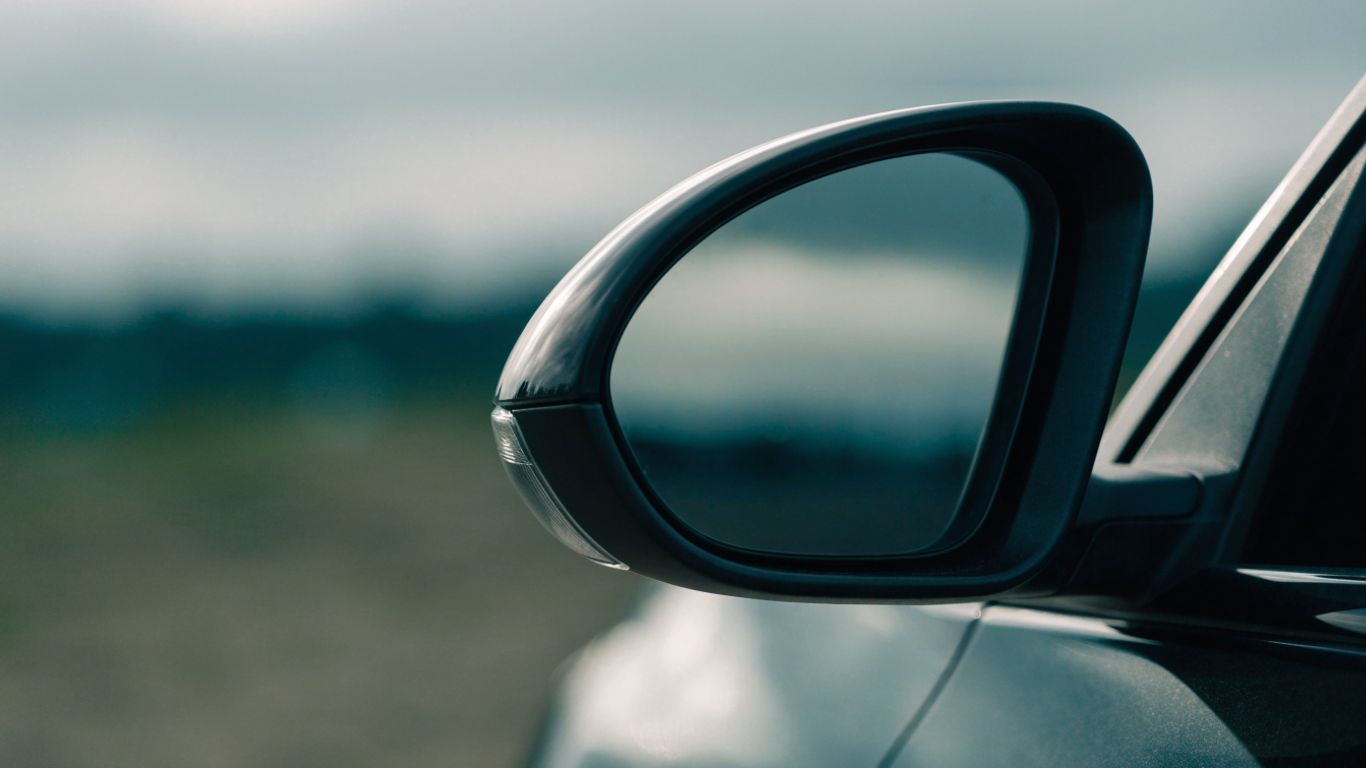
Heated mirror glass can help clear frost or condensation when the vehicle’s heating function is activated. If one side clears and the other does not, the fault may be in the glass, wiring, connector, or control circuit. Avoid scraping ice with a hard tool; gentle clearing reduces the chance of scratching or chipping the reflective surface.
Blind-spot monitoring and integrated signals
Some assemblies include a turn signal or an indicator associated with a blind-spot system. These elements need to match the vehicle’s equipment and electrical connections, not just the mirror’s shape. Check whether the indicator is part of the housing or glass and verify that the replacement listing describes the same configuration.
Cameras and digital mirror systems
Where a vehicle uses a camera or digital display in place of, or alongside, a conventional reflective mirror, replacement involves more than matching the outer casing. The camera position, wiring, and any calibration requirements may matter. Consult vehicle-specific service information before disconnecting or replacing components connected to these systems.
Memory settings and power-folding functions
Some vehicles coordinate mirror positions with stored driver settings, while power-folding mechanisms move the housing electrically. Those functions can depend on the mirror assembly and vehicle controls working together. If memory or folding stops working after a replacement, confirm that the part has the required features and that its connections are seated correctly.
How to find mirrors that fit your Volvo
Fitment is about more than make and model: year, trim, mounting style, and installed options can all change which assembly is appropriate. Before searching, inspect the existing mirror and note anything that operates electrically or appears integrated into the housing. A few recorded details can make the search quicker and reduce the chance of ordering the wrong part.
Identify the model, year, and trim
Start with the vehicle identification details and use them to search the parts catalog or confirm fitment with a supplier. Record the model year and trim, then compare those details with the part listing. For a truck, include the exact series and cab configuration where available; do not assume that a passenger car’s naming conventions apply.
Match the mirror’s features and connectors
Compare the old assembly with the replacement description feature by feature. The table is a useful way to keep the comparison focused rather than relying on appearance alone.
| Detail to compare | What to check | Why it matters |
|---|---|---|
| Mounting position | Door, hood, or cabin location | Assemblies are made for specific positions |
| Adjustment | Manual or powered | Controls and mechanisms may differ |
| Electrical features | Heating, signal, or folding | The replacement needs matching equipment |
| Connector | Shape and number of connections | A mismatch can prevent installation or operation |
After comparing these points, check the part number or ask the supplier to confirm fitment against the vehicle details. A similar-looking housing may still have a different connector or feature set.
Check compatibility for cars and VNL trucks
A car mirror and a truck mirror can differ in size, mounting, and viewing position, so use a listing meant for the correct vehicle category. The cited VNL range is 2004–2024 and includes separate door and hood mirror options; check the exact year and position before ordering. For any vehicle, an accessory such as a cover is not the same part as a complete mirror assembly.
Verify fitment before ordering
Before placing an order, compare the listing against the vehicle identification details and the old part. Product searches can surface unrelated subjects—such as Design Concepts outdoor furniture or digital marketing tools—so keep the fitment check tied to vehicle and part information. If a listing leaves out a key detail, ask for confirmation rather than treating a photo as a guarantee.
Replacing a Volvo mirror
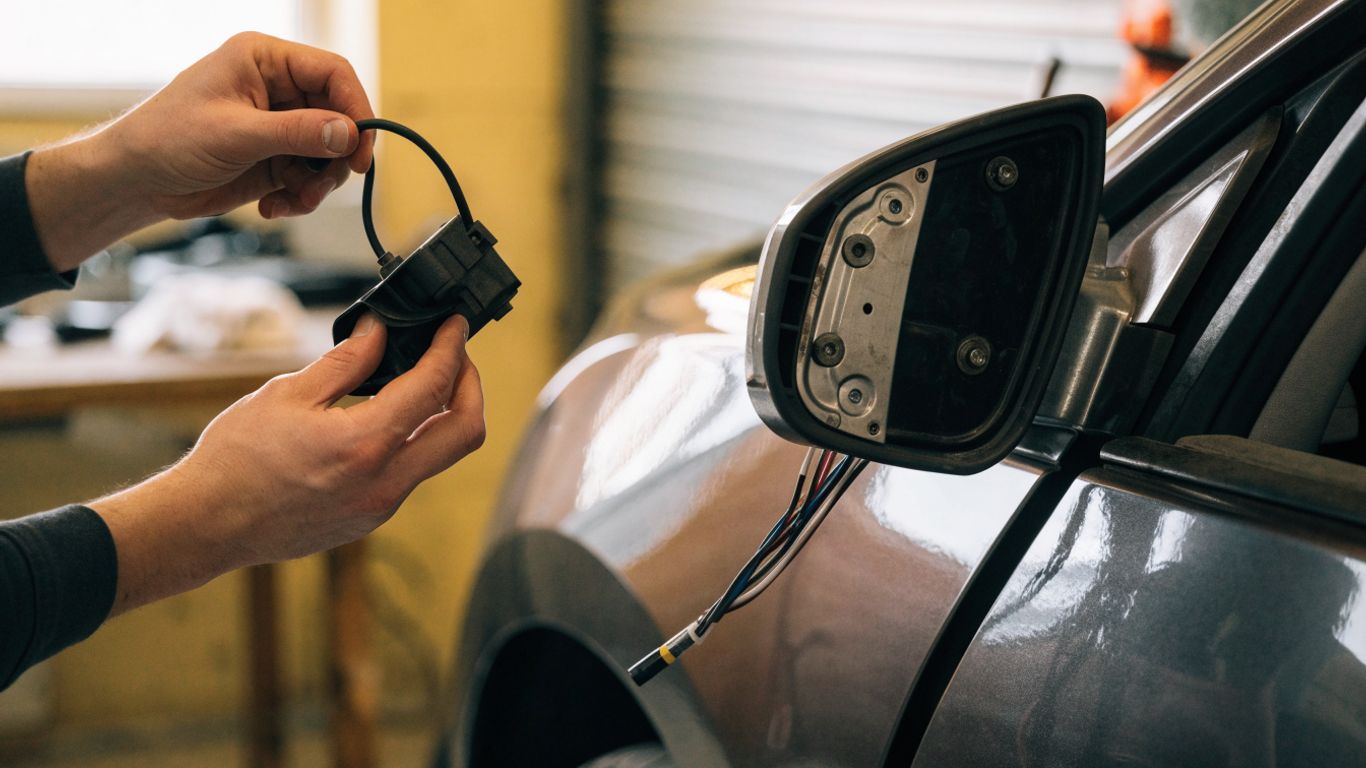
A mirror replacement may be straightforward when the damage is limited and the assembly has no connected functions, but the job can become more involved when wiring or integrated equipment is present. First decide whether the glass, housing, or complete unit is damaged. Then check the replacement’s fit and the vehicle-specific instructions before removing anything.
Signs a mirror needs replacement
A cracked lens, broken housing, loose mounting point, or mirror that will not hold its position can make the view unreliable. Electrical problems may show up as failed adjustment, heating, signals, or folding functions. Damage to a camera or an integrated indicator also deserves careful inspection rather than a quick cosmetic fix.
Choosing an original or aftermarket part
An original part and an aftermarket replacement can differ in price, availability, finish, and included components. In either case, fitment and features should come first. Drift techniques in Forza Horizon are a separate kind of vehicle setup; here, the practical priority is a mirror that matches the real vehicle and its connections.
What to expect during installation
The steps depend on the vehicle and mirror design, but a careful replacement generally involves access to the mounting area, disconnection of any wiring, removal of the old assembly, and a check of the new unit’s operation. Keep the trim and fasteners organized, and avoid pulling on wires or prying against painted surfaces. Before reinstalling any interior trim, test the mirror’s functions if the vehicle’s instructions allow it.
When to use a qualified technician
Professional help makes sense when the mirror connects to a camera, driver-assistance feature, or complex wiring, or when access requires removing substantial trim. It is also a sensible choice if the mounting point is bent or the new mirror does not line up correctly. A SIJS order belongs to a completely different process; for mirror work, follow vehicle service guidance or consult an automotive technician.
Adjusting and troubleshooting Volvo mirrors
A correctly fitted mirror still needs to be positioned and tested. Begin with the vehicle parked safely and use its controls as intended. When a function fails, check the simplest possibilities first, then avoid forcing any part that feels stuck or unusually loose.
Set side mirrors for a clear field of view
Sit in the usual driving position before making adjustments. Set the interior mirror to show the rear window, then angle each side mirror to provide a useful view along the vehicle without leaving an unnecessarily large overlap. Recheck the view after loading the vehicle or changing your seating position.
Diagnose power-adjustment problems
If the mirror does not respond, check whether the correct control is selected and whether other powered functions are working. A fault may involve the switch, fuse, connector, wiring, or adjustment motor, and symptoms alone do not identify the failed component. A technician can test the circuit without risking damage to the housing.
Fix a mirror that will not fold or return to position
A folding mirror that stops short or does not return may have an obstruction, a damaged hinge, an electrical fault, or a problem in its folding mechanism. Do not repeatedly force the housing or hold the switch when the motor appears to strain. Discussions of a power-folding mirror fault raise several possible mechanisms, but the cause on a particular vehicle needs diagnosis rather than guesswork.
Check heating, signals, and blind-spot features
Test each function separately and note whether the issue affects one mirror or both. If a signal or indicator is out, inspect the relevant bulb or integrated assembly according to vehicle guidance; for heating, check whether the mirror clears when the defrost function is used. Driver-assistance warnings should be treated with care, since a replacement or adjustment may require checks specified for that vehicle.
Caring for Volvo mirrors
Routine care helps preserve a clear view and can reveal damage before it becomes a bigger problem. Use gentle cleaning methods and take extra care around edges, electrical connections, and moving joints. If a mirror looks loose or a feature stops working, inspect it promptly rather than waiting for the next service interval.
Clean mirror glass and housings safely
Use a soft cloth and a cleaner suitable for automotive glass, wiping without heavy pressure. Avoid abrasive pads and harsh chemicals that could scratch the surface or affect the housing finish. For grime around seams, use a lightly damp cloth and dry the area so water does not linger near openings.
Prevent damage from ice and automatic car washes
Clear ice with a gentle de-icer or allow the vehicle’s defrost function to help loosen it; do not hammer or pry at the glass. Before using an automatic wash, follow its instructions for folding mirrors and make sure they are not forced by the equipment. If a housing feels stiff, address the cause rather than pushing it through resistance.
Inspect wiring, hinges, and mounting points
During routine cleaning, look for a loose base, cracked cover, frayed wiring, or unusual movement at the hinge. Keep any inspection visual unless you are equipped to work safely with the vehicle’s electrical system. Early attention can help distinguish a simple loose fastener from damage that calls for a replacement assembly.
Protect mirror finishes from wear and corrosion
Wash away road salt and abrasive grime, particularly around seams and mounting areas. Dry the housing after cleaning and repair chips in the finish before corrosion spreads. Covers may protect against some surface wear, but they should fit securely and should not interfere with adjustment or folding.
Conclusion
Choosing a mirror is easier when you identify the vehicle, match the assembly’s position and features, and confirm fitment before ordering. Once installed, careful adjustment and gentle maintenance help keep the view clear and the mechanisms working as intended.
Frequently Asked Questions
How do I know which replacement mirror fits my vehicle?
Check the model, year, trim, mounting position, connector, and existing features, then confirm the listing against those details or ask a parts supplier.
Can I replace only the mirror glass?
Sometimes, but it depends on the assembly and the damage. Verify that the glass is sold separately and matches the mirror’s shape and any heating or other integrated features.
Why is my power mirror not moving?
Possible causes include a control, fuse, connector, wiring, or motor problem. Check the vehicle’s instructions and avoid forcing the mirror if it does not respond.
What should I do if a power-folding mirror will not open fully?
Look for visible obstruction or damage, and do not push against a mechanism that feels stuck. If the issue continues, have the folding mechanism and electrical circuit checked.
How should I remove ice from mirror glass?
Use a suitable de-icer or let the vehicle’s defrost function help loosen the ice. Avoid sharp tools, hard scraping, or sudden force that could damage the glass or housing.
Do heated mirrors need special care?
Clean them gently and use the vehicle’s intended defrost controls. If the glass does not clear as expected, the heating element or its electrical connection may need inspection.
Should mirror replacement be done by a technician?
A technician is a good choice when the assembly includes wiring, a camera, or driver-assistance features, or when the mounting point is damaged. Follow vehicle-specific service guidance for any replacement.