

Key Takeaways
Choosing the right filter is mostly a matter of accurate fitment, sensible service timing, and careful installation.
- Match the filter to the Volvo model, year, engine, and powertrain.
- Treat engine and cabin filters as separate maintenance items.
- Inspect filters more often when driving through dust, smoke, or heavy traffic.
- Check the housing seal as carefully as the filter media.
- Compare filtration, airflow, service life, and total cost before buying.
Understand the different Volvo air filter types
A Volvo air filter may refer to an engine filter, a cabin filter, or a performance-oriented replacement for the factory design. These parts do different jobs and are not interchangeable. Knowing which type you need prevents an inexpensive maintenance task from turning into a frustrating parts search.
Engine air filters for cars and SUVs
The engine filter cleans air before it reaches the intake system. It is usually a shaped panel, cylindrical element, or other molded filter designed to sit tightly inside a dedicated housing. Its fit matters because even a small gap can allow unfiltered air around the media.
Passenger vehicles can use different filter shapes across model years and engine families. A filter that looks nearly identical may still have a different height, sealing edge, or locating tab, so visual comparison alone is not enough.
Engine air filters for Volvo trucks
Truck engine filters are built for larger air volumes and longer duty cycles. Their housings may be positioned differently from those in cars, and access can depend on the cab, chassis, and engine installation. The correct replacement should sit squarely in the housing without being forced into place.
Fleet vehicles also tend to accumulate service history across several technicians. Record the part number removed as well as the replacement fitted, especially when a truck has changed operators or service providers.
Cabin air filters and their purpose
A cabin filter cleans air entering the passenger compartment through the ventilation system. Depending on the vehicle and filter design, it can collect dust, pollen, and other airborne debris before that air reaches the occupants. A dirty cabin filter may also restrict blower airflow.
Cabin filters are often hidden behind a glovebox, lower dashboard panel, or cowl cover. Their replacement procedure is usually separate from the engine filter, so buying an engine filter alone does not complete the vehicle’s air-filtration maintenance.
Performance and high-flow filter options
Some replacement filters are designed to fit the factory airbox while offering a different balance between airflow and filtration. The High Flow Filter is described as a dry, MAF-friendly filter for Volvo S60/V60, S90/V90, XC60/XC90, with eight layers of green cotton yarn and two layers of non-woven fabric.
That type of product still needs correct fitment and careful maintenance. Higher airflow should not be treated as a reason to overlook sealing, contamination, or the manufacturer’s cleaning instructions.
Find the correct Volvo air filter for your vehicle
The safest way to buy a Volvo air filter is to identify the vehicle before browsing generic listings. Model name alone is rarely enough because engines, trims, body styles, and production years can change the required dimensions. Keep the registration details or vehicle identification number nearby when checking a catalogue.
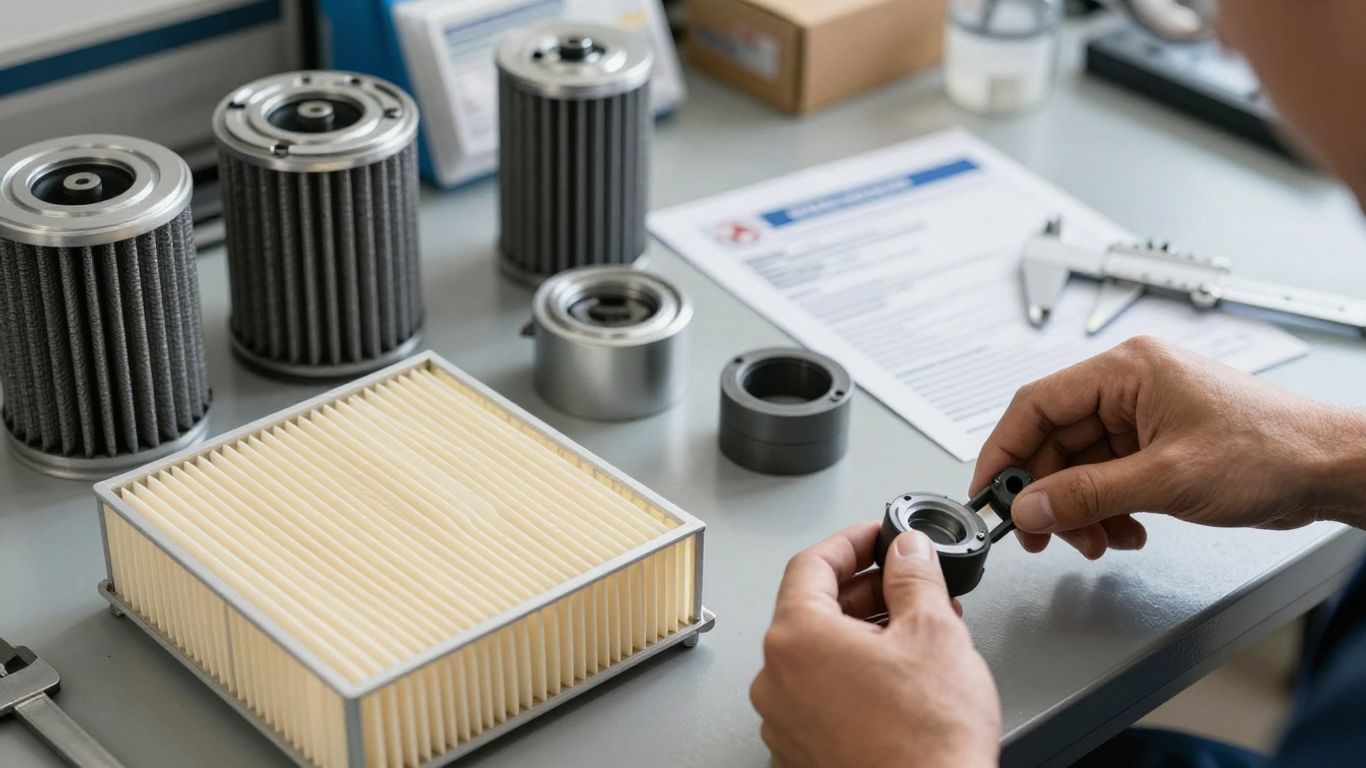
A short fitment check can save a return shipment and prevent an imperfect installation. It is especially useful when a vehicle has been imported, modified, or serviced with a non-original engine component.
Match the filter to the model and model year
Start with the exact model and model year, then confirm the body style. A filter listed for one generation may not fit the next even when the vehicle name is unchanged. Listings that cover a broad year range should still be checked against the individual vehicle.
If the old part is available, photograph its label and sealing edge before discarding it. The old number is useful evidence, but it should be cross-checked rather than copied without question.
Check the engine, trim, and powertrain
Engine size and fuel type can affect the airbox and filter dimensions. Trim level can matter too, particularly when intake components differ between standard and performance variants. Confirm whether the vehicle is petrol, diesel, hybrid, or another powertrain before ordering.
For a used vehicle with incomplete paperwork, compare the registration record, engine label, and physical housing. The goal is to identify the installed system, not simply the model name shown on the boot or tailgate.
Compare OEM and aftermarket part numbers
A catalogue may show an original-equipment number alongside one or more replacement numbers. Treat those references as a starting point and verify that the replacement has the same dimensions, sealing profile, and application. A cross-reference is useful only when it describes the same fitment.
The MvpTruckParts Air Filter Bundle is described as including one engine filter and two cabin filters for Volvo VNL models from 2004–2024, with direct replacement references for specified Volvo part numbers. That makes the listing a useful example of why both vehicle coverage and included components should be read closely.
Verify fitment for Volvo VNL trucks and SPA models
Volvo VNL trucks and Volvo SPA passenger-car models belong to very different fitment categories. Confirm the platform before comparing prices, and do not assume that a truck filter can be evaluated by passenger-car dimensions. For SPA models, check the specific S60/V60, S90/V90, XC60/XC90 application named by the listing.
A useful comparison should show the vehicle application, filter type, and part references together. When one of those details is missing, pause the purchase and ask for a fitment confirmation.
Know when your Volvo air filter needs replacement
There is no single replacement date that suits every Volvo. Service schedules provide a baseline, while the filter’s condition and the vehicle’s environment provide context. A vehicle driven on clean highways may need less frequent attention than one used on dusty roads or in stop-start traffic.
Replacing a filter too late can restrict airflow or reduce ventilation performance. Replacing one too early is less harmful, but it can add cost without a clear benefit, so inspection remains worthwhile.
Recommended replacement intervals
Use the vehicle’s service schedule as the first reference, then adjust attention for actual driving conditions. Some filters are checked at one interval and replaced at another. The owner’s manual or service information should take priority over a generic online recommendation.
For commercial vehicles, use fleet records and operating conditions to create a practical inspection rhythm. A filter that remains clean may not need immediate replacement, while one exposed to heavy dust deserves earlier attention.
Warning signs of a clogged engine filter
A visibly loaded filter, reduced response, or unusual intake noise can justify an inspection, although these symptoms can also have other causes. Do not diagnose an engine problem from the filter alone. Look for dust on the clean side of the housing, crushed pleats, oil contamination, or a damaged frame.
The filter should be replaced if its media is torn, its seal is distorted, or contamination has bypassed the dirty side. If the housing is difficult to close, check that the filter is correctly oriented before applying pressure.
Symptoms of a dirty cabin filter
Reduced airflow from the vents, a musty smell, or a fan that seems less effective can point toward a dirty cabin filter. These symptoms may also come from blocked vents, moisture, or a climate-control fault. Inspect the filter before assuming the blower motor needs attention.
Cabin filters can look only moderately dirty while still holding fine debris. If removal reveals dampness, investigate the source of the moisture rather than installing a new filter and leaving the leak unresolved.
How driving conditions affect filter life
Dusty construction routes, unsealed roads, smoke, and frequent urban idling can load a filter faster than steady motorway driving. Seasonal pollen and wet weather can affect cabin-filter condition as well. The same odometer reading can therefore produce very different filter conditions.
When conditions are severe, shorten the inspection interval instead of relying only on the calendar. This small habit is usually easier than diagnosing restricted airflow after performance has already changed.
Choose between OEM, aftermarket, and reusable filters
The best choice depends on fitment, filtration needs, maintenance habits, and budget. An original-equipment part may be the simplest option, while an aftermarket or reusable design can suit a specific application. No category is automatically right for every vehicle.
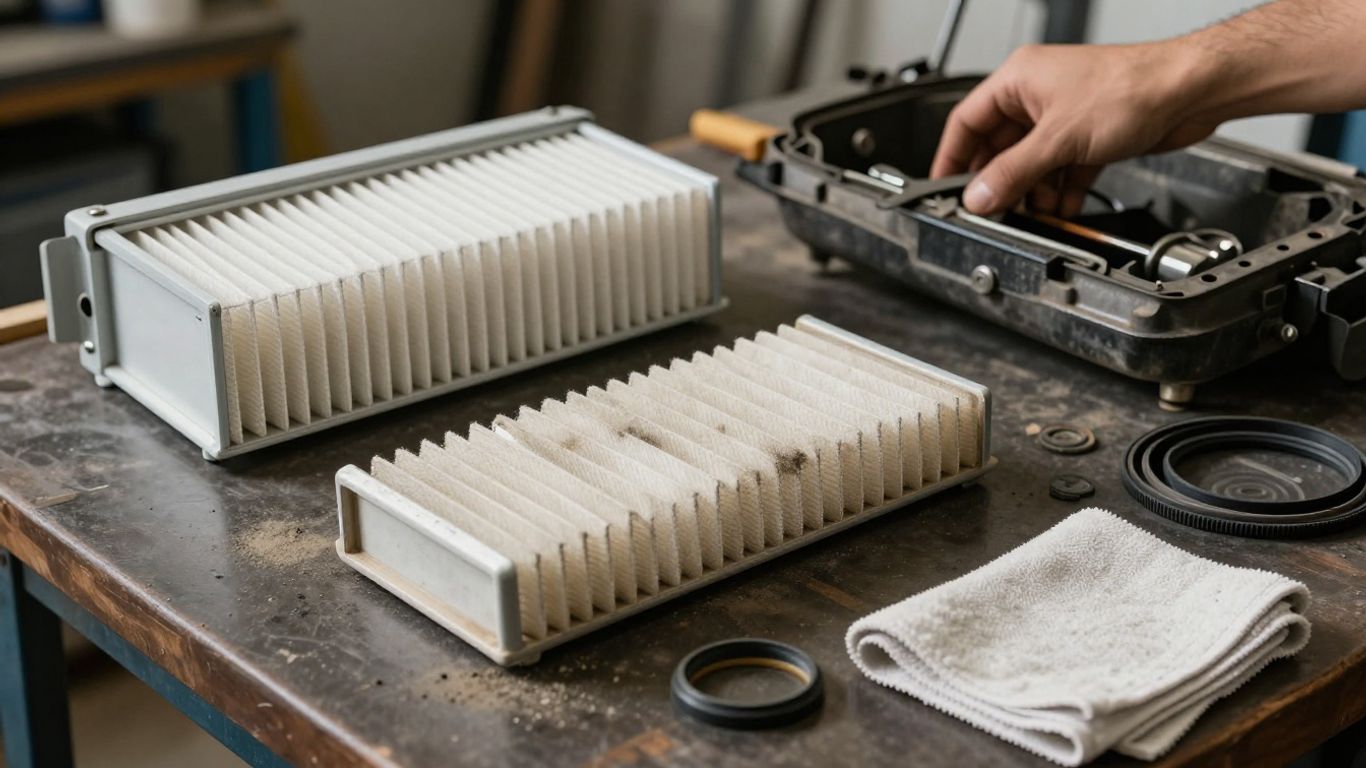
Compare the actual construction and service requirements rather than choosing by label alone. A low purchase price can be less attractive if the part fits poorly or requires maintenance that will not be performed.
Benefits of an OEM Volvo air filter
An original-equipment filter is typically selected to match the vehicle’s existing housing and service procedure. That can reduce uncertainty when the vehicle is standard and the correct original part number is known. It may also make future servicing easier because the specification is familiar.
Even with an OEM choice, confirm the part number and application. “Genuine” does not remove the need to check model year, engine, and regional fitment.
When an aftermarket filter makes sense
An aftermarket filter can make sense when a reputable supplier provides clear fitment information and the construction meets the vehicle’s needs. It may offer a different price, availability, or service approach. The decision should be based on documented specifications rather than a promise of universal compatibility.
The MvpTruckParts Air Filter Bundle is one example of an aftermarket listing that identifies a Volvo VNL application and separates engine and cabin components. Read the included quantities carefully before comparing its price with a single-filter purchase.
Evaluating filtration efficiency and airflow
Filtration and airflow need to be considered together. A filter should capture contaminants while allowing the intake or ventilation system to operate as designed. Look for information about the media, fit, dry or oiled construction, and intended housing.
A product described as a dry, MAF-friendly high-flow option should still be installed in the correct factory airbox and kept free of damage. The High Flow Drop-In Air Filter listing specifies that application for the named SPA models; it does not make the same claim for every Volvo vehicle.
Understanding washable and reusable designs
Reusable filters can reduce the number of disposable replacements, but they require a consistent cleaning routine. Follow the product instructions for cleaning, drying, and reinstallation. Never refit a filter while it is damp or visibly damaged.
Before choosing one, consider whether the required maintenance is realistic. A disposable filter may be the better practical choice if the vehicle is serviced infrequently or access is difficult.
Replace a Volvo air filter safely
Filter replacement is usually straightforward, but cleanliness and orientation matter. Work with the engine switched off and allow hot components to cool. Keep loose dirt away from the open housing while the old element is removed.
Read the vehicle-specific instructions before starting because access differs between cars, SUVs, and trucks. If clips, covers, or electrical connectors resist removal, stop and identify the retaining mechanism rather than forcing them.
Tools and preparations for the job
Most replacements need basic hand tools, a clean cloth, and the correct filter. A small vacuum can help remove loose debris from the housing, but it should not contact delicate filter media. Compare the new part with the old one before opening the airbox fully.
Prepare these items before beginning:
- The verified replacement filter and part number.
- Appropriate sockets or screwdrivers for the housing.
- A clean work surface and lint-free cloth.
- A light for checking the housing seal and interior.
Having everything ready keeps the housing open for less time. It also makes it easier to notice if the new filter is the wrong shape before installation progresses.
Removing the old engine air filter
Release the housing fasteners carefully and lift the cover without shaking dirt into the intake path. Note the filter’s orientation and how its sealing edge sits. If the element is stuck, check for a retaining lip or clip rather than pulling hard.
Inspect both sides of the old filter and the inside of the housing. Dust on the clean side is a reason to examine the seal and housing joints more closely.
Installing and sealing the new filter
Clean only the housing surfaces that are accessible without pushing debris into the intake. Seat the new filter evenly, making sure the gasket or molded edge follows the complete perimeter. The cover should close naturally and all fasteners should engage without distortion.
After tightening, inspect the seam around the housing. A complete seal matters because a correctly sized filter cannot protect the intake if air can bypass it.
Replacing the cabin air filter
Locate the cabin-filter access panel using the vehicle instructions, then note the airflow arrow on the old element. Remove accumulated leaves or loose debris from the compartment without damaging nearby wiring or climate-control parts. Fit the replacement in the same direction and refit the cover securely.
Run the ventilation system at a low setting after installation. Confirm that airflow is normal and that no cover, trim panel, or filter edge is vibrating.
Maintain Volvo air filter performance
A replacement filter works best when the surrounding housing remains clean and sealed. Maintenance is not limited to swapping the element at a scheduled service. Short visual checks can reveal dust tracks, water entry, loose clamps, or a cover that has not seated correctly.
Keep notes for both engine and cabin filters. Separate records make it easier to identify whether an airflow change relates to intake servicing or climate-control filtration.
Inspecting the filter between service intervals
Inspection does not always mean removing the filter. Look for a loose cover, damaged clips, visible dust, or water around the housing. If removal is necessary, handle the element by its frame and avoid flexing the media.
A filter’s appearance is only one factor. A clean-looking element with a damaged seal may be more concerning than a uniformly dusty element that remains intact.
Cleaning the airbox and filter housing
Use a clean, dry method to remove loose debris from the housing. Avoid blowing compressed air through a paper filter because it can damage the media or drive particles deeper into it. Wipe sealing surfaces gently before fitting the replacement.
Do not introduce cleaners, oils, or water unless the filter and housing instructions specifically allow them. Unapproved products can affect the filter material or leave residue in the intake path.
Preventing dust and moisture leaks
Check clamps, cover fasteners, drainage points, and the condition of rubber seals. A moisture trail or dust line can show where the housing is not closing evenly. Correct the source before fitting another filter.
For cabin systems, inspect the cowl and surrounding drains when leaves or dampness appear near the filter. Keeping the access area clear helps protect both the element and the ventilation system.
Recording filter changes for future maintenance
Write down the date, odometer reading, filter type, and part number. For fleet vehicles, add the vehicle identifier and operating conditions. These details turn future replacement into a quick confirmation instead of another guess.
A record also helps compare service life across seasons and routes. If one filter becomes dirty much sooner than expected, the pattern may point to a housing issue or a change in use.
Avoid common Volvo air filter buying and installation mistakes
Most filter problems begin before the engine is restarted. A rushed order, an overlooked seal, or an incomplete cleaning step can undermine an otherwise good replacement. Slow down at the points where fit and cleanliness are easiest to verify.
The following mistakes are common because the parts often look simple. Their consequences, however, can include restricted airflow, contamination, repeat labour, or an unnecessary return.
Installing the wrong filter size
A filter that is too short, too narrow, or shaped differently may appear to fit until the cover is tightened. Do not compress a filter to make it enter the housing. Recheck the application, part number, and sealing edge before continuing.
If the catalogue lists several engines or production periods, use the complete vehicle details. A broad compatibility statement is not a substitute for specific fitment.
Ignoring the filter housing seal
A damaged gasket, warped cover, or missing clip can create an air path around the filter. Inspect the mating surfaces whenever the housing is opened. Dust marks near the clean side deserve attention even if the filter itself is new.
Never use excessive force to close the cover. Resistance often indicates that the filter is misaligned or the wrong part.
Over-cleaning or damaging reusable filters
Reusable media can be harmed by aggressive brushing, high-pressure air, unsuitable solvents, or premature reinstallation. Follow the product’s cleaning process and allow complete drying. Replace the element if the media or frame is damaged.
If the care routine is unclear, ask the supplier or choose a filter with a simpler documented service procedure. Maintenance that is easy to understand is more likely to be completed correctly.
Delaying replacement after severe-duty driving
Heavy dust, smoke, construction traffic, and unsealed roads can shorten filter life. Inspect sooner after those conditions rather than waiting for the normal calendar interval. A brief check can reveal loading that would otherwise go unnoticed.
Do not assume a filter is fine because the vehicle still starts and drives normally. Restriction and contamination can develop before the change is obvious from the driver’s seat.
Conclusion
The right Volvo air filter is the one that matches the vehicle precisely, suits its operating conditions, and is installed with a clean housing and sound seal. Check the details before buying, inspect filters between services, and keep a simple record of each change so maintenance becomes predictable rather than reactive.
Frequently Asked Questions
How often should an engine air filter be replaced?
Follow the vehicle’s service schedule as a starting point, then inspect more often when driving in dust, smoke, heavy traffic, or on unsealed roads. Condition should guide the final decision.
Can a cabin filter and engine filter be replaced together?
They can be replaced during the same service, but they are separate parts in different locations. Confirm the correct part and access procedure for each one.
How do I know which filter fits my vehicle?
Use the exact model, model year, engine, trim, powertrain, and—when available—the vehicle identification number. Cross-check the replacement part number and dimensions before ordering.
Should I clean a disposable paper filter?
Disposable paper filters are generally replaced rather than washed or aggressively blown out. Cleaning can damage the media or leave contamination behind, so follow the filter instructions.
Are reusable filters always better value?
Not necessarily. A reusable filter may suit an owner who will follow its cleaning and drying procedure, while a disposable filter may be more practical for simpler servicing.
What should I do if dust is visible inside the airbox?
Inspect the filter’s seal, the housing cover, clamps, and surrounding intake connections. Clean the housing carefully and correct the leak before installing another filter.
Can a clogged cabin filter reduce airflow?
Yes. Debris can restrict air moving through the ventilation system, although blocked vents, dampness, or a climate-control fault can cause similar symptoms. Inspect the filter before replacing other components.