

Key Takeaways
Choosing the right Volvo filters starts with accurate equipment details and ends with careful installation and record-keeping.
- Match the filter to the exact model, serial number, VIN, and original part number.
- Consider the filter’s purpose, construction, seals, capacity, and operating environment.
- Follow the recommended service interval, while allowing for severe working conditions.
- Replace filters in a clean, depressurized workspace and check carefully for leaks.
- Compare the purchase price with downtime, contamination damage, and total operating cost.
Understand the main types of Volvo filters
Different filters protect different systems, so a filter that looks suitable may still be wrong for the job. Oil, air, fuel, hydraulic, transmission, cabin, and air-conditioning filters each have their own media, fittings, and service requirements. Understanding that distinction makes it easier to order accurately and maintain equipment consistently.
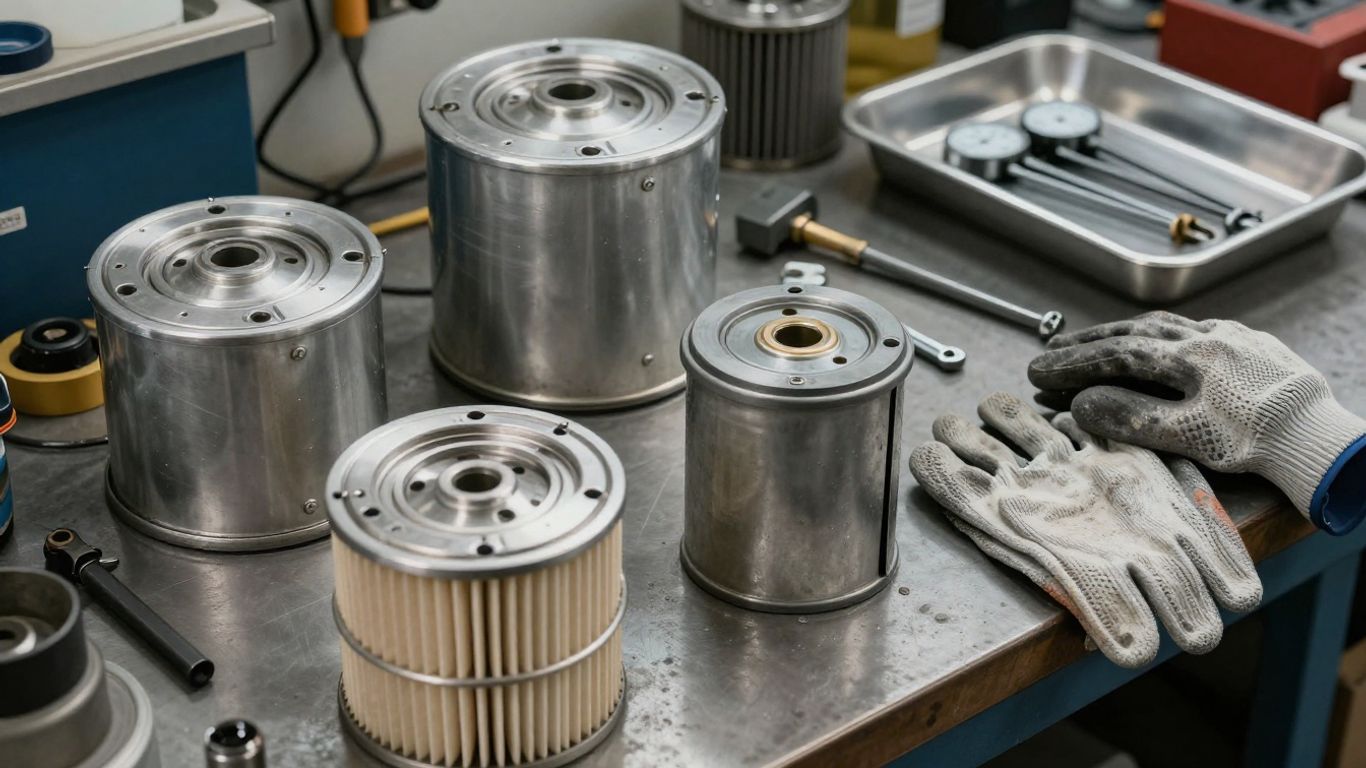
Engine oil filters and lubrication protection
An engine oil filter removes contaminants from the lubricating oil before they circulate through sensitive engine components. Its condition affects how well the system can manage particles produced during normal wear and operation. Check the service documentation for the correct filter and change it with the oil rather than treating the two jobs as unrelated.
Air filters for clean engine intake
Air filters protect the engine from dust and other particles drawn in through the intake. A restricted filter can reduce airflow, while a damaged or poorly seated filter can allow contamination past the housing. Inspect the housing, seals, and intake duct whenever the element is changed, especially after work in dusty areas.
Fuel filters and water separation
Fuel filters remove unwanted particles from the fuel system, and some designs also help separate water. Water or sediment can affect injectors, pumps, and engine performance, so draining the separator and inspecting the collected material may be part of routine service. Always follow the equipment instructions for priming and disposal.
Hydraulic and transmission filters
Hydraulic and transmission filters protect systems that depend on clean fluid and stable pressure. The correct filter must suit the circuit, flow demands, pressure rating, and mounting arrangement. Using an engine filter in a hydraulic application is not a safe substitution, even if the external dimensions seem similar.
Cabin and air-conditioning filters
Cabin and air-conditioning filters help manage dust and airborne material entering the operator area. A clogged element can reduce airflow and make the system work harder. Replace it according to the maintenance schedule, or sooner when the machine works in dusty, smoky, or pollen-heavy conditions.
Match Volvo filters to your equipment or vehicle
Correct identification is the most reliable way to choose Volvo filters. Model names can cover several engine generations, production ranges, or configurations, and a similar-looking machine may use a different element. Take a few minutes to verify the application before comparing price or delivery time.
Identify the exact Volvo model and application
Begin with the complete model designation, not just the equipment family. Record the machine type, engine, year or production range when available, and the system being serviced. This information narrows the search and helps prevent a filter intended for a related application from being ordered by mistake.
Use the serial number, VIN, or equipment identification
The serial number or VIN can resolve differences that a model name cannot. Read the identification plate carefully and copy the characters exactly, including prefixes and suffixes. If the plate is hard to read, compare it with service records, registration documents, or the previous maintenance invoice.
Check the original filter number
The number printed on the old filter is useful, but it should be treated as one reference rather than the only proof of compatibility. Confirm it against the equipment record and the supplier’s application information. Cross-referencing matters because an old filter may have been fitted incorrectly at an earlier service.
Compare dimensions, fittings, and specifications
Physical measurements are a helpful final check after the application has been identified. Compare thread size, gasket diameter, overall height, ports, seals, media type, and any bypass or pressure specifications shown in the documentation. The following comparison keeps the main checks together without replacing the manufacturer’s service information.
| Check | What to compare | Why it matters |
|---|---|---|
| Application | Model, engine, and system | Confirms the filter belongs to the right circuit |
| Reference number | Original and replacement numbers | Helps identify supersessions or equivalent references |
| Dimensions | Height, diameter, threads, and ports | Prevents fitment and sealing problems |
| Construction | Media, seals, and pressure capability | Confirms suitability for the operating conditions |
Use the table as a short ordering aid, then verify any uncertain detail with a parts specialist. A correct fit is necessary, but the filter must also meet the system’s functional requirements.
Avoid confusing similar Volvo filter applications
Oil, fuel, air, and hydraulic elements can share similar shapes while serving completely different purposes. Do not rely on a photograph or a broad equipment category alone. If the listing does not clearly identify the machine and application, pause the order until the missing detail is confirmed.
Choose between genuine, aftermarket, and replacement filters
The best choice depends on application, service conditions, availability, and the consequences of a poor fit. Genuine filters may provide a direct route to the specified application, while a quality aftermarket option can be appropriate when its specifications are documented. Whatever the source, compare the complete filter rather than choosing solely by unit price.
Benefits of genuine Volvo filters
The source material describes genuine Volvo Filters as tested and optimized to work with the relevant machine, with filtration efficiency, low pressure drops, and high dirt-holding capacity. It also identifies a range covering engine oil, fuel, air, cabin air, hydraulic oil, and breather filters. Those documented characteristics make genuine parts worth considering when application certainty and system compatibility are the priority.
When a quality aftermarket filter may be suitable
An aftermarket filter may be suitable when its application listing, dimensions, materials, seals, and performance specifications are clear. It should be selected against the exact machine details rather than a loose description such as “fits most models.” A reputable supplier should be able to explain the reference used and the limits of the listed compatibility.
Evaluating filtration efficiency and dirt-holding capacity
Filtration efficiency describes how well the element captures particles, while dirt-holding capacity indicates how much contamination it can retain before restriction becomes a concern. These qualities need to be considered together with pressure drop and the demands of the system. A filter that appears inexpensive may not be economical if it loads quickly or does not suit the fluid circuit.
Checking seals, materials, and construction quality
Look for a cleanly formed element, secure end caps, undamaged seals, and packaging that has protected the part from moisture and crushing. Compare the replacement with the old filter before installation, including the gasket and connection points. Small defects in a seal or housing can create a leak even when the filter number appears correct.
Understanding filter kits and bundled maintenance parts
A filter kit can simplify a scheduled service by grouping the elements needed for a particular application. The service filter kits described in the source are offered for 500-hour interim and 1000-hour full services, with the interval determined by the relevant maintenance plan. Check every item in a bundle before ordering so that the contents match the service you actually intend to perform.
Know when to replace Volvo filters
A filter should be replaced according to the applicable maintenance schedule, but the schedule is not the only consideration. Dust, water, temperature, workload, and contamination can shorten useful life. Regular inspections help you spot a problem before it develops into restricted flow, poor performance, or component damage.
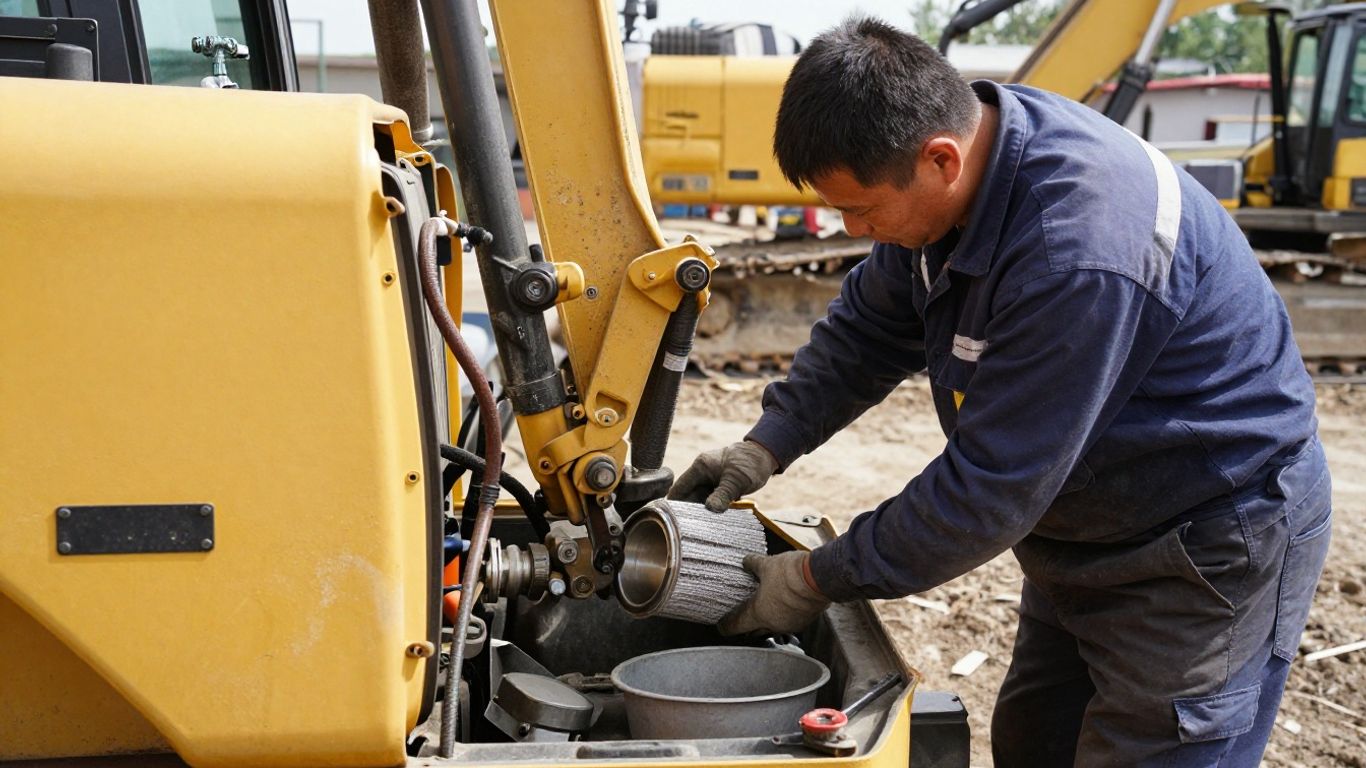
Recommended service intervals
Start with the interval in the operator’s manual or service documentation for the exact machine and engine. The source material refers to factory-recommended 500-hour interim and 1000-hour full-service intervals for certain service kits, so the correct interval depends on the application and maintenance plan. Do not assume that one interval applies to every model or operating environment.
Operating conditions that shorten filter life
Severe conditions can load a filter well before a normal calendar date or hour interval. Dusty worksites, mud, high heat, cold starts, long idle periods, heavy loads, and contaminated fuel all deserve closer attention. Where conditions are unusually harsh, use inspection results and the approved maintenance guidance to adjust the service approach.
Warning signs of a restricted or damaged filter
Warning signs vary by system, but reduced airflow, unusual pressure readings, poor starting, rising temperatures, visible leaks, or a change in hydraulic response should not be ignored. A warning indicator may also signal restriction or another fault. Diagnose the system rather than replacing parts at random, since a filter symptom can have more than one cause.
Seasonal and preventive maintenance considerations
Before a dusty season, cold-weather period, or long project, inspect the filters and make sure suitable replacements are available. Preventive service is particularly useful when access to parts or workshop facilities will be limited. Keep the inspection practical: check the element, housing, seals, fluid condition, and service record together.
Why overdue filters can increase operating costs
An overdue filter can restrict flow, allow contamination through, or place additional demand on a system. The resulting downtime and repair work may cost more than the original replacement. Planned maintenance also makes labor, parts, and machine availability easier to coordinate.
Replace Volvo filters safely and correctly
Filter replacement is straightforward only when the surrounding system is prepared properly. Cleanliness, pressure control, correct disposal, and a final leak check are as important as choosing the new element. Use the equipment manual for system-specific instructions, torque values, and fluid requirements.
Prepare the machine or vehicle for service
Park on a stable surface, apply the parking brake, shut down the engine, and allow hot components or fluids to cool as required. Gather the correct filter, seals, tools, drain container, cleaning materials, and personal protective equipment before opening the system. A prepared work area reduces the temptation to leave ports exposed or rush the final checks.
Relieve pressure and prevent contamination
Hydraulic and fuel systems may retain pressure after shutdown, so follow the approved relief procedure before loosening a connection. Clean the area around the filter head and cover open ports whenever a line is disconnected. Keep new filters sealed in their packaging until the surrounding area is ready for installation.
Remove the old filter without damaging components
Use the correct removal tool and turn the filter carefully to avoid damaging the housing, threads, pipes, or mounting bracket. Check that the old gasket has not remained stuck to the sealing face. Drain the old fluid into a suitable container and dispose of the filter and fluid according to local requirements.
Install and lubricate the new filter correctly
Compare the new filter with the old one before fitting it, then install the supplied seal in the correct position. Where the instructions call for it, lightly lubricate the gasket with the specified clean fluid; do not use an unsuitable grease or fluid. Tighten by the stated method and torque rather than guessing from resistance.
Inspect for leaks and verify system operation
After installation, check that hoses, covers, drain plugs, and connections are secure. Start or operate the system according to the service procedure, watch for leaks, and confirm that warning lights or pressure readings behave normally. Recheck the area after the machine has run and record the work while the details are fresh.
Maintain Volvo filters in demanding conditions
Good filter life depends on more than installing a new element. The surrounding environment, fuel and fluid cleanliness, storage conditions, and maintenance records all influence the result. Small habits, such as cleaning around a housing before opening it, prevent contamination from becoming a larger repair issue.
Working in dust, mud, or extreme temperatures
Clean the outside of filter housings before service and inspect intake ducts for loose clamps or damaged seals. In muddy conditions, prevent debris from being pushed into open ports during washing or repair. Cold temperatures can affect fluid behavior and starting, while high temperatures may increase stress on oils and seals, so use the specified materials and procedures.
Managing water and fuel contamination
Drain water separators as directed and investigate repeated water findings rather than treating them as routine waste. Store fuel cleanly, keep containers closed, and avoid transferring contamination through dirty funnels or hoses. If fuel appears cloudy or contains sediment, stop and diagnose the source before fitting another filter.
Keeping hydraulic systems clean
Hydraulic cleanliness depends on the whole service process: clean fluid, clean tools, capped lines, sound breathers, and the correct filter. Avoid opening a circuit during rain, heavy dust, or unnecessary site traffic. If a new filter loads unusually quickly, look for a contamination source instead of simply changing it again.
Storing replacement filters properly
Keep replacement filters in their original packaging in a dry, clean place away from direct sunlight, moisture, chemicals, and crushing loads. Store them so seals and media are not distorted. Rotate stock so older, correctly identified parts are used first and packaging remains legible.
Recording filter changes and maintenance results
A useful record includes the date, machine hours, equipment identification, filter reference, fluid changed, and any unusual findings. Note pressure warnings, water, dust, damaged seals, or leaks as well. Over time, these records show whether the service interval suits the working conditions and make future parts identification faster.
Control costs without compromising filtration
The cheapest filter at checkout is not necessarily the lowest-cost choice. A better comparison includes fitment confidence, service life, delivery, labor, downtime, and the risk of contamination-related repairs. Good records and planned purchasing usually create more savings than stretching an unsuitable filter beyond its useful life.
Compare filter prices with total operating cost
Compare like with like: the same application, specifications, seals, and expected service requirement. Then consider what a delayed delivery or incorrect part would cost if the machine were unavailable. A slightly higher purchase price can be reasonable when it reduces ordering uncertainty and repeat labor.
Decide when filter kits offer better value
Kits can be useful when several filters are due together and the bundle contains exactly what the service requires. Check the contents, references, quantities, and interval before comparing the kit with individual parts. A bundle is less valuable if it includes unwanted items or leaves out a filter that still needs to be sourced separately.
Avoid premature replacement and extended intervals
Replacing a filter too early wastes usable capacity, while extending the interval without evidence increases risk. Follow the approved schedule and use inspections, operating conditions, and maintenance records to support any adjustment. A consistent process is more reliable than changing parts based on guesswork.
Buy from reliable suppliers
A reliable supplier should provide clear application data, recognizable references, condition information, and practical support when details are uncertain. For Australian buyers, a nationwide parts network can also reduce delays between Melbourne, Sydney, Brisbane, and other locations. Keep the machine details ready so the supplier can check the part rather than relying on a vague model description.
Keep critical Volvo filters in stock
Stock the filters that are used regularly or would create significant downtime if unavailable. Keep each item labeled with its application and reference, and review stock after every service. A small, accurate reserve is more useful than a large collection of unverified parts.
Conclusion
Choosing and maintaining Volvo filters is a matter of accurate identification, suitable specifications, clean installation, and disciplined service records. When those steps are handled together, filtration becomes a predictable part of maintenance rather than a last-minute source of downtime or unnecessary cost.
Frequently Asked Questions
How do I choose the right filter for my equipment?
Start with the exact model, engine or system, serial number or VIN, and the original filter reference. Confirm the dimensions, fittings, seals, and specifications against reliable application information before ordering.
Can I use an aftermarket filter instead of a genuine part?
An aftermarket filter may be suitable when its compatibility and specifications are clearly documented. Compare the complete application and construction rather than choosing only by appearance or price.
How often should filters be replaced?
Use the interval in the equipment’s service documentation. Severe dust, water contamination, extreme temperatures, heavy workloads, and other operating conditions may require closer inspection or a different approved maintenance approach.
What are signs that a filter is restricted?
Possible signs include reduced airflow, unusual pressure readings, poor starting, rising temperatures, warning indicators, visible leaks, or slower hydraulic response. Diagnose the system before assuming the filter is the only fault.
Should I replace the oil filter whenever I change the oil?
In many maintenance programs, the oil filter and oil are changed together because the new fluid can otherwise pass through an old, contaminated element. Confirm the exact procedure for the equipment being serviced.
How should replacement filters be stored?
Keep them sealed in a clean, dry area away from moisture, direct sunlight, chemicals, and crushing loads. Check labels and rotate stock so older verified parts are used first.
Why is cleanliness important during filter replacement?
Dirt introduced while opening a housing or hydraulic line can circulate through the system and damage sensitive components. Cleaning the work area, capping open connections, and keeping new filters sealed helps prevent avoidable contamination.