

Key Takeaways
Choosing the right oil is less about picking the most expensive bottle and more about matching the specification to the engine, climate, and service schedule.
- Check the owner’s manual for the required approval, viscosity, and oil capacity.
- Treat API, ACEA, ILSAC, and manufacturer approvals as separate pieces of information.
- Choose viscosity for the approved operating range, not simply for the weather outside.
- Replace the oil filter during a scheduled oil change.
- Investigate warning lights, leaks, unusual noise, or repeated low oil levels promptly.
Understand Volvo engine oil specifications
Oil specifications can look like a string of confusing letters and numbers, but each part answers a different question. Viscosity describes flow across temperatures, while API, ACEA, and ILSAC categories describe performance requirements. Manufacturer approvals add another layer for engines with particular emissions systems, service demands, or component designs. Start with the vehicle documentation rather than choosing by brand name alone.
Why viscosity grades matter
A grade such as 5W-30 describes how an oil behaves when cold and at operating temperature. The number before the W relates to low-temperature flow, while the second number describes viscosity when the engine is hot. A suitable grade helps oil circulate during startup while maintaining a protective film once the engine reaches normal temperature.
Viscosity is not a quality ranking. A 0W oil is not automatically better than a 5W oil, and a thicker hot-grade oil is not automatically safer. The correct choice is the grade approved for that particular engine and its expected conditions.
How API, ACEA, and ILSAC ratings differ
API categories are widely used in North America and distinguish performance requirements for gasoline and diesel engines. ACEA classifications are common on European vehicles and separate oil types according to engine design, emissions equipment, drain expectations, and protection needs. ILSAC categories are aimed mainly at gasoline passenger vehicles and often include fuel-economy considerations.
These systems overlap, but they are not interchangeable labels. If the manual asks for an ACEA category or a specific API level, look for that exact information on the container or product data sheet rather than assuming that a newer-looking label is suitable.
What Volvo approvals and standards mean
A manufacturer approval indicates that an oil has been assessed against a defined requirement, rather than merely sharing a familiar viscosity. The approval may relate to wear control, deposits, emissions-system compatibility, fuel economy, or extended service requirements. It is especially relevant when an engine uses a turbocharger, particulate filter, or other equipment that depends on the oil’s chemistry.
For heavy equipment, Volvo Construction Equipment describes Volvo Engine Oil VDS-4.5 as developed for Volvo diesel engines and associated with a 1000-hour engine service interval. That information applies to the specified machinery and service program, not automatically to a passenger car.
Why the owner’s manual is the final authority
The owner’s manual brings the specification together for one engine: approved viscosity, performance category, capacity, checking procedure, and change interval. Online advice can help explain the terminology, but it cannot replace the instructions for a particular model year and engine code. If the manual and a general oil guide disagree, follow the manual or ask a qualified technician to confirm the requirement.
This is also where you can find exceptions for severe service, towing, extreme temperatures, or a digital oil-level system. Keep the relevant page available when buying oil or booking a service, because a small difference in specification can matter more than a large difference in price.
Match the oil to your Volvo model
Two vehicles wearing the same badge may use different engines, oil capacities, and approval requirements. Model year, fuel type, drivetrain, engine code, and emissions equipment all influence the choice. Before buying, record the vehicle identification details and compare them with the manual or a reliable parts catalogue.
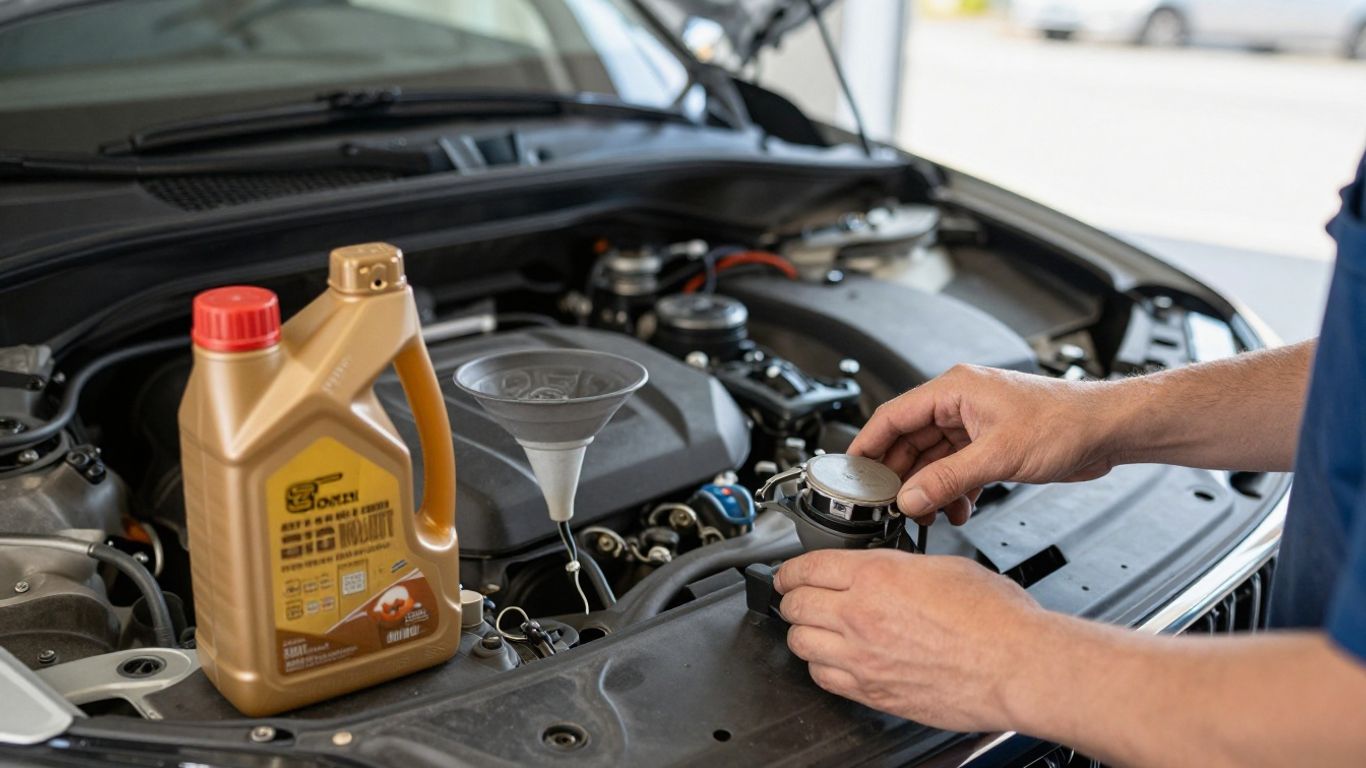
Engine oil for Volvo passenger cars
Passenger cars generally need an oil that balances cold-start flow, heat protection, cleanliness, and compatibility with emissions equipment. Do not assume that an oil suitable for one petrol engine will suit a diesel or a different generation of the same model. The correct viscosity and approval should both appear in the vehicle documentation.
Capacity matters too. Filling to the correct level is part of choosing the oil properly; adding an approved oil in the wrong quantity can still create trouble. Allow for the filter change, then verify the level using the prescribed checking method.
Oil requirements for Volvo SUVs and crossovers
SUVs and crossovers can place different demands on oil because of their weight, turbocharged engines, towing use, and frequent short trips. Those factors do not create a universal SUV oil grade, however. They make it more important to follow the engine-specific requirement and adjust the maintenance schedule when the vehicle works hard.
If the vehicle is used for towing, steep roads, dusty travel, or repeated stop-start driving, ask whether the severe-service schedule applies. The answer may affect when the oil is changed, even when the specified oil itself remains unchanged.
Diesel engine oil considerations
Diesel engines may require an oil designed for soot control, high-temperature stability, and compatibility with after-treatment equipment. A diesel oil label by itself is not enough, because different engines can require different ash levels, performance categories, or manufacturer approvals.
Check the manual before buying a diesel formulation, particularly if the vehicle has a diesel particulate filter. Using an unsuitable oil can contribute to deposits or interfere with the intended operation of emissions equipment.
Volvo trucks and construction equipment
Trucks and construction equipment operate under loads and duty cycles that are unlike normal passenger-car use. Their oil selection depends on the engine, fuel, operating environment, service interval, and the manufacturer’s equipment specification. A passenger-car bottle should never be treated as a default substitute for a heavy-duty lubricant.
The Volvo Lubricants range is described as developed and tested for Volvo machinery, with engine oils specifically formulated for Volvo diesel engines. Confirm the exact product and approval for the machine rather than relying on the name alone.
Choose the right viscosity for driving conditions
Temperature affects how quickly oil moves through an engine, but climate is only one part of the decision. The engine designer has selected a viscosity range that supports bearings, variable valve systems, turbochargers, and other components. Use weather as a reason to check the recommendation, not as permission to change it independently.
Common grades such as 0W-20, 0W-30, and 5W-30
Grades including 0W-20, 0W-30, and 5W-30 appear across modern vehicles, but their presence on a shelf does not make them interchangeable. The first number concerns cold flow, while the second concerns viscosity at operating temperature. An engine designed around low-viscosity oil may depend on that grade for lubrication flow and fuel-economy targets.
The oil must also meet the required performance category or approval. A matching viscosity with the wrong specification is still the wrong oil.
How cold temperatures affect oil selection
Cold weather makes oil thicker, which can delay circulation immediately after startup. A suitable low-temperature grade helps the engine receive lubrication promptly, especially when the vehicle sits outdoors overnight. In very cold regions, follow the manual’s temperature chart or seasonal recommendation rather than guessing from the label.
Warm-up habits matter as well. Let the engine run normally and avoid heavy acceleration immediately after starting; extended idling is not usually a substitute for gentle driving until the vehicle reaches operating temperature.
When high-mileage oil may be appropriate
High-mileage formulations are marketed for older engines and may be considered when an engine has age-related seepage or consumption. They are not a repair for a worn seal, damaged component, or neglected maintenance. Before changing formulation, verify that the oil still meets the required viscosity and performance specification.
A well-maintained older engine does not automatically need a high-mileage product. If consumption has recently increased, measure it and inspect for leaks rather than masking the symptom with a different bottle.
Why changing viscosity without approval can cause problems
Switching viscosity can alter startup flow, operating pressure, consumption, and the behavior of systems designed around a particular oil. It may also complicate warranty or service decisions when the selected grade does not match the manual. The approval matters as much as viscosity when comparing otherwise similar products.
For drivers considering a synthetic oil, Mobil 1 provides guidance that switching can follow the normal drain-and-filter procedure, while also advising closer initial changes for some poorly maintained or high-mileage engines. Treat that guidance as product-specific and continue to follow the vehicle maker’s maintenance requirements.
Compare genuine Volvo oil with aftermarket options
The choice between a genuine-branded oil and a reputable aftermarket product should begin with specifications, not packaging. A genuine product may offer a straightforward match for the vehicle or machine, while an aftermarket oil can be suitable when its label clearly carries the required approvals. Availability and price matter, but neither should outweigh compatibility.

Benefits of genuine Volvo engine oil
A genuine oil can simplify the buying decision when it is listed for the exact engine or machine and the required approval is clear. It may also be easier for a workshop to identify and document during scheduled maintenance. Those practical benefits are different from assuming that every genuine-branded oil suits every Volvo engine.
For equipment, product information may specify the intended diesel engine application and service program. Always match the container to the machine’s documentation before pouring it in.
When a reputable aftermarket oil is suitable
An aftermarket oil can be a reasonable choice when it states the exact viscosity, performance categories, and manufacturer approval required by the manual. Look beyond words such as “premium” or “synthetic”; they do not replace an approval or a complete technical specification.
Buy from a traceable retailer and keep the receipt. If the label is unclear, the product data sheet is missing, or the seller cannot explain the approval, choose another source or ask a technician.
How to verify labels, approvals, and product authenticity
Read the back label rather than relying only on the front of the bottle. Check the viscosity, API or ACEA category where applicable, manufacturer approval, intended fuel type, and any limitations. Packaging should be intact, consistent, and traceable to a legitimate supplier.
A parts retailer such as Mamoparts provides model-based access to genuine Volvo engine oil and related vehicle fluids. Even when using a retailer’s catalogue, confirm the final selection against the vehicle manual and the bottle’s technical information.
Balancing oil quality, availability, and cost
A lower price is useful only when the product meets the required specification and comes from a dependable source. A more expensive oil is not automatically a better match. Consider the full maintenance cost, including the filter, correct quantity, labor, and the consequences of extending an interval beyond the approved schedule.
When comparing two compliant products, availability and consistent sourcing can be sensible deciding factors. Keeping the product details and receipts also makes future servicing easier to explain.
Determine when to change Volvo engine oil
Oil changes remove contaminants and replenish the additives that protect engine components. The correct interval depends on the engine, oil specification, mileage, time, and driving pattern. A dashboard reminder can help, but it should be interpreted alongside the manual and the vehicle’s service history.
Typical oil change intervals
There is no single interval for every model, engine, or market. Follow whichever limit comes first when the manual gives both distance and time, and observe any separate severe-service schedule. Some vehicles calculate service needs electronically, while others rely on a fixed maintenance plan.
Do not extend an interval simply because the oil still looks clean on the dipstick. Appearance is not a reliable test of additive condition, contamination, or protection.
How driving habits shorten service intervals
Frequent short trips can prevent the oil from reaching a stable operating temperature, while towing, heavy loads, dusty roads, traffic, and repeated cold starts can increase the workload. These conditions may justify more frequent servicing under the manual’s severe-use guidance.
A simple service note can help reveal patterns. Record dates, odometer readings, oil specification, filter changes, and any top-ups so that the next interval is based on evidence rather than memory.
Warning signs of degraded or low engine oil
A low-oil warning, persistent tapping, rising oil consumption, visible leaks, or an unusual burning smell deserves attention. Some symptoms indicate a level problem; others point to a leak, mechanical fault, or oil contamination. Stop safely and check the manual before continuing if a red oil-pressure warning appears.
Do not use a warning light as a routine level gauge. Checking the level at sensible intervals can identify a developing problem before it becomes an emergency.
Why the oil filter should be replaced at the same time
The filter collects particles and holds a quantity of used oil, so fitting a new one supports the purpose of draining the old oil. A fresh filter also reduces the chance that contaminants from the old service will immediately circulate through the replacement oil.
Use the correct filter and sealing washer where specified, and make sure the old seal has not remained stuck to the mounting surface. After filling, run the engine as directed, check for leaks, and verify the level again.
Check and top up Volvo engine oil correctly
Checking oil is a small task, but the method matters. The vehicle may use a dipstick, an electronic display, or a combination of both, and the reading can change with temperature, parking angle, and time since shutdown. Use the procedure in the manual every time.
How to read the dipstick or electronic oil-level display
Park on a level surface and allow the engine to sit for the period specified by the manual. Remove and wipe the dipstick, reinsert it fully, then remove it again to read the marked range. Electronic systems may need the ignition on, the engine off, or a waiting period before a measurement becomes available.
A reading just below the minimum mark should be treated differently from a reading above the maximum. Never estimate the level from the appearance of oil on a rag or from a sloping driveway.
How much oil to add between service appointments
Add a small amount at a time, often a few hundred milliliters, then wait and recheck according to the vehicle’s procedure. The difference between the minimum and maximum marks varies by engine, so do not assume that one bottle will be appropriate for every model.
If the level falls again soon after topping up, investigate the cause. Repeated additions may point to an external leak, burning oil, or a measurement problem rather than normal consumption.
Safe steps for topping up the engine
Use the approved oil, a clean funnel, and a stable vehicle position. Remove the filler cap carefully, add a measured amount, pause, and check the level before adding more. Wipe away spills and secure the cap when finished.
A tidy process prevents dirt from entering the filler neck and makes it easier to track how much oil the engine is using. Keep the container for reference until the next service in case the product details are needed.
Mistakes to avoid when mixing oils or overfilling
Small top-ups with a compatible oil are generally less concerning than driving with an incorrect level, but repeated mixing can make it harder to know which specification is in the engine. Do not mix products when the labels conflict or when you cannot confirm their suitability. Never treat overfilling as harmless; excessive oil can cause foaming or other problems.
Common errors are easy to prevent with a measured approach:
- Adding oil before confirming the current level.
- Checking on an incline or immediately after shutdown.
- Pouring in a full container without allowing for the existing oil.
- Ignoring a leak because the level can still be topped up.
After correcting the level, recheck it under the prescribed conditions. If the reading remains unclear, have a workshop inspect it rather than repeatedly adding oil.
Avoid common Volvo engine oil problems
Most oil-related problems begin with a mismatch, a missed service, an incorrect level, or a leak that was left unattended. Good records and a consistent checking routine make these issues easier to catch. They also give a technician useful context when a warning or unusual noise appears.
Symptoms of using the wrong oil
Possible signs include unusual consumption, increased deposits, noisy startup, leaks after a service, or an oil warning that does not behave as expected. None of these symptoms proves the wrong oil was used, since mechanical faults can look similar. Confirm the product, specification, quantity, and service date before drawing conclusions.
If the oil does not meet the manual’s requirements, arrange professional advice about the next step. Do not wait for a symptom if the mismatch is already known.
Risks of low oil pressure and oil leaks
Low oil pressure can prevent critical engine parts from receiving adequate lubrication. A leak may appear as a spot beneath the vehicle, dampness around a seal, or a burning smell when oil reaches a hot surface. The source can be as simple as a loose drain plug or as serious as internal wear.
A red oil-pressure warning should be treated urgently. Stop when safe, switch off the engine, and follow the recovery or service instructions rather than continuing to drive while hoping the warning clears.
How service records support long-term maintenance
A complete record should show the date, mileage, oil specification, quantity, filter, and any observations about leaks or consumption. Receipts and photographs of product labels can be useful when several oils have been used over the vehicle’s life. This history helps distinguish a one-off top-up from a persistent trend.
Records also make it easier to check whether the severe-service schedule has been followed. Even a simple note in a phone or maintenance folder is better than relying on memory.
When to consult a Volvo technician
Seek professional help when an oil-pressure warning appears, the engine develops persistent noise, oil consumption rises sharply, the level keeps falling, or the correct specification cannot be confirmed. A technician can inspect leaks, verify the oil level, read diagnostic information, and identify whether the problem is lubrication-related or mechanical.
Do not postpone advice because the engine still runs normally. Early inspection can clarify a minor service error before it becomes a larger repair.
Conclusion
The right Volvo engine oil is the one that matches the engine’s approved specification, viscosity, service conditions, and required quantity. Use the owner’s manual as the reference point, buy from a traceable source, change the filter with the oil, and treat warning signs or repeated top-ups as reasons to investigate rather than ignore.
Frequently Asked Questions
Can I use any synthetic oil in my vehicle?
No. Synthetic describes the type of base oil, not whether the product meets your vehicle’s required viscosity and performance specification. Check the manual and the container together.
Is a thicker oil better for an older engine?
Not necessarily. A thicker grade may affect flow, pressure, consumption, and engine systems. Use a different viscosity only when it is approved for the engine or recommended by a qualified technician.
How often should engine oil be checked?
Check it at the interval recommended in the manual and before demanding trips such as towing or long-distance travel. Check sooner if the engine has shown consumption, leaks, or warning symptoms.
Does dark oil mean it must be changed immediately?
Not by itself. Oil can darken while dispersing contaminants, and color cannot reliably show its remaining protective performance. Follow the scheduled interval and investigate unusual smell, level, or texture changes.
Should the oil filter always be changed with the oil?
Replacing the filter at the same service is the normal approach because the old filter retains contaminants and used oil. Use the correct filter and follow the installation instructions.
What should I do if the oil-pressure warning appears?
Stop safely and switch off the engine as soon as conditions allow. Check the manual’s instructions and arrange professional assistance; continuing to drive can risk serious engine damage.
Can I top up with a different oil brand?
A different brand may be acceptable if it meets the required viscosity and performance specification, but confirm compatibility before mixing. Keep track of what was added and use the specified product at the next service.