

Key Takeaways
Choosing the right spark plugs depends on the exact engine, not just the vehicle badge. Careful fitment, sensible replacement, and attention to symptoms can help keep an ignition system dependable.
- Confirm the model year, engine type, plug dimensions, and specified gap.
- Use the owner’s manual or service information before buying replacements.
- Treat hard starting, misfires, and poor economy as reasons to inspect the ignition system.
- Install plugs carefully, using the correct socket and torque specification.
- Investigate oil, coolant, coil, or wiring problems rather than blaming every symptom on the plugs.
Understanding Volvo spark plugs and their role
Spark plugs look small, but they sit at the point where an engine’s electrical and combustion systems meet. Each one must deliver a reliable spark under changing temperatures, pressures, and engine speeds. The right plug helps the engine burn its air-fuel mixture consistently, while a worn or unsuitable plug can make ordinary driving feel noticeably less smooth.
How spark plugs ignite the air-fuel mixture
The ignition coil raises battery voltage and sends it to the plug. That voltage jumps the gap between the centre and ground electrodes, creating a spark inside the combustion chamber. The spark starts combustion at the intended moment, and the engine control system coordinates that event with the rest of the cycle.
Why plug condition affects engine performance
Electrodes gradually wear, and deposits can change the shape or effectiveness of the spark gap. A plug that struggles to fire may cause an uneven idle, hesitation, or an occasional misfire, especially when the engine is cold or under load. Small ignition faults can become noticeable driving problems before a plug looks obviously damaged.
Differences between standard, platinum, and iridium plugs
Plug materials affect electrode wear and service expectations, but the most expensive option is not automatically correct for every engine. Standard plugs may suit some applications, while platinum or iridium designs may be specified for others. Always treat the prescribed part number and specification as the starting point rather than choosing by material alone.
How engine design influences spark plug requirements
Combustion chamber shape, ignition voltage, cylinder-head design, and operating temperature all influence plug requirements. That is why two vehicles from the same manufacturer can use different threads, reaches, heat ranges, or gap settings. Engine identification matters more than appearance when selecting a replacement.
Finding the correct Volvo spark plugs
The safest purchase begins with precise vehicle information. Model name alone is rarely enough because engines and specifications can change between years, markets, and variants. Gather the registration or vehicle identification details, then compare them with the engine information before ordering.
Using the model year and engine type
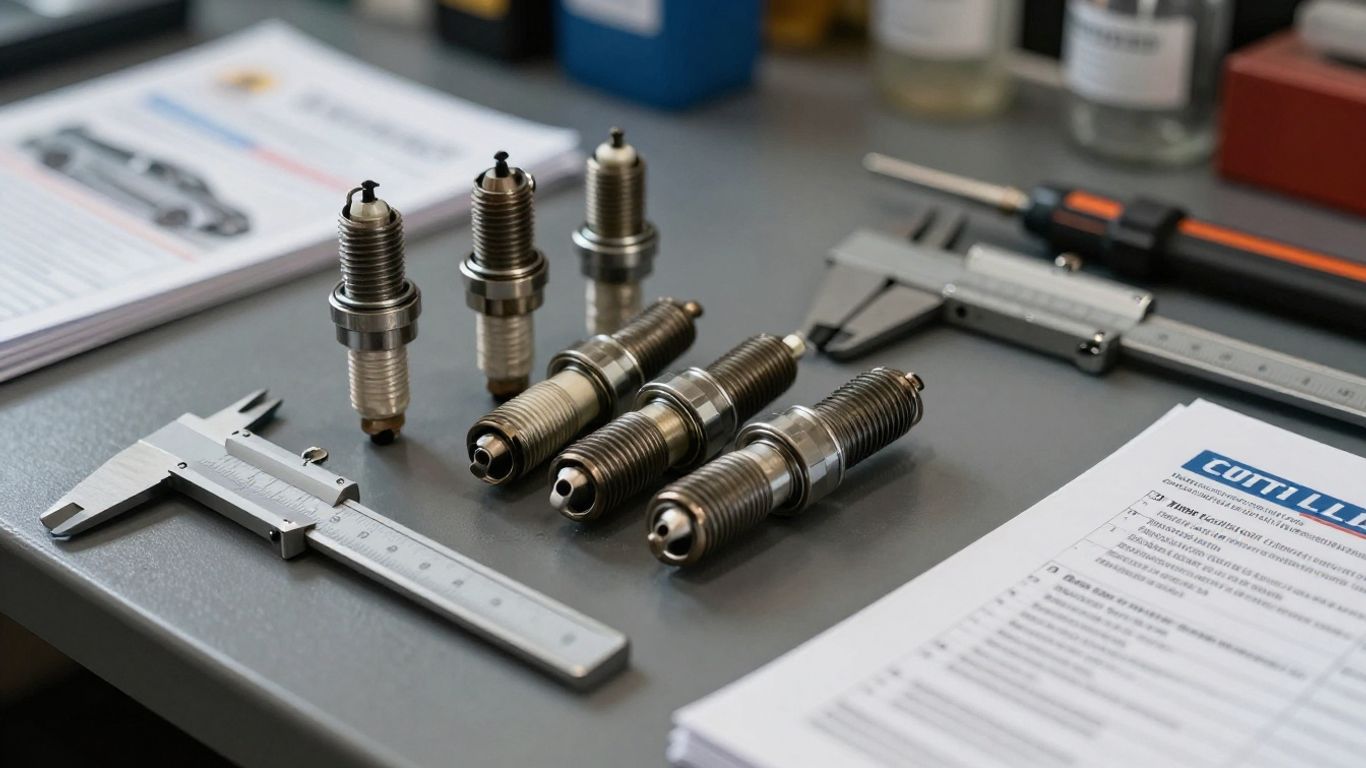
Start with the model year and exact engine type, including displacement and any engine code available. A parts catalogue may separate applications that look similar from the outside. If the information is uncertain, pause before buying rather than relying on a visually matching plug.
Checking the owner’s manual and service information
The owner’s manual is a useful first reference for the recommended plug type and service schedule. Workshop information can add details such as tightening torque, access procedures, and whether a particular engine needs a special installation method. Keep those specifications beside the vehicle while preparing the job.
Matching thread size, heat range, and reach
A plug must match the cylinder head in thread diameter, thread length, seat style, and reach. Heat range also matters because the plug must operate within a suitable temperature window. The wrong reach can interfere with the piston or leave part of the thread exposed to combustion, so this is not an area for guesswork.
Confirming the correct gap specification
The electrode gap affects the voltage needed to produce a spark and must match the engine’s specification. Some new plugs arrive pre-gapped, but that does not mean the gap is correct for every application. Check it with a suitable gauge and adjust only in the manner recommended for that plug design.
Avoiding problems with incorrect fitment
Incorrect fitment can lead to poor combustion, damaged threads, difficult removal, or interference inside the cylinder. Before installation, compare the old and new plugs carefully, including the terminal, insulator shape, seat, reach, and part number. A genuine Volvo spark plug source can be useful when you need to compare an application with the available part details.
Recognizing signs of worn spark plugs
Spark plug wear often appears as a change in how the engine starts, idles, or responds. These symptoms are useful clues, but they are not a diagnosis by themselves. Air leaks, fuel delivery faults, weak coils, sensor problems, and mechanical issues can create similar complaints.
Hard starting and rough idling
A tired plug may need more attempts to ignite the mixture, particularly during cold starts. Once the engine runs, an uneven idle or mild shaking can suggest inconsistent combustion. Note whether the problem changes with temperature, throttle position, or electrical load, since those details help narrow the cause.
Misfires, hesitation, and reduced acceleration
A misfire may feel like a brief stumble, a repeated jerk, or a lack of power when accelerating. Worn electrodes can contribute, but the same sensation can come from an ignition coil, injector, intake leak, or compression problem. Continuing to drive with a severe misfire can put extra stress on the emissions system.
Poor fuel economy and increased emissions
When combustion is incomplete, the engine may use more fuel while producing less useful power. A change in fuel economy is therefore worth recording alongside driving conditions, tyre pressures, and recent maintenance. One tank is not enough to prove a plug fault, but a consistent change supports further inspection.
Warning lights and diagnostic trouble codes
A check-engine light may accompany a misfire, and a scan tool can reveal whether the system has recorded a cylinder-specific or random misfire code. The code identifies a direction for testing, not necessarily the failed component. Inspect the plug, coil, wiring, and related systems before replacing parts indiscriminately.
When symptoms may indicate another issue
Oil on a plug can point toward a seal or engine problem, while fuel-soaked deposits may reflect an ignition or fuelling fault. Coolant traces deserve prompt attention because they may indicate a cooling-system or sealing issue. If symptoms remain after correctly fitting new plugs, the next step should be a broader diagnosis.
How to replace Volvo spark plugs safely
Replacement is a manageable maintenance job on many petrol engines, but access varies considerably. Work on a cool engine, keep dirt out of the plug wells, and use the torque and installation guidance for the specific engine. If access is cramped or the threads feel damaged, stopping early is safer than forcing the job.
Preparing the vehicle and required tools
Park on a level surface, switch off the ignition, and allow the engine to cool fully. Prepare the correct spark-plug socket, extension, ratchet, torque wrench, gap gauge, compressed air or a soft cleaning brush, and the specified replacement plugs. Keep the removed parts in cylinder order if you plan to inspect them.
Removing ignition coils and old plugs
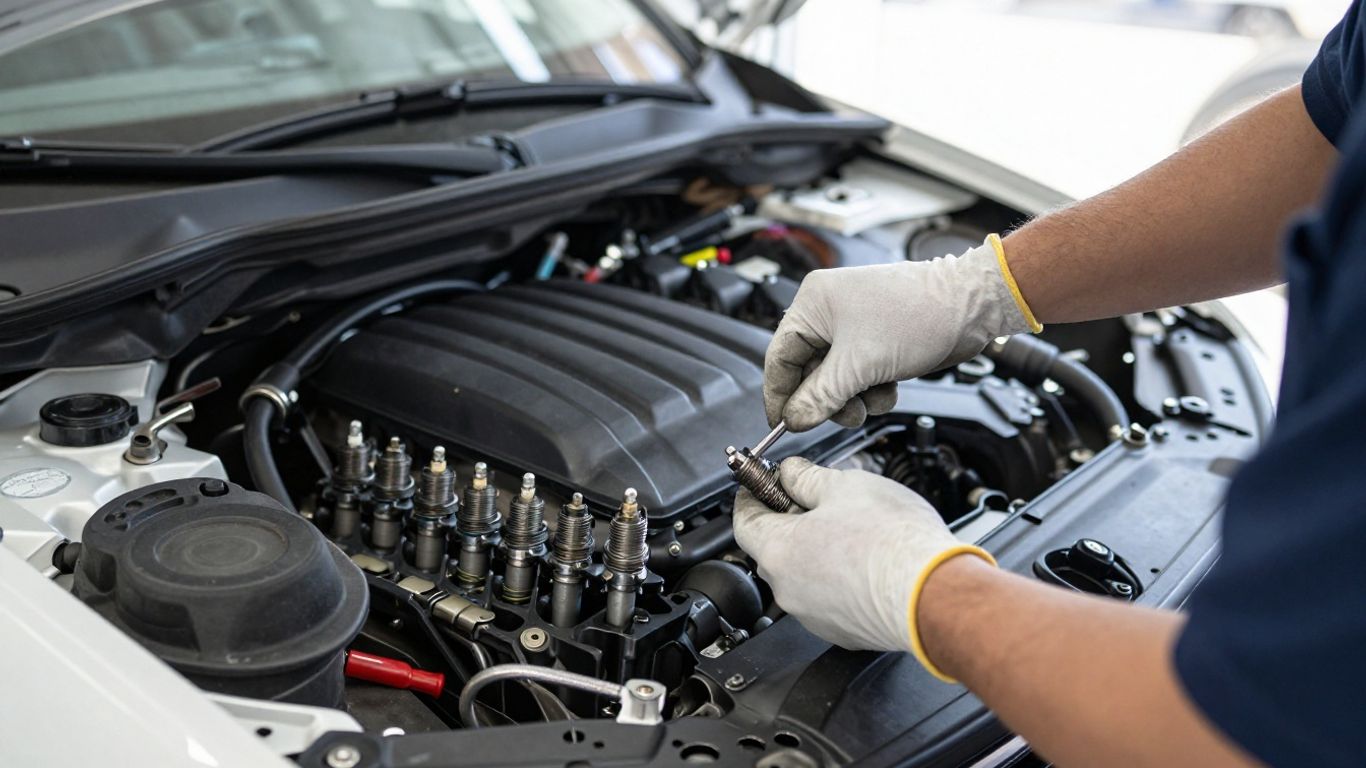
Remove any covers that obstruct access, then disconnect each coil carefully rather than pulling on its wiring. Blow or brush away loose debris before removing a plug so it cannot fall into the cylinder area. Loosen each plug gradually; unusual resistance may indicate cross-threading, corrosion, or a damaged thread.
Inspecting the plug wells and ignition components
Look for oil, coolant, moisture, cracked coil boots, damaged connectors, or carbon tracking. Compare the old plugs for differences between cylinders, since one unusually clean or heavily fouled plug can provide an important clue. The inspection should explain the condition you find, not merely confirm that new plugs are available.
Installing and torquing the new plugs
Check the gap and lower each plug straight into the well with the correct socket. Start the threads by hand and tighten only to the specified torque; forcing a plug with a ratchet can damage the cylinder-head threads. Refit the coils and connectors securely after the plugs are seated.
A clear installation sequence helps prevent missed connections or mixed-up components:
- Confirm the replacement part number and gap.
- Clean the plug well before removal.
- Start every new plug by hand.
- Apply the specified torque with a calibrated wrench.
- Reconnect each coil before starting the engine.
This sequence is simple, but it separates preparation from tightening and gives you a final opportunity to catch a loose connector. Avoid adding compounds to the threads unless the service information specifically calls for them.
Checking the engine after replacement
Start the engine and allow it to settle at idle while listening for an even running rhythm. Check for warning lights, unusual noises, or a coil that has not seated correctly. A short, gentle road test can confirm the original hesitation has improved, but persistent symptoms require further testing rather than repeated plug changes.
Choosing and buying replacement spark plugs
Buying well is less about finding the cheapest box and more about matching a verified specification to the vehicle. A reputable seller should make the application and part details clear. For Australian buyers, TMS Motor Group connects customers with quality used, genuine, and aftermarket car parts through a broad car parts network.
Comparing original-equipment and aftermarket options
Original-equipment parts may follow the vehicle maker’s specified design, while aftermarket parts can be suitable when their application data and specifications match. Compare the actual part number, dimensions, material, and approved application rather than assuming that a familiar brand or similar-looking plug will work.
Evaluating plug materials and expected service life
Platinum and iridium electrodes can offer different wear characteristics from standard designs, but service life depends on the engine, heat, fuel, and maintenance conditions. Follow the interval for the exact application. A longer advertised life does not override the engine maker’s specification or a plug that shows contamination.
Buying from Volvo parts dealers and reputable retailers
A parts dealer or established retailer can help verify the vehicle details before dispatch. TMS Motor Group offers genuine Volvo spark plugs through its parts business, making it a relevant option when the priority is confirming a genuine application. Ask for clarification if a listing does not show the engine variant or complete part information.
Checking packaging, part numbers, and authenticity
Inspect the box, labels, seals, terminal design, and printed part number when the order arrives. Compare those details with the catalogue information and the plug removed from the vehicle, without assuming that identical appearance proves compatibility. Do not install a part with damaged packaging, unclear markings, or unexplained differences.
Balancing price with long-term reliability
The lowest unit price may not be the lowest ownership cost if a plug causes repeat work or introduces a misfire. Consider delivery, warranty support, fitment confidence, and the effort required to access the plugs. A verified set that matches the engine is usually a better purchase than a cheaper set selected only by size.
Maintaining Volvo spark plug performance
Good plug performance depends on the surrounding ignition and engine systems as much as on the plug itself. Regular service records make changes easier to spot and help prevent missed replacement intervals. Maintenance should be guided by the vehicle’s information and by what inspection reveals.
Following the recommended replacement interval
Use the specified interval as a planning point, while allowing for the vehicle’s operating conditions and service history. Frequent short trips, heavy loads, or unusual running conditions may make inspection more valuable. Do not extend replacement indefinitely because the engine still starts normally.
Inspecting plugs during routine servicing
When plugs are removed for scheduled maintenance, examine electrode wear and deposits before discarding them. Record whether all cylinders look similar and photograph unusual findings if needed. Consistent colouring is generally more reassuring than one plug that looks markedly different from the rest, though interpretation depends on the engine.
Addressing oil or coolant contamination
Contamination should be treated as a symptom, not cleaned away and forgotten. Oil may enter through the plug well or combustion chamber, while coolant contamination may accompany a more serious sealing or cooling fault. Resolve the underlying cause before expecting a replacement plug to remain clean.
Keeping ignition coils and wiring in good condition
Coil boots should be dry, intact, and properly seated, and electrical connectors should lock without excessive force. Inspect wiring for chafing, heat damage, or loose terminals during plug service. A new plug cannot compensate for an ignition coil that is weak or a connection that intermittently opens.
Knowing when professional diagnosis is needed
Seek professional help when a plug is seized, a cylinder-head thread is damaged, a warning light flashes, or a misfire remains after correct installation. TMS Motor Group can help customers locate parts, but diagnosis may require testing beyond the parts counter. Prompt assessment is especially sensible when the engine is losing power or running severely unevenly.
Conclusion
The right Volvo spark plugs begin with accurate engine identification and end with careful installation and ongoing inspection. Matching the specification, paying attention to symptoms, and investigating contamination or ignition faults can make routine maintenance more dependable and less wasteful.
Frequently Asked Questions
How often should spark plugs be replaced?
Follow the replacement interval for the exact engine and plug specification. Driving conditions, service history, and contamination can make inspection necessary sooner.
Can worn spark plugs reduce fuel economy?
Yes. A weak or inconsistent spark can cause incomplete combustion, which may reduce efficiency and produce hesitation or rough running.
Should spark plugs be gapped before installation?
Check the gap before installation even when plugs are advertised as pre-gapped. Adjust only with a suitable tool and according to the plug maker’s guidance.
Can I replace spark plugs with a warm engine?
A cool engine is generally safer for the work and reduces the chance of damaging cylinder-head threads. Allow sufficient cooling time before removal.
What does oil on a spark plug mean?
It may indicate oil entering the plug well or combustion chamber. The location and amount of oil matter, so inspect the surrounding seals and engine systems.
Do all misfires mean the spark plugs are worn?
No. Coils, wiring, fuel delivery, air leaks, sensors, and mechanical faults can all produce misfires. Diagnostic testing should accompany plug inspection.
Is a more expensive spark plug always better?
No. The correct specification matters more than price or electrode material. A suitable, verified plug is preferable to an expensive part that does not match the engine.