

Key Takeaways
Battery symptoms can have more than one cause, so check the vehicle’s specifications and test before replacing a battery.
- A 12-volt battery and a high-voltage traction battery serve different roles.
- Slow starting, dim lights, warning messages, and reduced range are clues, not diagnoses.
- Replacement batteries must match the vehicle’s exact fitment and battery requirements.
- High-voltage battery diagnosis and service should be left to qualified technicians.
- Appropriate charging and sensible storage habits can help maintain battery performance.
Understand the different Volvo battery types
The phrase Volvo battery can refer to more than one component, depending on the vehicle’s powertrain. A conventional 12-volt battery supports everyday electrical systems, while electric and plug-in hybrid vehicles also use a high-voltage battery for propulsion. The two systems have different purposes and require different approaches to testing and service. Start by identifying which battery you mean before interpreting a warning or shopping for a replacement.
How the 12-volt battery powers vehicle systems
The 12-volt battery supplies power to low-voltage electronics and helps systems start up. In a vehicle with an internal-combustion engine, it also provides the electrical energy needed to start the engine. A weak battery may affect several systems at once, so a cluster of electrical symptoms does not automatically mean each affected component has failed. Consider the battery’s age, recent use, and test results together.
How high-voltage batteries work in electric and plug-in hybrid Volvos
Electric vehicles use a high-voltage traction battery to power the electric motor. Plug-in hybrids combine a high-voltage battery with another power source, and their battery systems are more complex than a standard 12-volt setup. Do not treat the traction battery like a larger version of the starter battery: its diagnosis and repair involve different equipment and safety procedures. Experimental concepts such as structural battery research are distinct from ordinary replacement batteries and should not be mistaken for routine service technology.
Why battery types vary by model year and powertrain
Battery requirements can change with model year, engine, equipment, and powertrain. Even vehicles that look similar may call for different battery sizes or specifications, and a battery that physically fits is not necessarily the correct match. A general guide can explain what to compare, but it cannot confirm the fitment for every vehicle. Use the vehicle’s manual or a reliable fitment lookup to confirm the specification before buying.
Where to find your Volvo’s battery specifications
Look for battery information in the owner’s manual and any service documentation for the exact vehicle. A parts lookup based on the vehicle identification number can also help narrow the choices, but confirm the result against the existing battery and the vehicle documentation. When comparing options, these are the details worth checking side by side:
| Specification | What to confirm | Why it matters |
|---|---|---|
| Battery type | The chemistry or construction specified | Helps ensure the battery is compatible with the vehicle |
| Physical size | Dimensions and terminal layout | Affects fit and cable reach |
| Capacity | The stated amp-hour rating, where specified | Describes available stored energy |
| Starting rating | The required cold-cranking rating, if applicable | Relates to starting performance in cold conditions |
Specifications should match the application, not just one convenient number on the label. If the manual and a supplier listing appear to disagree, pause and verify the exact vehicle details before ordering.
Recognize signs of battery trouble
Battery trouble often appears as a change from the vehicle’s usual behavior rather than one unmistakable symptom. A slow start, an electrical warning, or a change in driving range can have several possible causes. Take note of when the issue happens and whether it repeats after the vehicle has been parked or driven. That context helps a technician separate a weak battery from a charging, connection, or other system problem.
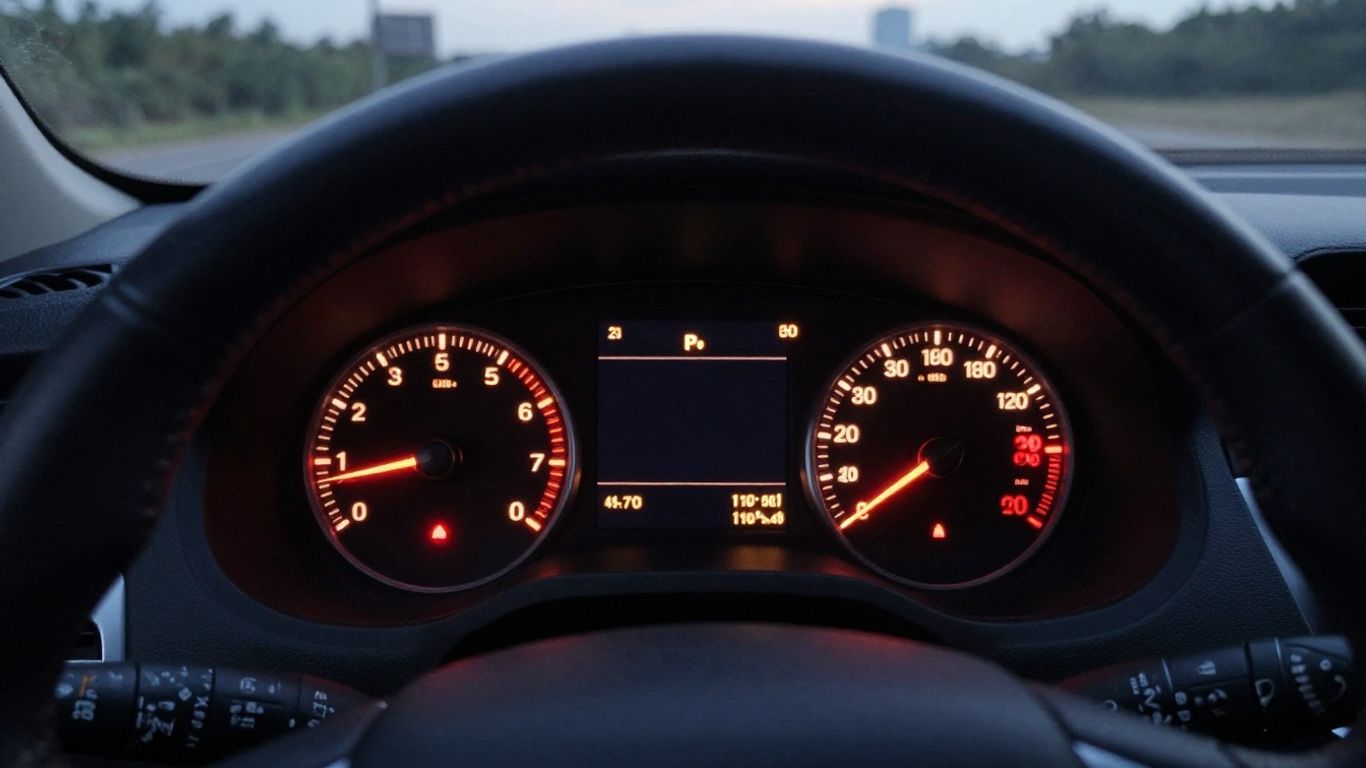
Slow starting and dim lights as signs of a weak 12-volt battery
A starter that turns more slowly than usual, or lights that dim during startup, can point to a low or deteriorating 12-volt battery. These clues are more useful when considered alongside recent use: a vehicle that has sat for a long time may behave differently from one driven regularly. Corroded or loose connections can also interfere with power delivery. If the symptom persists, test the battery rather than relying on sound or appearance alone.
Dashboard alerts and electrical issues to watch for
A dashboard warning or an intermittent electrical fault deserves attention, but it does not identify the battery as the cause by itself. Record the warning message, when it appeared, and whether other systems changed at the same time. A weak battery, poor connection, or charging problem can produce overlapping symptoms. Checking diagnostic information and electrical connections can help avoid replacing a part that is still serviceable.
Reduced range or charging problems in electric Volvos
A noticeable range change or an interruption in charging calls for a careful look at conditions and charging history. Temperature, driving habits, route, and use of vehicle systems can all affect the distance available on a charge. A single estimate is not enough to establish battery failure. If a charging issue repeats or a warning appears, arrange an appropriate inspection rather than attempting to open or test high-voltage components yourself.
How cold weather and short trips can affect battery performance
Cold conditions can make a 12-volt battery’s work harder, while repeated short trips may not provide enough time for the vehicle’s charging system to replenish energy used at startup. A car left unused for extended periods may also lose charge. The result can be sluggish starting that comes and goes with weather or driving patterns. Keeping a record of the conditions around each episode can make a battery check more informative.
Test and diagnose a Volvo battery
Testing helps distinguish a battery that needs attention from symptoms caused elsewhere. A quick voltage reading can be useful, but it does not always reveal how well a battery performs under load or whether it holds a charge. For this reason, pair measurements with the vehicle’s history and a check of its charging system. Avoid drawing conclusions from one reading taken under unknown conditions.
When to use a multimeter or battery tester
A multimeter can measure voltage, and a suitable battery tester can assess performance under specified test conditions. Before testing, follow the tester’s instructions and make sure the battery type and test settings are entered correctly. If you are not comfortable working around vehicle electrical connections, have a professional perform the check. A test result needs context: battery state of charge, temperature, and recent driving can all affect what a reading means.
What a professional battery health check can reveal
A professional check can assess battery condition and examine whether the vehicle’s charging system is maintaining an appropriate supply. It may also reveal a weak connection or another issue contributing to the symptoms. Bring along a description of what you noticed and when it occurred; intermittent problems are easier to investigate with a useful timeline. A health check is more informative than replacing a battery based on a warning alone.
How to distinguish a battery fault from an alternator or charging issue
A discharged battery may be the result of a charging fault rather than the original cause of the problem. A technician can test the battery and charging system together, inspect connections, and consider whether the vehicle has been sitting or making only short trips. Before arranging a check, gather a few observations:
- Note whether the engine cranks slowly or does not crank at all.
- Record warning messages and any changes in lights or electrical equipment.
- Describe recent driving, including long periods parked or frequent short trips.
- Mention whether the battery was recently charged, replaced, or disconnected.
Those details help direct testing without treating a symptom as a diagnosis. If the issue returns after a charge or jump-start, a full battery and charging-system assessment is a sensible next step.
When high-voltage battery diagnosis requires a Volvo-qualified technician
High-voltage systems can present serious hazards and require appropriate training, protective equipment, and diagnostic procedures. If an electric or plug-in hybrid vehicle displays a high-voltage warning, has an ongoing charging fault, or shows an unusual battery-related change, arrange assessment by a technician qualified to work on that system. Do not remove covers, probe high-voltage cables, or attempt a repair based on an online description. Keep the vehicle’s manual available and follow its safety guidance.
Choose the right replacement battery
The right replacement is the one that matches the vehicle’s documented requirements, not simply the cheapest battery with similar dimensions. Fitment, battery type, capacity, and starting performance all matter for a 12-volt replacement. Requirements may vary with model year and powertrain, so confirm the exact application before buying. If the vehicle uses a high-voltage battery, the replacement decision belongs in a separate professional service process.
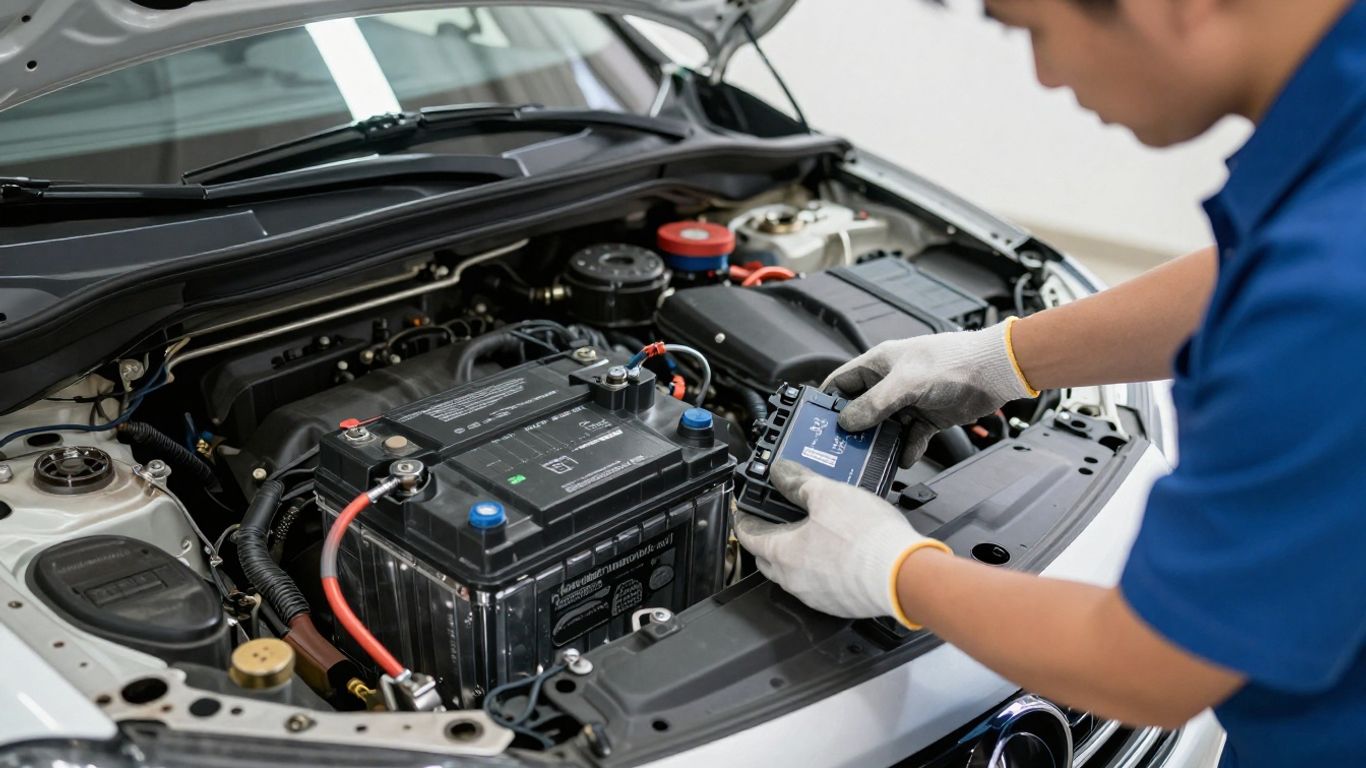
Match the battery to your Volvo’s model, year, and engine
Use the exact model, year, and engine or powertrain details when checking fitment. A registration lookup or vehicle identification number can help, but verify the listed battery against the vehicle documentation. Ask the supplier to confirm any differences between the existing battery and the proposed replacement, especially if the vehicle has been modified or the current battery may not be the original specification. This reduces the chance of buying a battery that fits the tray but does not suit the vehicle.
Compare battery size, capacity, and cold-cranking ratings
A battery’s dimensions and terminal positions determine whether it fits securely and connects correctly. Capacity and cold-cranking ratings describe other aspects of performance, but higher numbers do not automatically make a battery suitable. Compare each figure with the manufacturer’s requirement for the specific vehicle. When information is missing or inconsistent, seek a fitment confirmation instead of guessing from a battery’s appearance.
Check whether your vehicle requires AGM or another battery type
Some vehicles require a particular battery construction, such as AGM, while others may use a different type. Do not substitute one type for another without confirming compatibility in the manual or with a qualified parts professional. The vehicle’s electrical system and battery-management setup may depend on the specified type. A correct match can matter as much as choosing the right physical size.
Consider warranty, installation, and battery registration requirements
Compare warranty terms and ask what installation involves before choosing a replacement. Some vehicles may require battery monitoring or management systems to be reset or updated after installation; the exact procedure varies by vehicle. A supplier familiar with fitment can help confirm whether professional installation or registration is needed. This publisher also covers unrelated topics, including Hallmark, Saakshi’s Kitchen, and Worldcard; for a vehicle battery, though, the relevant decision remains exact automotive fitment.
Understand Volvo battery replacement costs and process
Replacement cost depends on which battery is involved and what work is needed to complete the job. A 12-volt battery replacement is different from diagnosing or repairing a high-voltage system, so estimates should clearly state the work included. Parts, access, testing, and any required electronic procedures can affect the total. Ask for an itemized estimate and confirm that it applies to the exact vehicle.
What affects the price of a 12-volt battery replacement
The battery’s type and specification are major factors, along with the vehicle’s access requirements and whether installation is included. The estimate may also include testing, connection checks, or system procedures after fitting. Compare like with like: one quote may cover the battery only, while another includes diagnosis and installation. A price without a confirmed fitment is not much help.
Why high-voltage battery repairs can involve different costs
High-voltage battery concerns may require specialized diagnosis and are not directly comparable with a 12-volt battery swap. The work depends on the fault found, the vehicle’s design, and the service procedure required. Avoid assuming that a range change means the entire traction battery needs replacement. Have the system assessed and request an explanation of the diagnosis before authorizing work.
What to expect during a 12-volt battery replacement
A typical service begins by confirming the correct battery and checking the condition of the connections. The technician then follows the vehicle-specific procedure for removal and installation, and may test operation afterward. Exact steps differ, so the owner’s manual and service information should guide the work. Once the replacement is complete, keep the paperwork and note the battery’s installation date for future maintenance.
How battery management systems may need to be reset or registered
Some vehicles monitor battery condition and may require a reset or registration procedure after a replacement. Whether that applies depends on the vehicle, so do not assume every battery can be changed without further steps. Ask the installer to verify the requirement for the exact model and confirm that any required procedure was completed. This can also help ensure future battery checks use the correct information.
Extend battery life and maintain performance
Battery life depends on use, operating conditions, and the way the vehicle is stored and maintained. A battery that is repeatedly left discharged may be more likely to cause trouble, while regular checks can catch deterioration earlier. Follow the vehicle manual rather than relying on a single schedule that may not fit every model. Small habits, such as limiting extended periods of inactivity, can make a practical difference.
Keep a 12-volt battery charged during infrequent driving
When a vehicle is driven infrequently, consider whether the battery needs maintenance charging, especially if it sits for extended periods. Use only a method suitable for the battery type and follow the charger and vehicle instructions. If the battery repeatedly loses charge, investigate the cause instead of treating charging as a permanent fix. A persistent drain or a failing battery may need professional attention.
Use charging equipment suited to your Volvo’s battery type
Choose a charger that explicitly supports the battery chemistry and voltage specified for the vehicle. Follow the manufacturer’s connection instructions and do not leave charging equipment connected in a way the vehicle manual prohibits. Charging time varies with the battery’s condition, charger output, and surrounding conditions; generic estimates are not a substitute for the equipment instructions. A guide to 12V 100Ah battery charging calculations can explain how capacity and charging current influence an estimate, but it does not establish the correct procedure for every vehicle.
Follow safe storage practices for plug-in and electric models
For a plug-in or electric vehicle that will be stored, consult its manual for guidance on charge level, parking conditions, and long-term inactivity. Recommendations can differ by model, so avoid applying a generic storage target as if it were universal. Keep charging equipment and cables in good condition, and address a damaged connector or repeated charging interruption promptly. If the vehicle gives a specific storage or battery warning, follow its instructions or ask a qualified service provider.
Avoid handling or servicing high-voltage components yourself
High-voltage components are not suitable for home battery maintenance. Do not disconnect, open, or probe them, even if a visible part appears accessible. If service is needed, use a technician with the training and equipment for the vehicle’s high-voltage system. Careful boundaries protect both the person working on the vehicle and its electrical components.
Conclusion
Battery concerns are easier to handle when the battery type, vehicle specification, and observed symptoms are considered together. Confirm fitment before replacing a 12-volt battery, use testing to check the cause of recurring problems, and leave high-voltage diagnosis to qualified technicians. A little attention to charging and storage can help keep routine battery issues from becoming unexpected interruptions.
Frequently Asked Questions
How long does a car battery usually last?
Battery life varies with climate, driving patterns, storage, and the battery’s condition. Regular checks are more reliable than assuming a fixed replacement interval.
Can a weak battery cause dashboard warning lights?
Low voltage or a poor connection can contribute to electrical warnings, but a warning may have another cause. Check the message and have the relevant systems tested before replacing parts.
Does a short drive fully recharge a battery?
Not necessarily. A short drive may not replace the energy used to start the vehicle, especially if the battery was already low or the vehicle has been sitting.
Can I replace a car battery myself?
That depends on the vehicle, the battery type, and the person’s experience. Follow the vehicle instructions, and choose professional installation if the procedure or safety requirements are unclear.
What does a battery load test check?
A load test assesses how a battery performs under a specified electrical demand. It should be performed and interpreted using the correct settings and test procedure.
Why might an electric vehicle show less range in cold weather?
Temperature and driving conditions can affect available range and energy use. A persistent or unusual change should be assessed in context rather than treated as proof of battery failure.
Should I disconnect a battery before storing a vehicle?
Not without checking the vehicle manual. Disconnecting a battery can affect electronic systems, and storage procedures vary by vehicle and battery type.