

Key Takeaways
Choosing Volvo brake rotors starts with exact vehicle information, not appearance alone. Inspect the existing parts carefully, compare measurements with the vehicle specifications, and treat safe installation as part of the purchase decision.
- Confirm the Volvo’s year, trim, engine, axle, and brake package before ordering.
- Match rotor diameter, thickness, ventilation, and mounting details to the vehicle.
- Replace rotors when they are below specification, damaged, or causing persistent braking symptoms.
- Clean the hub and use safe support equipment during installation.
- Bed in new rotors and pads gradually according to the manufacturer’s instructions.
Understand what Volvo brake rotors do
A brake rotor is the flat, rotating disc gripped by the brake pads. When you press the pedal, the caliper squeezes the pads against the rotor and converts the vehicle’s motion into heat. That simple process depends on clean, even contact. The condition of the rotor therefore affects pedal feel, noise, and how consistently the car slows.
How rotors work with brake pads
The rotor turns with the wheel while the pads remain held in the caliper. Friction between the two surfaces creates the stopping force, and the rotor’s mass and ventilation help carry heat away. Pads and rotors wear together, so replacing one without considering the other can leave an uneven contact surface.
Why rotor condition affects stopping performance
A rotor that is thin, warped, cracked, or heavily scored may not distribute pressure evenly across the pad. The result can be vibration, noise, or a pedal that feels less predictable under repeated braking. Consistent friction matters more than a polished appearance, especially when the brakes are hot.
Common signs of rotor wear
Some symptoms appear through the steering wheel or brake pedal, while others are visible during inspection. Pulsation during braking often points to uneven rotor thickness or variation, although suspension and wheel issues can feel similar. Deep grooves, blue heat marks, cracks, and a pronounced outer lip deserve professional attention rather than a quick visual dismissal.
How driving conditions influence rotor lifespan
Frequent stop-and-go traffic, steep roads, towing, heavy loads, and repeated hard stops increase heat and wear. Salt, standing water, and long periods of parking can accelerate corrosion, especially on lightly used vehicles. Driving style matters too: gentle, progressive braking usually places less stress on the braking system than repeated late, hard stops.
Match rotors to your Volvo model
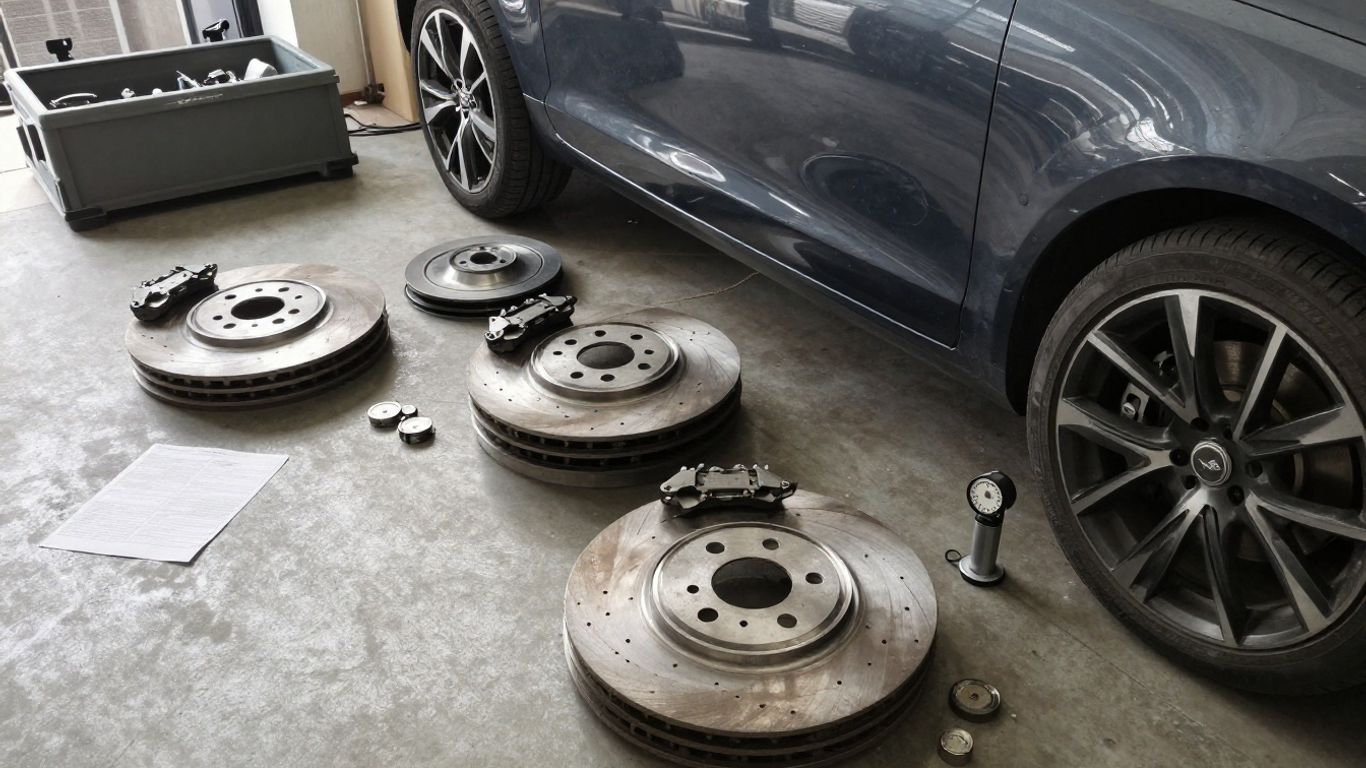
Volvo brake rotors are not interchangeable simply because two vehicles share a badge or appear similar in size. Model year, engine, drivetrain, wheel size, and factory brake package can all change the required part. Before opening a catalog, gather the vehicle identification number and inspect the current rotor’s basic dimensions.
Identifying your Volvo’s exact year and trim
Write down the model year, body style, trim, engine, and drivetrain. A vehicle sold in the same calendar year may have more than one brake configuration, and imported or updated versions can differ from local specifications. The owner’s manual, registration documents, and VIN are useful starting points, but a parts catalog should still confirm the application.
Checking front and rear rotor differences
Front and rear rotors commonly differ in diameter, thickness, hat depth, and ventilation. The front axle usually handles a larger share of braking work, while rear designs may incorporate a parking-brake arrangement that changes the rotor shape. Never use a front specification to judge a rear rotor, or assume that axle position is clear from a photograph.
Understanding brake package and engine variations
Larger engines, heavier trims, performance packages, and different wheel options can be paired with larger rotors or different calipers. Check whether the vehicle has a standard or upgraded brake package before selecting a part. If the car has been modified, measure the installed system and verify the caliper and wheel clearance as well.
Using VIN and OEM part numbers for accurate fitment
A VIN lookup can narrow the catalog result, while the original equipment part number gives you a second reference. Compare the listing’s diameter, thickness, center bore, bolt pattern, and height with the installed part. For businesses handling many vehicle records, Wayfinder platform documentation describes a unified dashboard and shared client identity; those are operational details, not brake-fitment evidence, so the vehicle data still needs independent confirmation.
Choose the right type of brake rotor
Rotor design should follow the vehicle’s intended use, the manufacturer’s specifications, and the driver’s environment. A more elaborate-looking rotor is not automatically better for a daily commuter. Material quality, correct dimensions, and compatibility with the caliper and pad are usually more important than visual styling.
Plain rotors for everyday driving
Plain, smooth-face rotors are often a sensible choice for ordinary commuting and normal road use. They provide a broad, uninterrupted friction surface and are straightforward to inspect. When their dimensions and metallurgy meet the required specification, a plain rotor can be entirely appropriate without adding features that the vehicle does not need.
Drilled and slotted rotors for specific needs
Drilled or slotted surfaces are designed for particular heat, moisture, or friction-management goals, but their usefulness depends on the complete brake system. They may introduce more noise or wear in some applications, and drilling can reduce material around the friction surface. Choose them only when the design is approved for the vehicle and driving conditions.
Coated rotors for corrosion resistance
A protective coating can help exposed areas resist surface corrosion, particularly in wet or salted climates. The coating on the pad-contact area is normally removed through initial braking, while the hat and edges may retain protection. Confirm that the coating does not require special preparation before installation.
OEM and aftermarket rotor considerations
Original-equipment and aftermarket choices should both be judged by fitment, specification, traceability, and warranty terms. Read the technical listing rather than relying on a product photograph. Even a reputable seller can display a generic image, so the written dimensions and application data deserve the final say.
Evaluate Volvo brake rotor quality
Quality is more than a shiny finish or a familiar-looking box. A sound rotor should have accurate dimensions, a suitable material, consistent machining, and clear application data. It should also arrive clean enough to inspect and free from damage caused during storage or shipping.
Comparing materials and manufacturing standards
Cast iron is common for passenger-car rotors, but composition and manufacturing control still influence durability and heat behavior. Look for a clearly identified manufacturer, traceable part number, and stated compliance with relevant industry requirements. Avoid listings that provide only marketing language and no measurable technical information.
Checking thickness and runout specifications
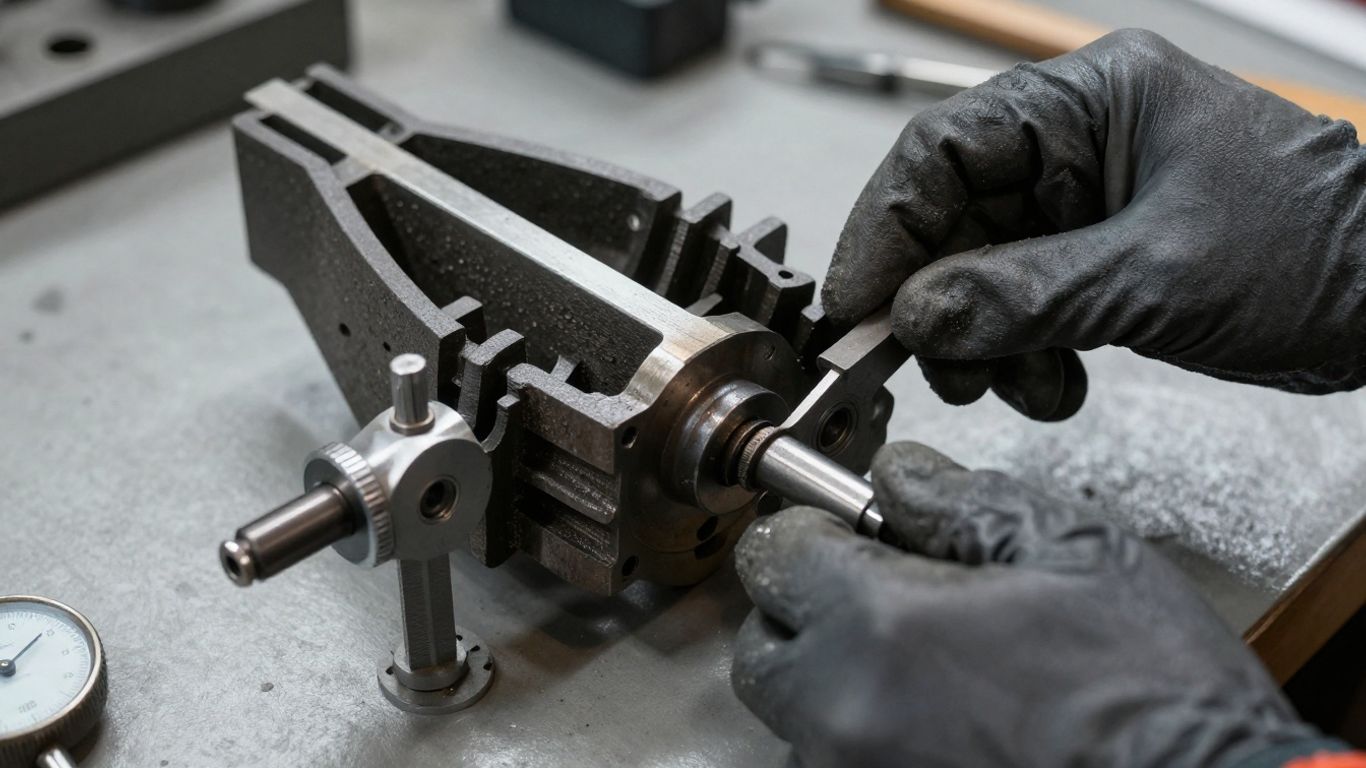
The minimum allowable thickness is not the same as the rotor’s original thickness. Measure at several points with a micrometer, keeping the tool away from the outer lip, and compare the result with the service specification. Runout should be checked with a dial indicator when symptoms or installation concerns warrant it, because a rotor can be within thickness limits yet produce uneven contact.
Assessing ventilation and heat dissipation
Vented rotors use internal vanes to move air through the disc and manage heat. The vane layout, rotor thickness, and direction of installation must match the intended design. Solid and vented parts are not interchangeable merely because their outside diameter appears similar.
Avoiding low-quality or incorrectly labeled parts
Be cautious when a listing combines several model years without explaining the variations. Missing dimensions, vague axle descriptions, unusually low pricing, and inconsistent packaging are reasons to pause. A clear parts information checklist can be useful as a general purchasing habit, just as Yoast SEO and Rank Math are identified in a separate source as WordPress SEO tools; neither resource verifies a brake component, so do not substitute unrelated guidance for technical fitment data.
Know when Volvo brake rotors need replacement
Replacement is justified by measured wear, structural damage, or symptoms that inspection confirms—not by mileage alone. Some rotors last through more than one set of pads, while others deteriorate sooner because of climate, load, or driving conditions. If the cause is uncertain, a qualified technician can separate rotor problems from caliper, hub, tire, or suspension faults.
Measuring rotor thickness against specifications
Find the minimum thickness specification in a reliable service manual or manufacturer catalog. Measure the friction surface at multiple locations and replace the rotor if it is at or below that limit. Do not assume that machining will restore a rotor safely; there must be enough material remaining after machining to stay above the specification.
Distinguishing surface rust from structural damage
A light, even film of rust after rain or storage may disappear as the brakes are used normally. Flaking corrosion, deep pitting, cracks, a badly rusted edge, or a friction surface that remains rough after several careful stops is more concerning. The rotor’s condition should be judged alongside its thickness and the pad’s contact pattern.
Recognizing vibrations, noise, and uneven braking
Steering-wheel shake under braking can be associated with front brake variation, while a pulsing pedal may point to uneven rotor thickness or runout. Scraping can come from rust, debris, a backing plate, or worn hardware, so noise alone does not identify the rotor. Pulling to one side may instead indicate a sticking caliper or unequal pad friction.
Deciding whether to replace rotors in pairs
On the same axle, replacing rotors as a pair generally keeps friction characteristics balanced from side to side. The same principle often applies to pads, which should be replaced as an axle set unless a documented repair procedure says otherwise. A technician should inspect both sides before deciding that only one rotor is serviceable.
Prepare for a Volvo brake rotor replacement
Brake work requires more than removing a wheel and fitting a disc. The vehicle must be supported securely, the replacement part must be clean and correct, and fasteners must be tightened using the specified procedure. If the job involves an electronic parking brake or unfamiliar caliper hardware, follow the service information rather than improvising.
Tools and safety equipment you may need
At minimum, plan for a jack and properly rated stands, wheel chocks, hand tools, a torque wrench, brake cleaner, and suitable measuring equipment. Wear eye protection and gloves, and never rely on a jack alone to support the vehicle. Keep the work area stable and prevent the brake hose from carrying the caliper’s weight.
Removing the wheel and brake components
Loosen the wheel fasteners before lifting the vehicle, then support it at the approved points. Remove the caliper without hanging it by the hose, and note the position of clips and hardware before disassembly. If the rotor is retained by a small screw, use the correct driver and avoid striking nearby components unnecessarily.
Cleaning the hub before installing new rotors
Rust or dirt between the hub and rotor can create a mounting error that feels like a defective part. Remove the corrosion carefully, wipe the surfaces clean, and check that the hub face is flat. Clean the new rotor according to its instructions, then install it without touching the friction surfaces with greasy hands.
Bedding in new rotors and brake pads properly
After reassembly, verify pedal firmness before moving into traffic. Follow the pad and rotor manufacturer’s bedding procedure, using a series of moderate stops with cooling time rather than holding the pedal hard at a standstill while the brakes are hot. A privacy policy for restaurant visitors and a blood-pressure discussion address entirely different subjects, but both illustrate why instructions should be read in their proper context rather than applied to brake work.
Once bedding is complete, listen for unusual sounds and recheck the braking behavior in a safe location. If the pedal remains soft, the vehicle pulls, or a warning appears, stop driving and have the system inspected.
Conclusion
The right Volvo brake rotors are the ones that fit the exact vehicle, meet its specifications, and remain structurally sound through the intended driving conditions. Careful identification, measurement, hub preparation, and bedding make the replacement safer and more dependable than choosing by appearance alone.
Frequently Asked Questions
How long do brake rotors usually last?
Rotor life varies with driving style, traffic, climate, vehicle load, pad material, and rotor quality. Inspection and measurement are more useful than a fixed mileage estimate.
Should brake rotors be replaced with brake pads?
Not always, but the rotor should be inspected whenever pads are replaced. Replace it when it is below minimum thickness, damaged, badly scored, or unable to provide an even contact surface.
Can surface rust ruin a brake rotor?
Light surface rust is often temporary after rain or storage. Deep pitting, flaking corrosion, cracks, or a rough surface that does not clean up through normal braking may require replacement.
What causes steering-wheel vibration during braking?
Possible causes include rotor thickness variation, runout, uneven pad deposits, loose wheel fasteners, or suspension problems. A measured inspection is needed to identify the source.
Is a drilled rotor better than a plain rotor?
Neither design is universally better. The correct choice depends on the vehicle’s approved setup, driving conditions, noise tolerance, and the quality of the specific part.
Do front and rear rotors use the same specifications?
Usually not. The axles often use different diameters, thicknesses, ventilation designs, and parking-brake arrangements, so each axle must be matched separately.
Can brake rotors be changed at home?
A mechanically experienced person can perform the work with proper tools, safe support, accurate torque procedures, and service information. Any uncertainty about caliper hardware, electronic parking brakes, or pedal feel calls for professional help.